Profil


Traininguri / Cursuri
Caută

Wojciech
IT Specialist / Process Automation

Failing your VCA exam can disrupt your career plans, especially if you need the certificate to start working in the Netherlands. However, an unsuccessful result does not mean you have to repeat the entire training course or give up your planned employment. You can book a retake, improve your knowledge and sit the exam again.
The VCA exam assesses your knowledge of occupational health and safety regulations applicable to industrial, construction and technical workplaces. Many Dutch employers require VCA certification, particularly companies operating under VCA standards.
If you do not achieve the required score, you will not receive a diploma. Simply completing a preparatory course is not enough to obtain VCA certification. You must pass the official examination.
If you fail, you can take the exam again. You do not automatically have to repeat the entire training course, as completing a course is not a formal requirement for taking the standard VCA exam.
You therefore have two options:
The best option depends on your knowledge, the type of exam and how quickly you need your certificate.
One of the most common questions after failing concerns the number of permitted retakes. For standard B-VCA and VOL-VCA examinations, there is no general limit of two or three attempts.
This means that if you fail your first exam, you can register for another available date. If your second attempt is also unsuccessful, you can still take the test again.
However, each attempt is treated as a separate examination and requires registration and payment. You should also consider the examination centre’s procedures and the availability of exam dates.
There is little point in booking another attempt without first understanding why you failed. If the problem was insufficient knowledge of occupational health and safety principles, simply taking the test again may not be enough.
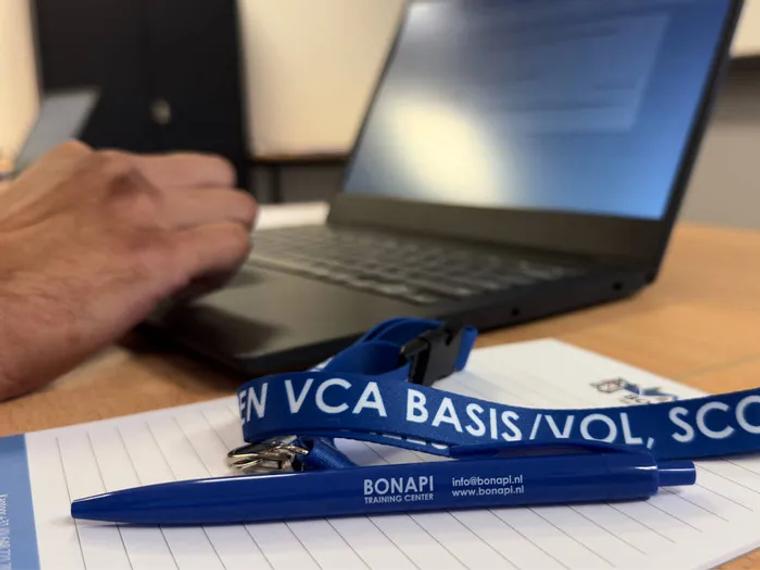
The cost of retaking a VCA exam depends on the examination centre, the certification level and any additional services you choose. There is no single legally prescribed retake fee applicable to all training centres in the Netherlands.
For example, according to Bonapi’s published price list in the Netherlands, the standalone Basic VCA exam costs €89, while the VOL-VCA exam costs €99. These are standard examination prices, so you should check the current conditions and total cost before booking a retake.
Several factors can affect the price:
Some training packages may offer preferential rates for retakes. However, this is not a universal policy followed by all training providers.
No. If you fail your VCA exam, you are not required to attend the entire preparatory course again.
You can register directly for a retake, even if you completed your previous training at a different training centre. The important thing is to choose an examination organised by an authorised examination body.
However, repeating the training may be a sensible option if:
If you missed the passing score by only a few points, reviewing the material independently and completing several practice tests may be sufficient.
However, if most of the topics were unfamiliar, consider taking an instructor-led course. This will allow you to clarify anything you do not understand rather than simply memorising answers.
A VCA retake follows the same rules as the standard examination for your chosen certification level. It is not a shorter test containing only the questions you answered incorrectly during your previous attempt.
You must take the full examination again. The topics covered and the required passing score remain consistent with the current examination regulations.
Basic VCA, also known as B-VCA, is primarily intended for employees performing operational tasks. This includes people working in construction, manufacturing, installation and industrial maintenance.
The exam consists of 40 questions and lasts 60 minutes. From 1 September 2026, candidates must achieve at least 64.5% of the available points to pass. Results are calculated using a points system rather than simply counting correct answers, as some questions allow candidates to earn partial credit.
The questions cover topics such as hazard identification, protective measures, working with tools, hazardous substances and emergency procedures.
VOL-VCA is intended for people with operational supervisory responsibilities, including foremen and team leaders, as well as business owners whose clients require this level of certification.
The examination also covers responsibility for organising safe working conditions, providing instructions and managing workplace hazards.
New VCA examination requirements (ETT 3.0) came into effect on 1 January 2026. From 1 August 2026, the new format also applies to examinations conducted in other languages. The VOL-VCA exam now contains 60 questions instead of 70.
Failing the exam does not necessarily mean you have no knowledge of workplace safety. The problem often lies in how you prepared, how you interpreted the questions or how well you can apply safety principles in practice.
The VCA exam does not simply test your knowledge of definitions. Questions may describe specific workplace situations in which you must identify a hazard and choose the appropriate course of action.
For example, you might encounter a question about working at height, using a damaged power tool or handling a hazardous substance.
Simply remembering that protective equipment must be used is not enough. You need to understand which protective measures are appropriate and when work should be stopped.
You can find many free sets of VCA questions online, but not all of them reflect the current examination requirements.
This is particularly important because of the changes introduced to the VCA examination system in 2026. Older materials may still be useful for learning basic occupational health and safety principles, but they do not always reflect the current examination content and format.
You can take a practice test here: bonapi.nl/pl/testy-probne/kategoria/vca/
People working in the Netherlands sometimes choose to take the exam in English or Dutch, even though their knowledge of specialised terminology is insufficient.
This can lead to misunderstandings, particularly in questions concerning risk assessment, employee responsibilities or the correct sequence of actions during an emergency.
If you find it easiest to learn in Polish, Bonapi offers the option of taking the VCA exam in Polish.
Computer-based examinations require concentration. People who have never taken this type of test before may spend too much time on individual questions.
Completing a full practice exam under timed conditions can help. This allows you to become familiar with the pressure of the examination and check whether you can calmly analyse all the answer options.
The most effective way to prepare for a retake is to combine a review of the theory with exercises based on real workplace situations.
Instead of reading the entire textbook again from the beginning, focus on the areas you find most challenging.
Check whether you can obtain information about your examination result and the areas where you need to improve. The level of detail available depends on the examination provider and its regulations.
If you cannot access a detailed breakdown of your mistakes, complete a diagnostic test to identify the topics you need to review.
Focus on the subjects regularly covered in VCA training programmes:
When studying, try to connect individual safety principles with situations you actually encounter at work.
Practice tests help you assess your knowledge, identify recurring mistakes and become familiar with the examination format.
You can use the free VCA practice tests available from Bonapi. Remember that these are preparation materials and do not guarantee that identical questions will appear in the official examination.
After each practice test, return to the questions you answered incorrectly. Find out why the correct answer is appropriate and identify the hazard involved in the situation described.
This approach helps you answer unfamiliar questions, even when they are worded differently from those in your practice materials.
You do not need to wait several weeks if you are already well prepared. However, there is little point in taking another exam without addressing the reasons you failed the first time.
Ideally, you should pass several practice tests before booking your retake, achieving scores comfortably above the minimum passing threshold.
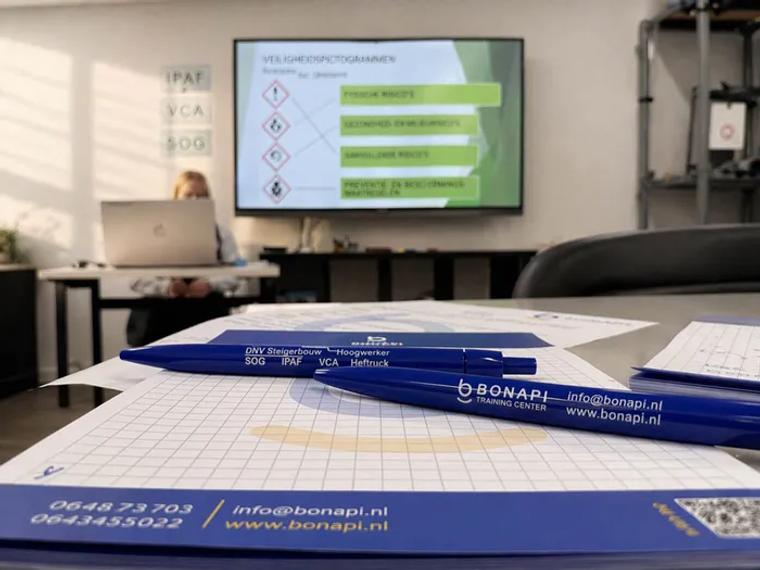
Not having a VCA certificate may make it difficult to start working in a position where your employer or client requires one.
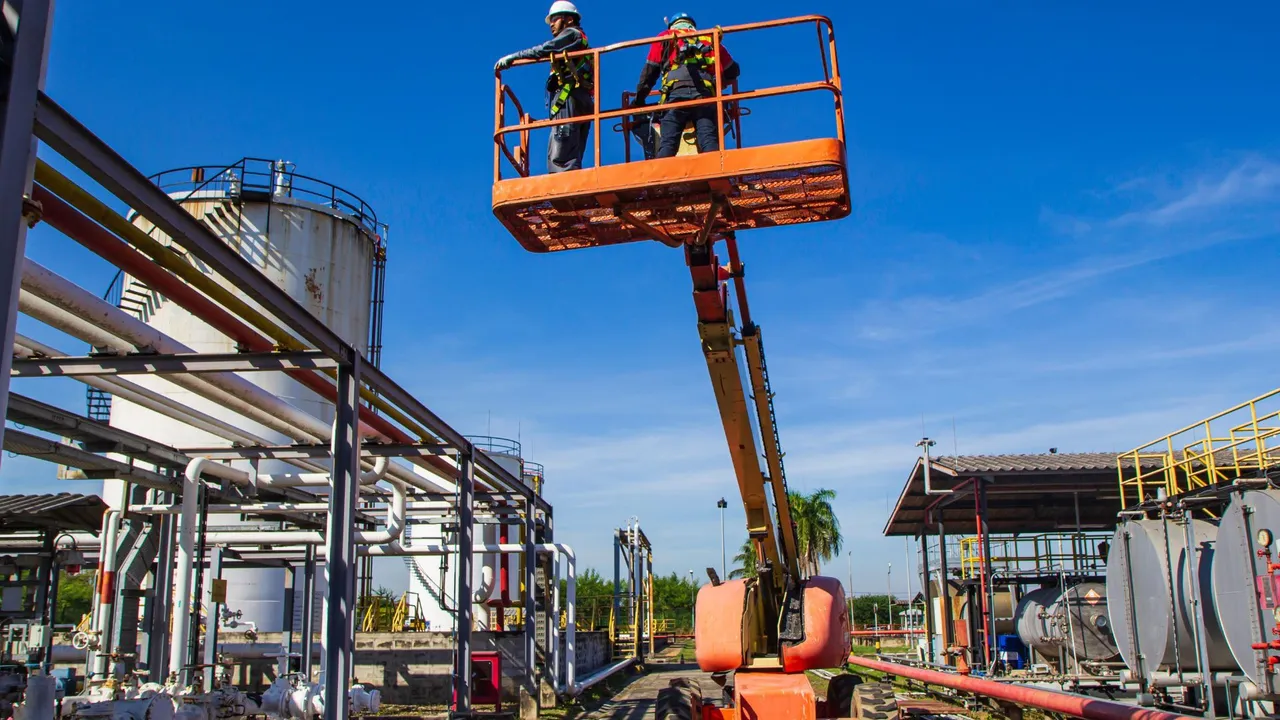
This is particularly relevant in construction, petrochemicals, installation services and industrial facilities operating under the VCA system.
However, it is important to distinguish between legal requirements and the rules established by individual companies.
VCA certification is not a universal legal requirement for every employee in the Netherlands. It may be required under a company’s certification standards, contractual agreements with clients or site access regulations.
If you fail the exam, your employer may refuse to allow you to perform certain tasks until you obtain the required diploma.
However, this does not automatically mean your employment contract will be terminated. The consequences depend on your employment arrangement, job responsibilities and agreements with your employer.
If you work through an employment agency, inform your coordinator that you failed the exam and let them know when you plan to retake it. This will help you agree on your future work schedule.
Yes. Basic VCA examinations are available in Polish in the Netherlands, including for candidates who have previously failed the test.
You do not have to retake the exam in the same language you chose for your first attempt. Your options depend on the available examination languages and the provider’s regulations.
At Bonapi, you can take the Basic VCA exam in Polish at the training centre in Spijkenisse. Preparatory courses conducted in Polish are also available.
For people who can comfortably perform their professional duties but struggle with specialised Dutch terminology, taking the exam in their native language can be a much more convenient option.
However, remember that speaking Polish does not replace knowledge of workplace safety principles. The exam still assesses the same required competencies.
After successfully passing the examination, you will receive a VCA diploma for the relevant certification level.
The diploma has exactly the same value regardless of whether you passed on your first, second or subsequent attempt.
A VCA diploma is valid for 10 years from the date you pass the examination. After this period, you must take the exam again to renew your certification.
Information about your diploma is recorded in the Dutch Centraal Diploma Register (CDR). This allows employers to verify its authenticity and expiry date.
Your diploma does not include information about previous unsuccessful attempts. What matters most to employers is that you hold a valid, verifiable certificate.
Have you failed your VCA exam and want to try again? Or are you responsible for a team of employees in the Netherlands and need to help them obtain their certificates?
At Bonapi, we organise Basic VCA and VOL-VCA training courses and examinations in the Netherlands. We offer courses in Polish, classroom-based and online training, and the option to prepare groups of employees according to your company’s needs.
Explore the VCA courses and examinations available at Bonapi and choose the preparation method that suits you best.
If you need to train several employees or a larger team, contact us to discuss available dates and arrangements for group training.
You can also follow Bonapi on social media for updates about training courses, examination dates and practical advice on working in the Netherlands.



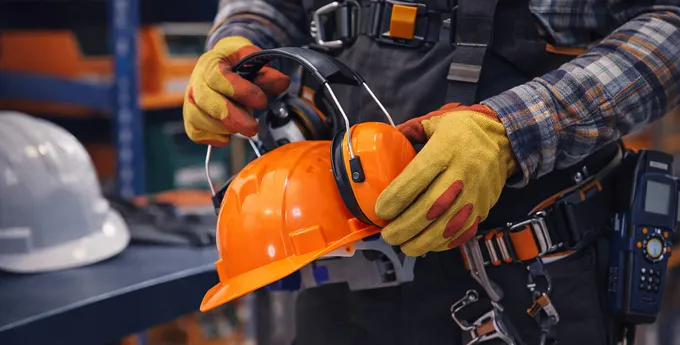
În magazinul nostru găsești echipament de lucru de încredere, EPI și accesorii necesare pentru muncă în siguranță. Oferim produse alese de profesioniști din construcții, logistică și industrie.