User Panel


Work in Netherlands
Search

Arina
VCA / SCC / BHV Department
The mangatwacht is one of those roles that many people only hear about after they arrive to work in the Netherlands. The name sounds technical, but the role is very practical: it is about a person who looks after the safety of workers entering confined spaces. In industry, construction, shipyards or when cleaning installations, such a role can decide whether the work goes safely. If you are looking for work in the Netherlands or want to understand the requirements at industrial sites better, this topic may be very important for you.
The Dutch word “mangat” means an access opening or manhole, and “wacht” is a guard or someone keeping watch. A mangatwacht is therefore the worker who watches over the entrance to a confined space. You will also come across descriptions such as: entry watch, standby person, hole watch or a worker supervising work in a confined space.
It is not, however, about just “standing by the opening”. The mangatwacht has specific tasks relating to access control, communication, watching the situation and responding quickly when a hazard arises. It is a supporting role, but a highly responsible one.
A confined space is a place where entry is restricted, ventilation may be insufficient and conditions can quickly become dangerous. Examples include:
In such places there may be a lack of oxygen, and toxic gases or flammable substances may be present. Sometimes moving parts of the installation, high temperature, limited visibility, noise or a difficult evacuation are also hazards.
Working in a confined space is different from ordinary work in a hall, on site or in a warehouse. A worker inside a tank or channel has limited ways to get out. They cannot always see what is happening outside. They cannot always judge for themselves whether conditions are starting to worsen.
The mangatwacht is the person who stays outside the confined space and watches the situation. They keep track of who has gone inside, maintain contact with the workers and respond if anything deviates from the plan. This matters because in an emergency, seconds and a clear division of duties count.
A well-prepared mangatwacht does not act on gut feeling. They work in line with the instruction, the site procedure, the work permit and the team’s arrangements. They must know when to stop the work, when to call for help and how not to put themselves at risk during an alarm.
You will come across the mangatwacht role mainly in sectors with industrial installations, tanks, pipelines or limited technical spaces. It is not a typical position for every warehouse or every building site, but in many sectors it appears regularly.
The most common workplaces are:
In practice, a mangatwacht often works with fitters, welders, mechanics, electricians, industrial cleaning workers, equipment operators, maintenance staff and safety teams. Their job is not to do the work for these people, but to secure the conditions in which they can work safely.
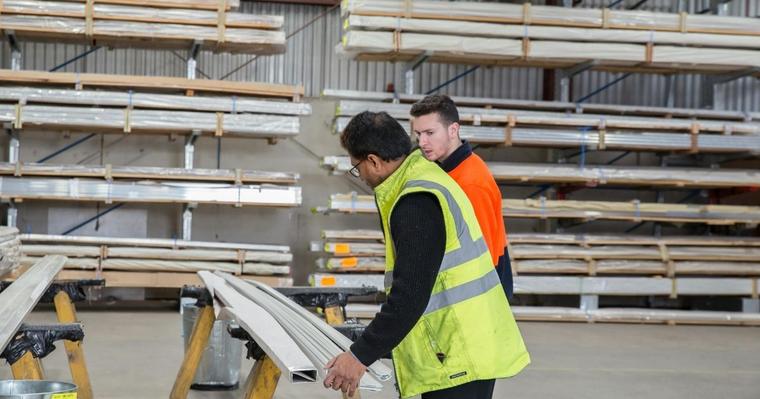
The working day usually begins by discussing the task. The team checks which space is to be opened, who goes inside, what the scope of the work is and what hazards may occur. At industrial sites there is often also a short toolbox meeting or an LMRA, the last risk assessment just before the task starts.
The mangatwacht has to know exactly what is going to happen. Supervising a welder in a tank looks different from industrial cleaning, and different again from an installation inspection. Different tasks mean different hazards.
Before the work starts, the mangatwacht may check whether:
During the work, the mangatwacht stays at the entrance and maintains contact with the people inside. This may be verbal contact, by radio, visual, or an agreed system of signals. It all depends on the location, the noise, the visibility and the company’s procedures.
It is very important that the mangatwacht does not leave their post without a replacement. If they are watching the entrance, their attention must be focused on the workers and the working conditions. A phone, conversations unrelated to the task or doing other work can create a real risk.
The range of duties depends on the company, the type of installation and the risk assessment. There are, however, tasks that recur very often. The mangatwacht is responsible above all for observation, communication and raising the alarm.
Typical duties include:
Controlling workers entering and leaving
The mangatwacht has to know who is inside the confined space. In many places a list of people is kept or a badge system is used. That way, in the event of an alarm, it is known whether everyone has left the workplace.
Keeping in contact with the people inside
Contact should be regular and clear. If a worker inside stops responding, behaves unusually or reports a problem, the mangatwacht must react immediately, in line with the procedure.
Observing the surroundings
The mangatwacht does not only watch the entrance. They also have to pay attention to what is happening around them: a change in the weather, vehicles, other crews, cables, smoke, smell, noise, leaks or other signals that may indicate a hazard.
Enforcing the conditions set out in the work permit
Work in a confined space is often carried out on the basis of a permit. If conditions change, the work may have to be stopped. The mangatwacht should not interpret risk beyond their competence on their own, but they must be able to notice that the situation no longer matches the arrangements.
Raising the alarm in the event of a hazard
If a problem occurs, the mangatwacht should not act chaotically. Their role is to trigger the alarm procedure, call the right people and pass on clear information: where the incident happened, how many people are inside and what has occurred.
Keeping out unauthorised people
A random person must not enter a confined space. The mangatwacht makes sure that only designated, trained people covered by the work permit have access.
This is a very important part of the role. A mangatwacht is not a jack-of-all-trades. They should not at the same time watch the entrance, carry materials, help with assembly and perform other tasks if this makes them lose control of the situation.
The mangatwacht should also not enter the confined space on their own to rescue a worker, if the procedure does not provide for it and there is no proper protection. This is a common error in thinking: someone sees a hazard and wants to help immediately. In confined spaces, such a reaction can end with a second victim.
Their job is to call for help and act in line with the emergency plan. Rescue in such conditions requires equipment, preparation and a team. So the mangatwacht has to keep a cool head, even when the situation is stressful.
Work in a confined space can look calm, but the hazards are often invisible. The greatest risk is that a problem can appear suddenly. The worker inside may not have time to react on their own.
The most important hazards include:
That is why, before entering a confined space, measurements, ventilation, isolating the installation, securing energy sources and a clear work plan are so important. The mangatwacht does not always carry out these operations themselves, but must understand why they are applied.
It is a role for responsible and focused people. It does not require the same physical strength as heavy assembly work, but it does require alertness over a long time. For many people, that is precisely the hardest part.
A good mangatwacht should be:
Basic knowledge of English or Dutch is also useful, especially at larger sites. It is not about a fluent conversation on any topic, but about understanding instructions, alarms, signs, procedures and safety messages. In an industrial environment, a misunderstanding can have serious consequences.
In practice, mangatwacht can be a separate function for a given task, but it does not always mean a permanent position all year round. Often such a role is filled by a worker designated for a specific job, especially during overhauls, cleaning installations or technical shutdowns.
It may be someone employed by an industrial company, a subcontractor, a staffing agency or a technical company. On some projects the mangatwacht works a whole shift at a single entrance. On others they supervise several stages of the work, but only when the procedure and the organisation of the task allow it.
For a worker from abroad, such a role can be a good entry into the industrial environment in the Netherlands. It lets you get to know the procedures, the technical language, the working rules at sites and the requirements for crews. Over time you can develop towards technical work, industrial cleaning, assembly, logistics, operating equipment or coordinating roles.
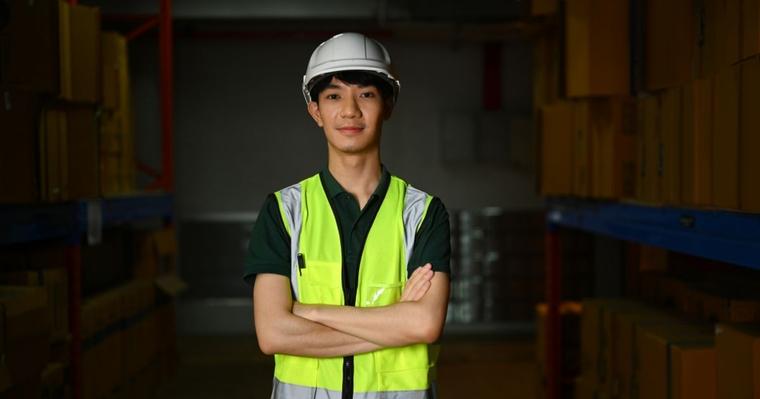
In the Netherlands, documented preparation for work in an industrial environment carries a lot of weight. At many companies, VCA is the basis: training on safety, health and the environment at work. VCA is often required of people working on building sites, in industrial plants, on technical installations and for subcontractors.
In some sectors, SOG training and workplace training required by a specific site or client also come up. The scope of the requirements depends on the workplace, the risk assessment and the type of tasks. Different preparation may be needed for cleaning tanks, another for operating a forklift, and another again for working at height or on scaffolding.
If you want to work as a mangatwacht or near work in confined spaces, what counts most is risk awareness and knowledge of the procedures. An employer has to be sure that you understand your role, can communicate hazards and will not improvise in an emergency.
The best start is solid safety preparation. If you are just planning to move to the Netherlands or want to change sector, begin with training that is recognised on the market and useful in many sectors. VCA can open the door to work in industry, construction, logistics and engineering.
It is also good to develop practical qualifications. Depending on the direction of your work, these may be:
Preparing for work in the Netherlands is not just about obtaining a single document. What counts is whether you understand the real working conditions and can behave in line with the procedure. Employers value people who are independent, but do not take risks and do not hide problems.
This role may suit people who want to work in an industrial environment, but not necessarily start straight away with heavy technical work. It suits careful, patient and responsible people. It is not work for someone who is easily distracted or disregards the rules.
A mangatwacht has to be able to say “stop” if the situation becomes dangerous. That takes self-confidence, especially when other workers want to finish the task quickly. In the Netherlands, such an attitude is part of the safety culture: it is better to stop the work and clarify the risk than to continue the task in uncertain conditions.
For many workers from abroad, this role is also a way to gain experience at large industrial companies. Contact with procedures, documentation, technical teams and the Dutch way of working can help with further professional development.
A mangatwacht is the person who looks after safety at the entrance to a confined space. Their role consists of observation, communication, access control and raising the alarm in the event of a hazard. It is not a symbolic or “paper” function. The safety of the whole team can depend on the mangatwacht’s alertness.
If you are thinking about work in the Netherlands in industry, construction, logistics or maintenance, knowledge of the rules for working in confined spaces will be a big advantage. Even if you do not fill the mangatwacht role yourself, you may work in a team that carries out such tasks. The better you understand the procedures, the more easily you will find your way on site.
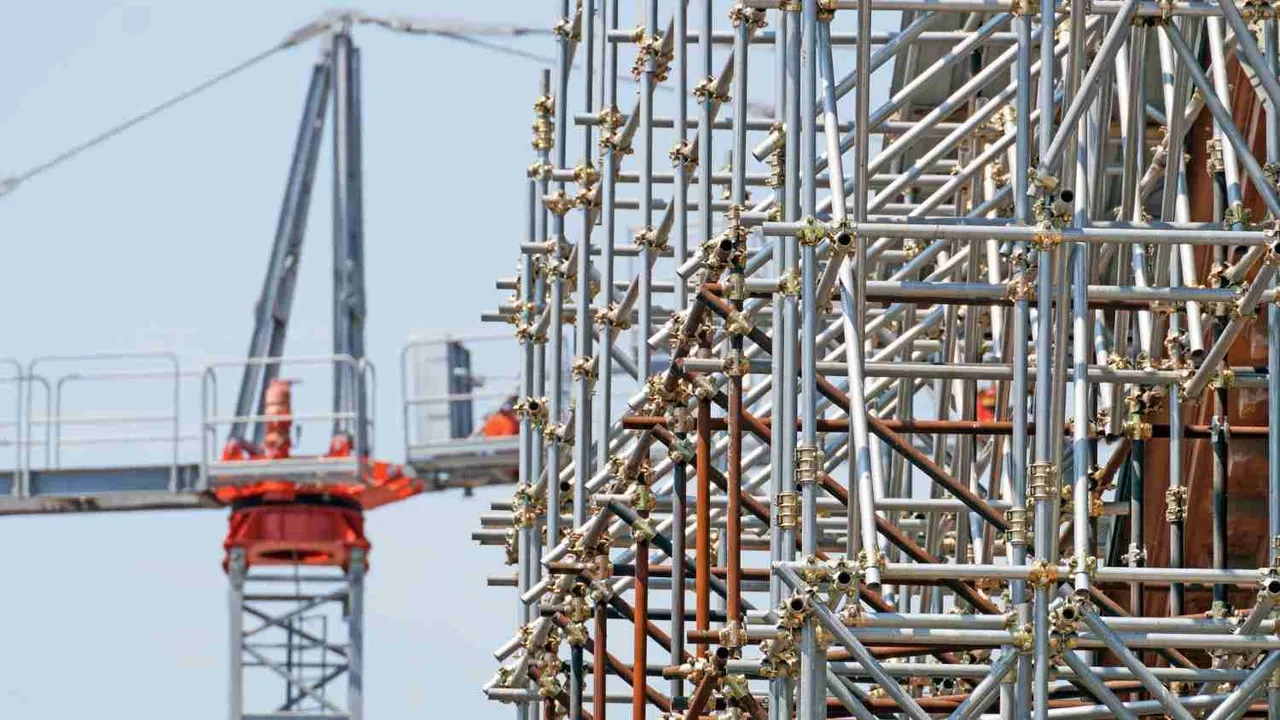
In some sectors, especially for higher-risk work, VCA alone may not be enough. Depending on the workplace and the range of duties, an employer or client may require additional qualifications. In the petrochemical industry these are often SOG certificates, while for scaffolding work DNV certificates confirming scaffolders’ qualifications may be required. The scope of the required training depends on the risk assessment, the type of tasks carried out and the internal procedures in force at the given site.
Do you want to increase your chances of good work in the Netherlands? Bonapi helps workers and companies prepare for safe work in various sectors. We organise training for employees, including VCA, SOG, forklift, working at height and many other courses needed on the Dutch market.
We train individual workers or whole company groups, tailoring the content to the team’s needs and the type of work. Check out Bonapi’s training offer and choose the course that helps you work more safely, with more confidence and better prepared for the requirements of employers in the Netherlands.
Follow Bonapi on social media or subscribe to the newsletter for practical information on training, working in the Netherlands and the requirements on the market.



Author:

Cezary
Dział IPAF / SOG
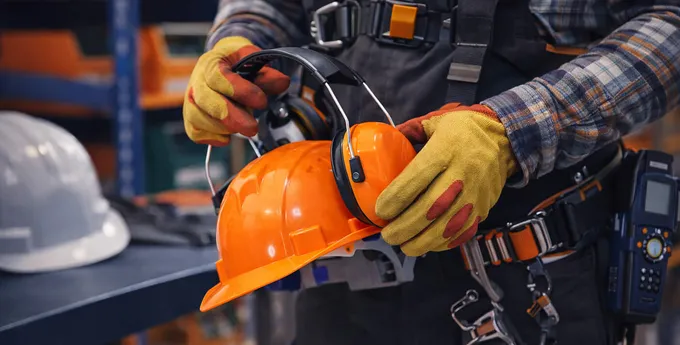
In our shop you will find trusted workwear, PPE and accessories you need for safe work. We offer products chosen by professionals from construction, logistics and industry.