User Panel


Forklifts
Search

Arek
Forklift & IPAF Instructor
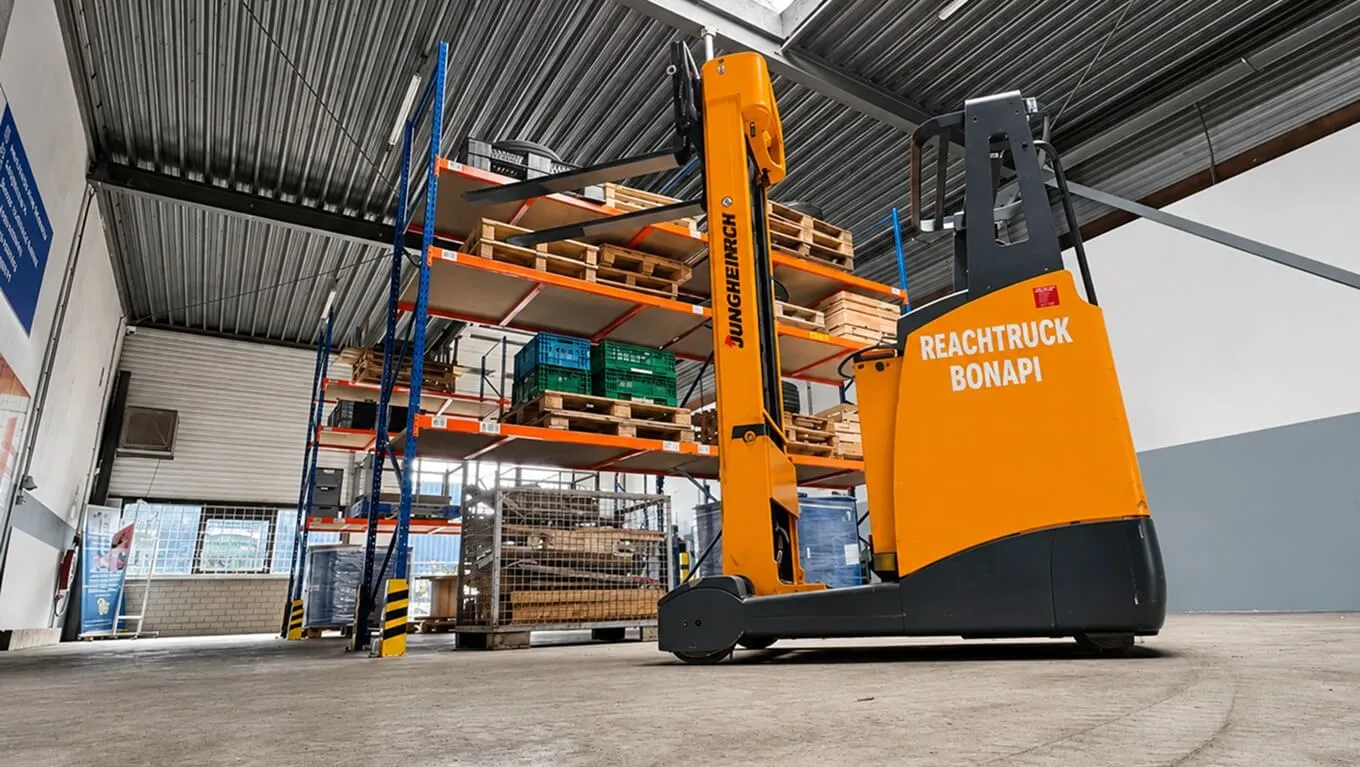
There are plenty of conflicting opinions about forklift certificates in the Netherlands. Some come from differences in employers' requirements, while others result from confusion between Dutch health and safety legislation and individual company policies. However, the fact that Dutch law does not require one specific forklift certificate does not mean that anyone can legally operate a forklift.
So where is the line between legal requirements and an employer's own rules? And what should every forklift operator know before getting behind the wheel?
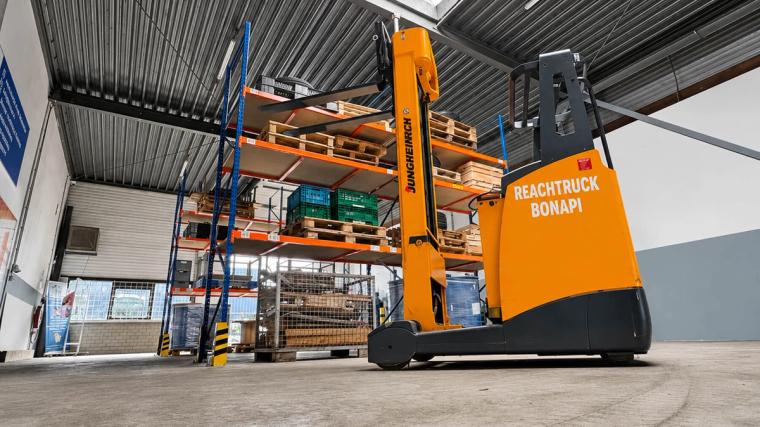
Dutch job advertisements frequently list a heftruckcertificaat (forklift certificate) as a requirement. This can easily create the impression that holding such a document is mandatory under Dutch law.
The reality is more complicated. Dutch occupational health and safety legislation does not establish one universally mandatory certificate for all forklift operators. However, it does require anyone operating this type of equipment to have the necessary skills, knowledge and training to do so safely.
In other words, the legal requirement concerns the operator's competence, while the obligation to present a specific certificate may come from the employer's internal policies.
Why, then, do so many companies insist on a certificate?
Because an applicant's claimed experience is not always easy to verify during a short interview. A certificate confirming that someone has completed training and passed an examination gives employers a practical way to assess whether a potential operator has received appropriate preparation.
This also explains why two companies operating in the same industry may have completely different recruitment requirements.
The main legal framework for occupational health and safety in the Netherlands is the Arbeidsomstandighedenwet, commonly known as the Arbowet. More detailed requirements concerning work equipment are set out in the Arbeidsomstandighedenbesluit (Arbobesluit).
Under Article 7.17c(1) of the Arbobesluit, self-propelled mobile work equipment may only be operated by employees who possess the necessary specific expertise and skills (specifieke deskundigheid).
This means that an employer should not allow someone to operate a forklift without properly assessing their competence.
More information about these requirements can be found on the official Arboportaal website.
Article 8 of the Arbowet requires employers to provide employees with appropriate information and instructions about their tasks and the risks involved.
For forklift operators, knowing how to drive the machine is only part of the equation. Understanding the conditions of the specific workplace is equally important.
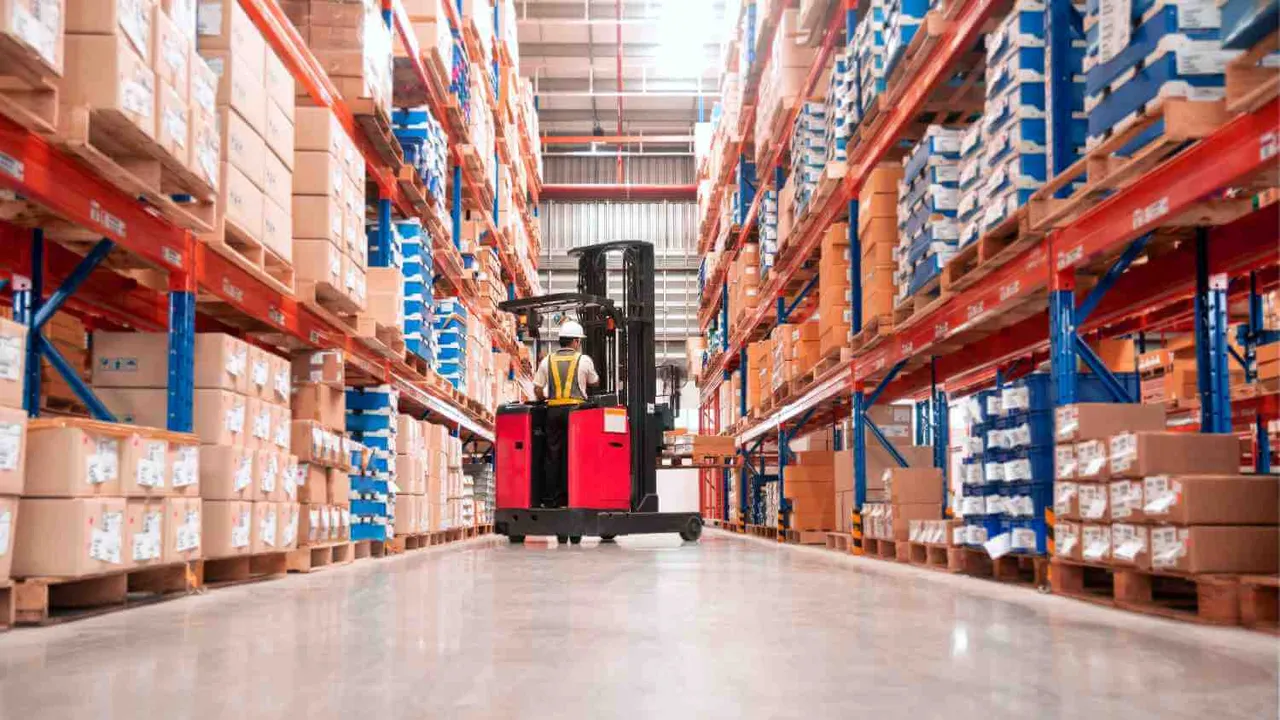
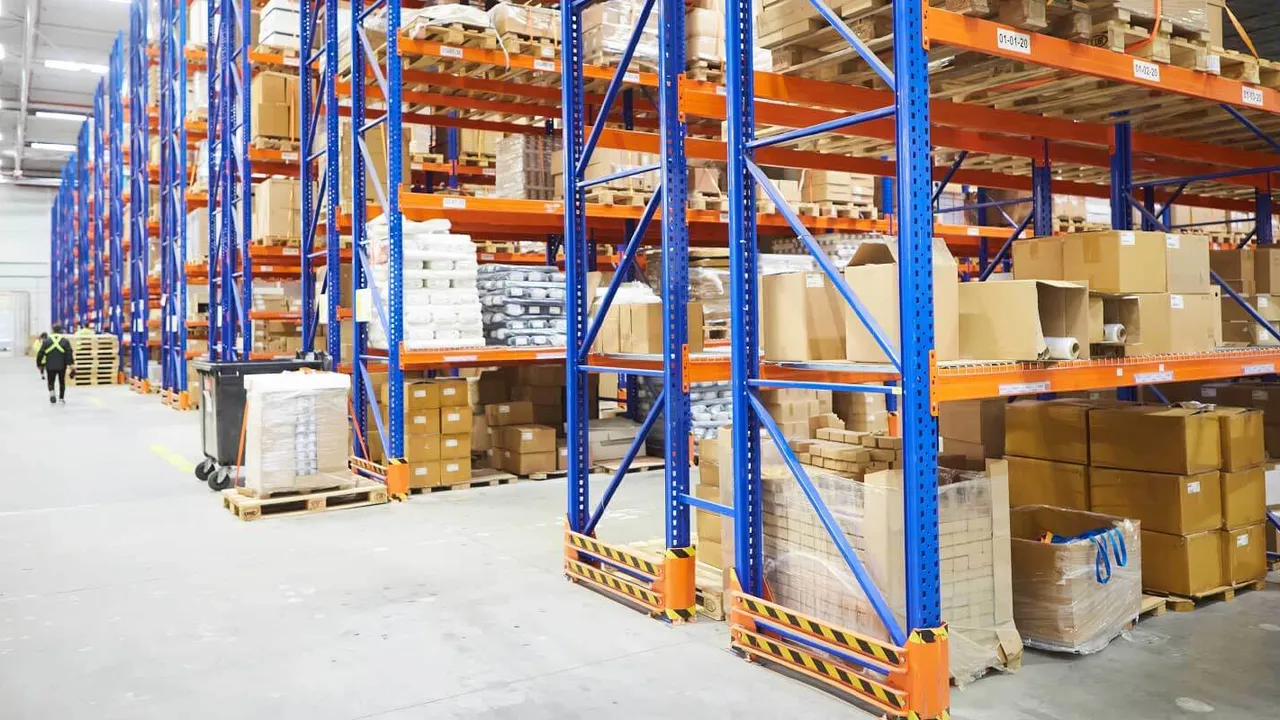
Operating a forklift in an empty warehouse is very different from transporting loads between storage racks in a busy distribution centre where pedestrians regularly cross the same routes.
Employers must consider these risks as part of their mandatory Risk Inventory and Evaluation, known in Dutch as the Risico-Inventarisatie en -Evaluatie (RI&E), and implement appropriate safety measures.
Documenting workplace instructions and training is also essential. During an inspection by the Netherlands Labour Authority (Nederlandse Arbeidsinspectie), a company must be able to demonstrate that it has fulfilled its legal responsibilities.
The difference between legal requirements and everyday practice becomes particularly clear during recruitment.
Many warehouses, distribution centres and employment agencies require applicants to hold a valid forklift certificate before they can start operating equipment. However, this does not mean that every company in the Netherlands is legally required to follow exactly the same procedure.
Where an employer accepts alternative ways of demonstrating competence, the company must still assess the operator's abilities, provide appropriate workplace instructions and ensure safe working conditions.
When employees are hired through an employment agency, responsibility for their safety does not rest with the agency alone. According to guidance published by Arboportaal, the company where a temporary employee actually performs their duties carries the primary responsibility for workplace safety. The employment agency also has specific obligations regarding the provision of information.
As a result, not having a forklift certificate can prevent someone from starting a particular job, even though Dutch law does not require every operator to hold the same certificate.
Years of experience should not automatically be treated as a substitute for checking someone's competence. An operator may be highly skilled with one type of machine but unfamiliar with the controls, operating conditions or risks associated with another.
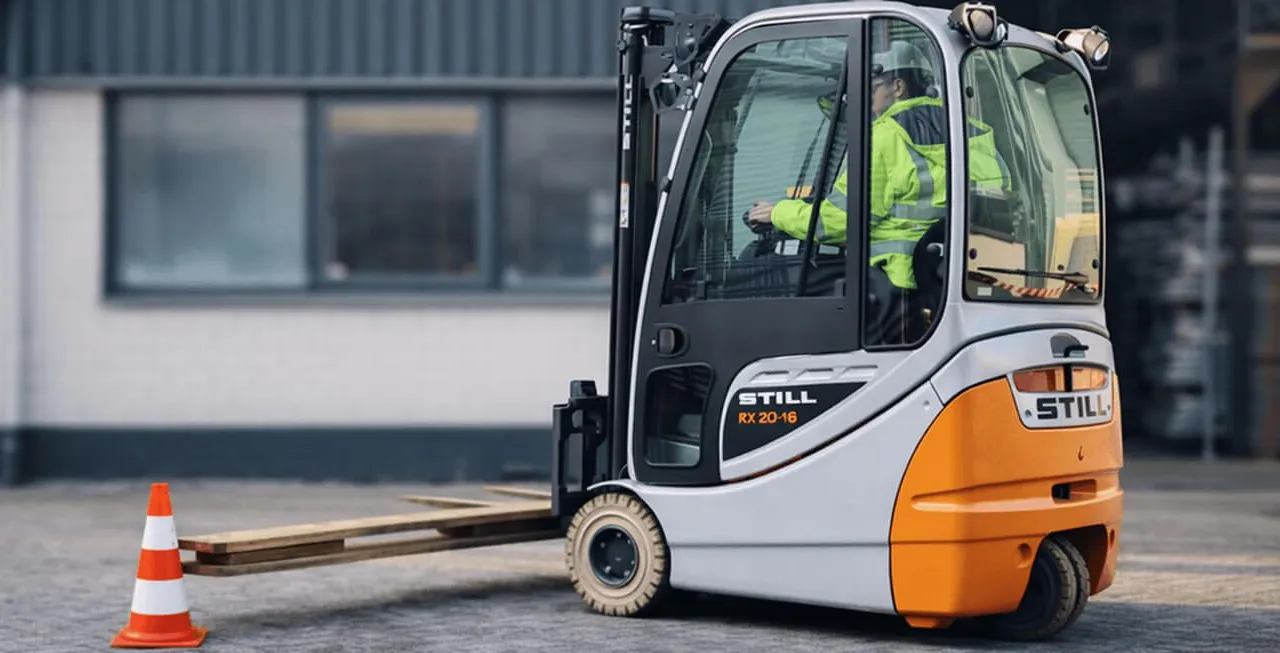
The term "forklift" is sometimes used broadly to describe different types of industrial trucks used in warehouses and logistics operations.
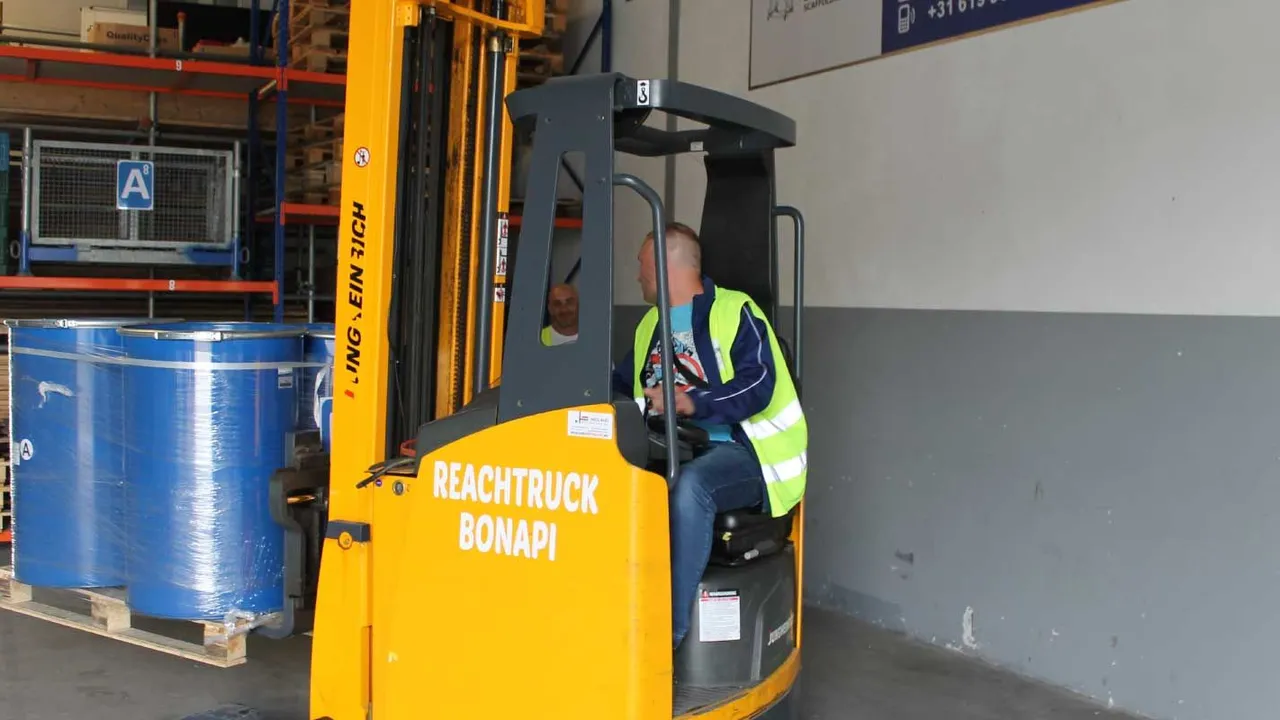
In the Netherlands, the most common types include:
Although these machines perform related tasks, they differ in construction, handling characteristics and the risks associated with their operation.
Holding a forklift certificate does not automatically prove that someone is competent to operate a reachtruck. What matters is the actual scope of the training completed and the operator's practical skills.
Anyone planning to use several types of equipment can consider a combined training course covering the relevant categories.
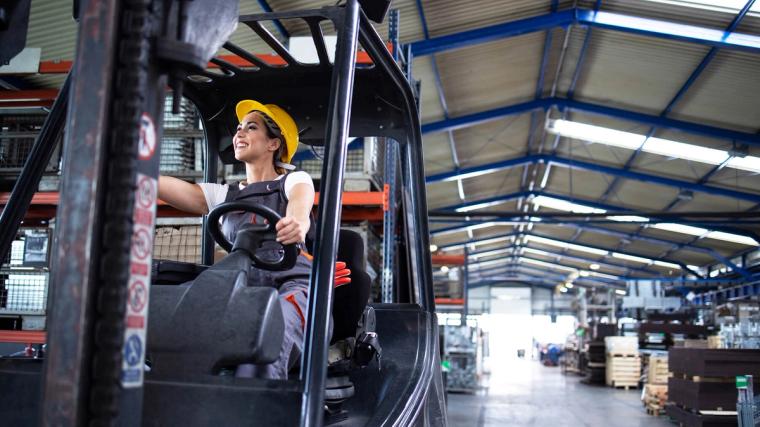
Dutch job advertisements sometimes use terms such as heftruckrijbewijs or "forklift licence".
In most cases, these refer to proof of professional competence rather than a government-issued driving licence comparable to a car driving licence.
However, operating a forklift on private company premises is not the same as using one on a public road.
In certain situations, such as driving a forklift of a particular width or operating one with a trailer on public roads, additional requirements concerning a Category T driving licence may apply.
You can find more information about Category T driving licences on the official Dutch government website.
A good forklift course should prepare participants to operate equipment safely and independently, rather than simply teaching them how to pass an exam.
The theoretical part typically covers occupational health and safety, forklift construction, lifting capacity, stability, centre of gravity and safe load handling.
Identifying hazards and assessing the technical condition of the machine before use are also important parts of the training.
During practical sessions, participants learn how to manoeuvre a forklift, lift and place pallets, transport loads and operate safely around warehouse racking.
The final examination assesses both theoretical knowledge and the ability to apply that knowledge in practical situations.
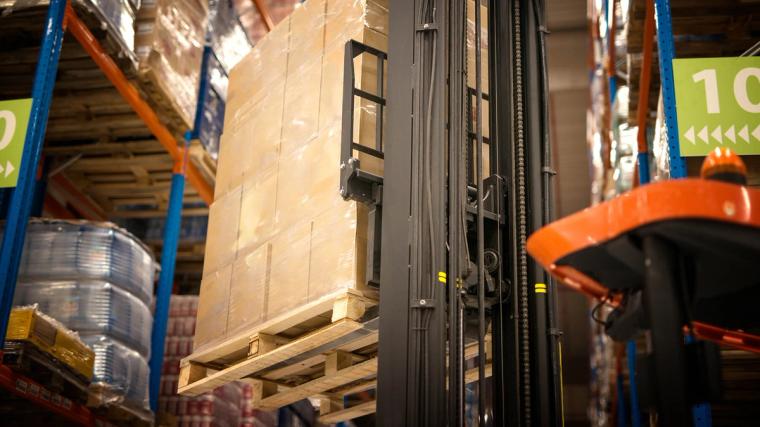
The right training format should primarily depend on the participant's previous experience.
At Bonapi Training Center, the one-day forklift course is intended for people who already have experience operating forklifts or are familiar with handling technical equipment.
The training is intensive, with theory, practical exercises and both examinations completed on the same day.
The two-day forklift course provides additional time for practical training, making it a more suitable option for beginners who need to develop their skills from the ground up.
Training and examinations are available in multiple languages, including English and Polish. This is particularly important when learning safety procedures and technical concepts that participants must fully understand before operating machinery.
Forklift certificates issued in the Netherlands are commonly valid for five years. Bonapi Training Center also issues certificates with a five-year validity period.
However, this is not a universal validity period established by Dutch law for every forklift operator certificate.
The validity period depends on the requirements of the certification system or training provider.
Before a certificate expires, operators should check the conditions for renewal.
Regardless of the expiry date printed on a certificate, employers should also take action when an operator's knowledge or practical skills need updating.
Polish UDT qualifications, issued under the Polish technical inspection system, are not automatically recognised as equivalent to a Dutch forklift operator certificate.
However, they can help an employer assess an applicant's previous training and professional experience.
This does not mean that Polish UDT qualifications have no value in the Netherlands. They can still provide relevant evidence of technical knowledge and previous professional preparation.
The final requirements depend on several factors, including the position, the type of equipment involved and the policies of the company concerned.
An employer may require an additional practical assessment, supplementary training or a forklift certificate accepted within the Netherlands.
When applying for a position, it is worth presenting any existing qualifications in advance and asking whether the employer will accept them.
This helps avoid situations where someone arrives in the Netherlands expecting to start operating a forklift immediately, only to discover that further training or verification is required.
The most serious consequences do not necessarily arise during routine document checks. They often become apparent only after an accident.
If a forklift strikes a pedestrian, overturns or damages a load, the investigation may examine not only what happened but also how the operator was prepared to carry out their duties.
Relevant factors may include completed training, workplace instructions, risk assessments and the overall organisation of work.
Under Dutch legislation, the employer carries the primary responsibility for providing safe working conditions.
However, forklift operators also have responsibilities. These include using equipment correctly, following safety instructions and reporting any hazards they identify.
This does not mean that every accident involving an operator without a certificate automatically results in an insurance claim being rejected.
Questions of liability and insurance coverage must be assessed based on the circumstances of the incident, applicable legislation and the conditions of the insurance policy.
Nevertheless, a lack of appropriate training and documentation can make it significantly more difficult for an employer to demonstrate that adequate safety measures were in place.
When looking for forklift training in the Netherlands, it is worth considering more than just the price and the next available date.
First, check whether the course covers the specific type of equipment you will be expected to operate.
Next, look at how much practical training is included, how the examination is organised and what information appears on the certificate.
It is also important to make sure that the selected course meets the requirements of your current or future employer.
This is especially relevant in higher-risk industries, such as petrochemicals, where a separate SOG certificate registered within the SSVV system may be required.
The cheapest or fastest course is not always the most suitable option.
Someone who has never operated a forklift may need considerably more practical training than an experienced operator who simply needs to renew their qualifications.
A worthwhile certificate should reflect genuine skills and knowledge, rather than being just another document collected for recruitment purposes.
In the Netherlands, the most important question is not simply whether someone has a certificate, but whether they can operate the equipment safely in accordance with legal requirements and the conditions of their workplace.
A forklift certificate makes it easier to demonstrate competence, but it does not replace proper workplace instructions or familiarity with a particular machine.
Equally, the absence of a universal legal requirement for a specific certificate does not give someone the right to start operating a forklift without appropriate training, competence and authorisation from their employer.
Before starting work, it is therefore worth checking the company's requirements, the type of equipment being used and the scope of your existing qualifications.
Doing so can help prevent misunderstandings during recruitment and, more importantly, protect both the operator and everyone else in the workplace.
Would you like to obtain a forklift, reachtruck or EPT certificate in the Netherlands?
Explore the forklift training courses available at Bonapi Training Center in Spijkenisse and choose a programme that matches your experience and training needs.
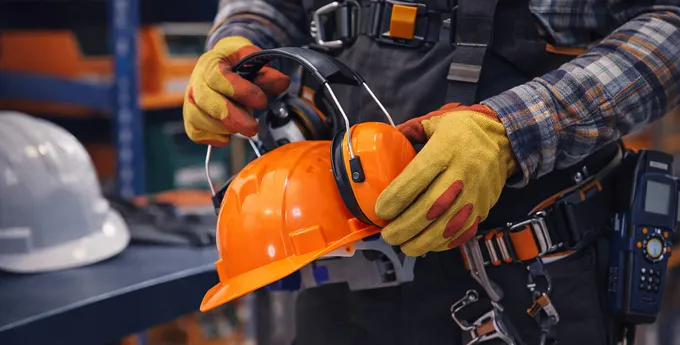
In our shop you will find trusted workwear, PPE and accessories you need for safe work. We offer products chosen by professionals from construction, logistics and industry.