User Panel


Advice
Search

Arek
Forklift & IPAF Instructor
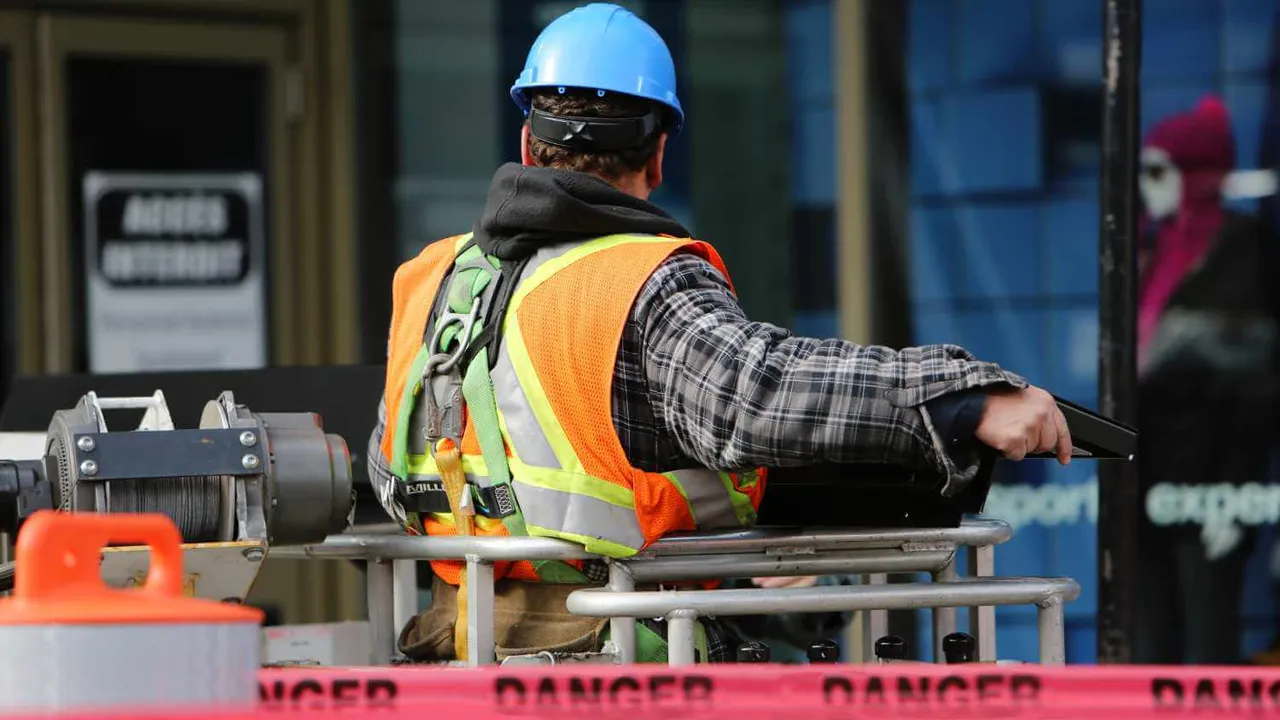
Safety at work does not end with a helmet, a hi-vis vest and a signed instruction. In manufacturing, logistics, technical and construction companies, someone has to check every day whether the safety rules really work at the workplace. That is exactly what an operational safety specialist does: they connect the requirements of the regulations, the company’s procedures and the reality of the team’s work. If you want to develop in the Netherlands towards supervision, coordination or safety support, this is an occupation with solid opportunities.
The operational safety specialist is the person who makes sure work is carried out safely at the level of everyday activities. They do not work only at a desk and do not limit themselves to documents. Their job is to be present close to the people, machines, processes and places where risk arises.
Such a person may work on a building site, in a warehouse, a production plant, a technical company, a port, a distribution centre or on service work. They observe how tasks are carried out, recognise hazards and help implement solutions that reduce the risk of accidents.
This position often combines elements of several functions: safety, operational supervision, work-quality control, communication with managers and training of employees. The operational safety specialist does not replace the employer or the formal health-and-safety service, but supports the organisation where safety has to work in practice.
The range of duties depends on the sector and the size of the company, but the main aim is always similar: to prevent accidents before they happen. Such a person analyses whether the work is carried out in line with the procedures, whether employees understand the hazards and whether the equipment is used in the right way.
Typical tasks include:
Documentation also matters. The operational safety specialist may prepare observation reports, notes after inspections, checklists, workplace instructions or information needed to update the risk assessment. It is not about “paper for paper’s sake”. Good documentation shows what is really happening at the workplace and what needs to improve.
Most such positions appear where work involves a higher risk. In the Netherlands, this applies especially to companies with machines, internal transport, work at height, hazardous substances, time pressure or a high turnover of staff.
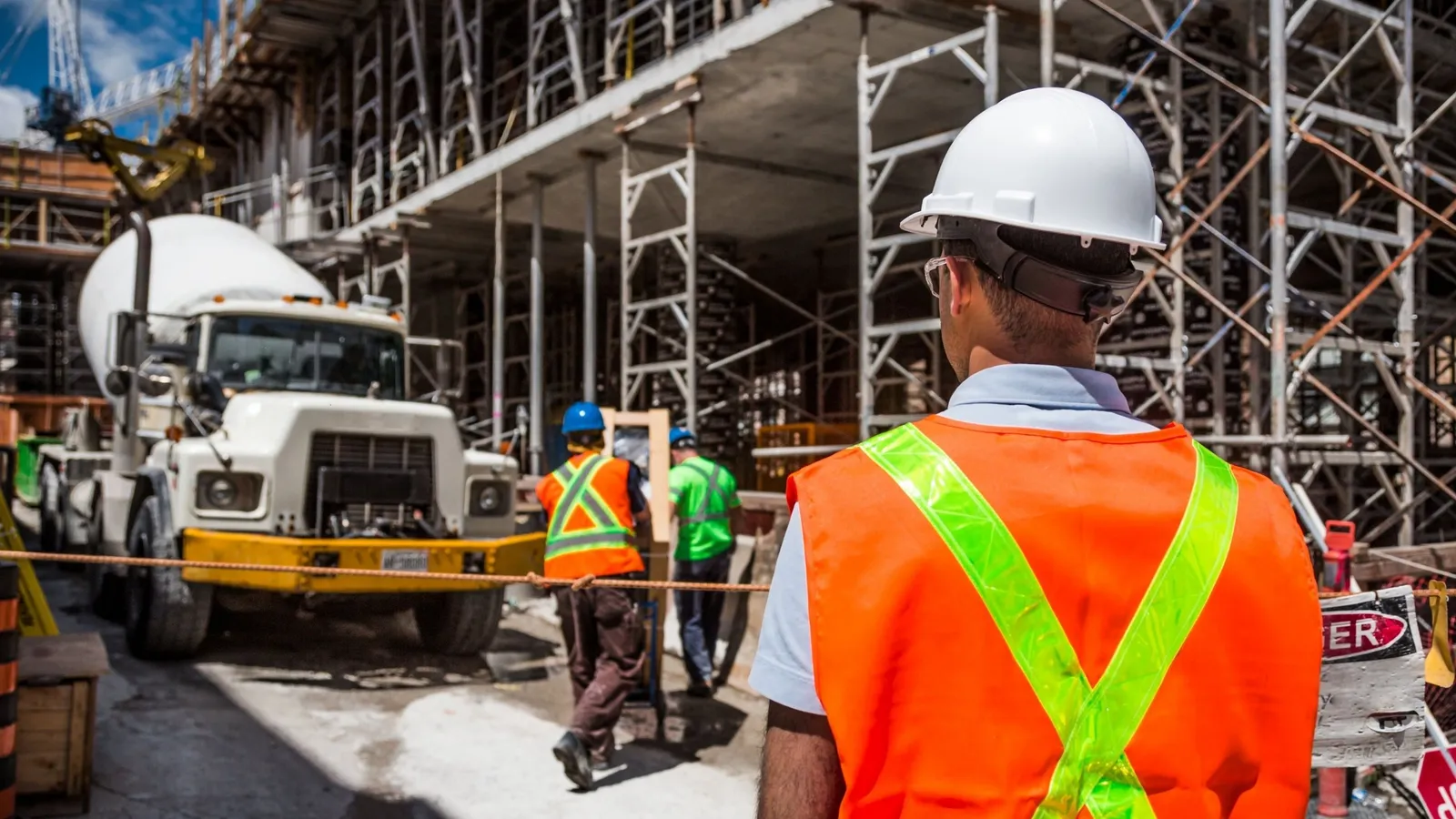
In construction, the operational safety specialist checks the organisation of the site, the traffic routes, fall protection, scaffolding, work with power tools and cooperation between many subcontractors. On a building site, the risk changes from day to day, so an instruction alone is not enough. Constant observation and a fast response are needed.
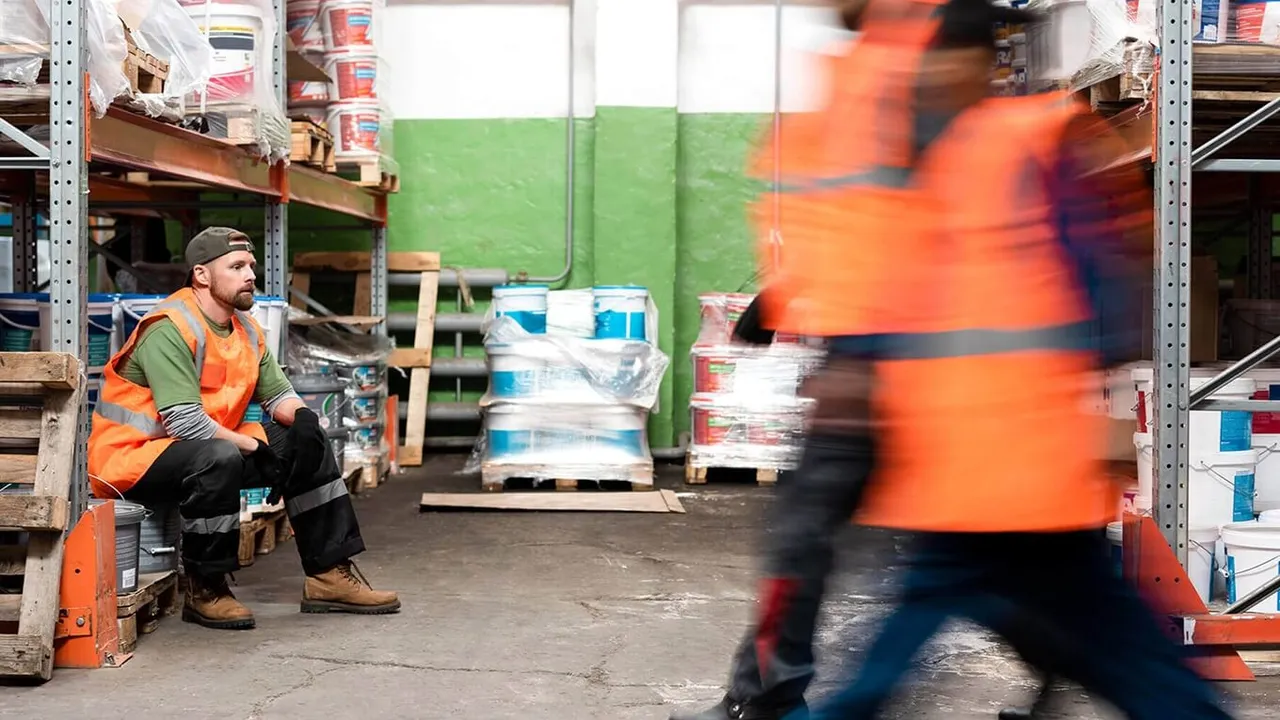
In logistics and warehouses, forklifts, pedestrian traffic, high racking, loading, unloading and working under deadline pressure are of great importance. The specialist makes sure the routes are clear, the loads are secured and the operators work by the rules.

In production, the range of duties covers machines, production lines, safety interlocks, maintenance work, noise, ergonomics and contact with chemical substances. Here, understanding the process is very important. You need to know when a worker may be exposed to injury, entrapment, burns, overexertion or contact with hazardous material.
In the technical industry, the energy sector, offshore, petrochemicals and service work, additional requirements come in: work permits, work in confined spaces, hot work, locking off energy sources, work on installations and greater responsibility for procedures. In such environments, operational safety is very closely linked to work planning.
This is not an occupation for someone who just wants to tick off checklists. The operational safety specialist has to go out regularly onto the shop floor, the site, the warehouse or the work area. They have to talk to people, observe, ask questions and sometimes stop the work when a serious hazard arises.
A large part of the work consists of connecting rules with reality. A procedure may look good on paper, but at the workplace it turns out there is no space, the tool is awkward, the instruction is unclear or the worker does the task differently because “it was always faster that way”. The specialist has to spot this and find a solution that is both safe and workable.
In this role there is often tension between production and safety. The manager wants to hit the plan, the client is waiting for the service, the team is under pressure, and the operational safety specialist has to watch the limits. A good person in this position does not block the work without reason. They explain the risk, offer an alternative and help organise the task so it can be done safely.
The most important thing is practical knowledge of hazards. The operational safety specialist should understand how accidents happen and what warning signs appear beforehand. A dangerous situation rarely starts with the accident itself. Before that there are small deviations: a missing guard, haste, an unclear instruction, the wrong equipment, fatigue or poor communication.
Communication is very important. You have to be able to talk to the manual worker, the foreman, the project manager and the person from the office. Each of them looks at safety from a different perspective. The specialist should speak clearly, calmly and to the point.
Also useful are:
In the Netherlands, knowledge of English or Dutch at a level that allows a conversation about safety is an added advantage. You do not always have to speak perfectly, but you do have to understand instructions, warnings, procedures and directions.
Most often, people reach this role through operational experience. A good starting point is work as an operator, fitter, warehouse worker, technician, foreman, team leader or production worker. Someone who knows the reality of the workplace recognises risk more easily and wins the team’s trust faster.
The next step is developing safety competences. It is worth starting with training on safe work, operating equipment, communicating hazards and responding in emergencies. Courses on working at height, forklifts, first aid, evacuation, working with chemicals, tools or machines can be useful.
If you already work at a company in the Netherlands, a good approach is to volunteer for safety-related tasks. You can help with briefings, suggest improvements, take part in workplace inspections or support newly hired people. That is how you build the practical experience that later helps you move into a coordinating role.
There is no single universal path for every sector. The requirements depend on the position, the type of company and the level of risk. Different qualifications are needed in a warehouse, others on a building site, and others again in the chemical or technical industry.
In practice, employers pay attention to a few elements:
Experience in an operational environment
Someone who does not know the real work on the shop floor, the site or in the warehouse may struggle to assess risk. Experience makes it easier to understand employees’ behaviour and the limitations of a given workplace.
Safety and workplace training
An employer has to be sure that the person supporting safety knows the working rules, can recognise hazards and can pass that knowledge on to others. That is why training is very important, especially for higher-risk work.
Knowledge of procedures and documentation
The operational safety specialist should understand risk assessment, work instructions, incident reporting, work permits and the rules for workplace inspections. They do not have to be an expert in everything from the start, but they must know where to look for information and when to stop the work.
Communication skills
In this job, being right is not enough. You also have to be able to get it across so that people want to cooperate. A good specialist does not shame employees, but shows what needs to improve and why it matters.
Language skills
In international teams English is often used, and in dealings with Dutch management, Dutch is useful. Being bilingual can be a big advantage, because it makes it easier to pass safety rules on to people from different groups.
A shift supervisor is responsible above all for organising the work, the results, the people and completing tasks on time. The operational safety specialist focuses on whether the work is carried out safely. These roles should work together, but they are not the same.
In practice, the manager can assign tasks, while the specialist helps assess whether the conditions allow them to be carried out safely. If a hazard appears, the specialist points out the problem, proposes control measures and supports the manager in the decision. A well-functioning team does not treat safety as an obstacle, but as part of organising the work.
This difference is especially important for those who want to move up. Not every good technical worker instantly becomes a good safety specialist. You have to shift from thinking “how do I do the task” to thinking “how do I do the task safely, repeatably and by procedure”.
It is a good direction for people with experience in manual or technical work who want to develop towards greater responsibility. It suits employees who naturally pay attention to order, rules, the setup of the workplace and the team’s safety.
It can be a good choice for forklift operators, fitters, construction workers, maintenance technicians, foremen, shift leaders and people working on installations. People who can speak plainly, but without a confrontational style, do particularly well here.
On the other hand, it is not a good role for someone who avoids responsibility or is afraid to step in. Sometimes you have to correct a more experienced worker, stop a dangerous task or report a problem to management. That takes composure, confidence and good preparation.
It is best to start by getting your own qualifications in order. If you work in the Netherlands or are planning to move, check which training is required in your sector. Different courses are needed on a building site, others in a warehouse, and others again for technical work.
A good development plan can look like this:
A long-term approach matters. An operational safety specialist does not become effective after a single course. They build their position through practice, consistency and the ability to work with people.
Accidents at work mean suffering for the employee, stress for the team, downtime, costs and organisational problems. Companies in the Netherlands increasingly understand that safety has to be managed close to the workplace, not only from the level of documents. That is why the importance of people who can translate the rules into everyday practice is growing.
The operational safety specialist helps a company run more steadily. They see hazards before they become accidents. They help new employees understand the rules faster. They support managers, who do not always have time to observe each workplace closely.
For a worker, it is a chance for professional development. Moving towards operational safety can mean more responsibility, a better position in the company and the chance to work in different sectors. It is a good direction, especially for those who want to use their experience from manual or technical work in a more coordinating role.
Safe work starts with well-trained people. If you lead a team, prepare employees or want to raise your group’s qualifications, take care of practical training that matches the real duties.
At Bonapi we organise training for employees and groups that helps them prepare better for work in a demanding environment. We can train your team in the areas needed on the building site, in the warehouse, in production or on technical work.
Check out Bonapi’s training offer for employees and plan the development of qualifications in your company.
Follow Bonapi on social media or subscribe to the newsletter for practical information on training, working in the Netherlands and safety at the workplace.

Author:

Arina
Dział VCA / SCC / BHV

Author:

Cezary
IPAF / SOG Department
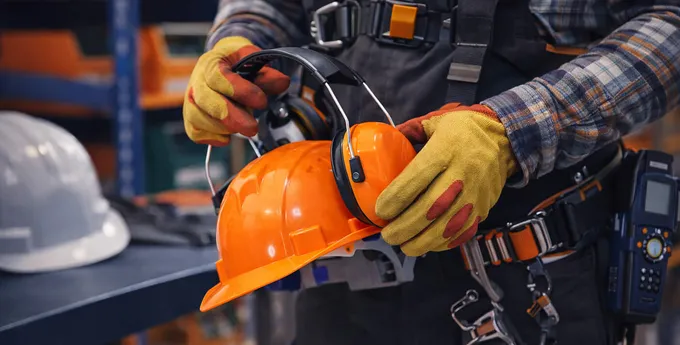
In our shop you will find trusted workwear, PPE and accessories you need for safe work. We offer products chosen by professionals from construction, logistics and industry.