User Panel


Advice
Search

Arina
VCA / SCC / BHV Department
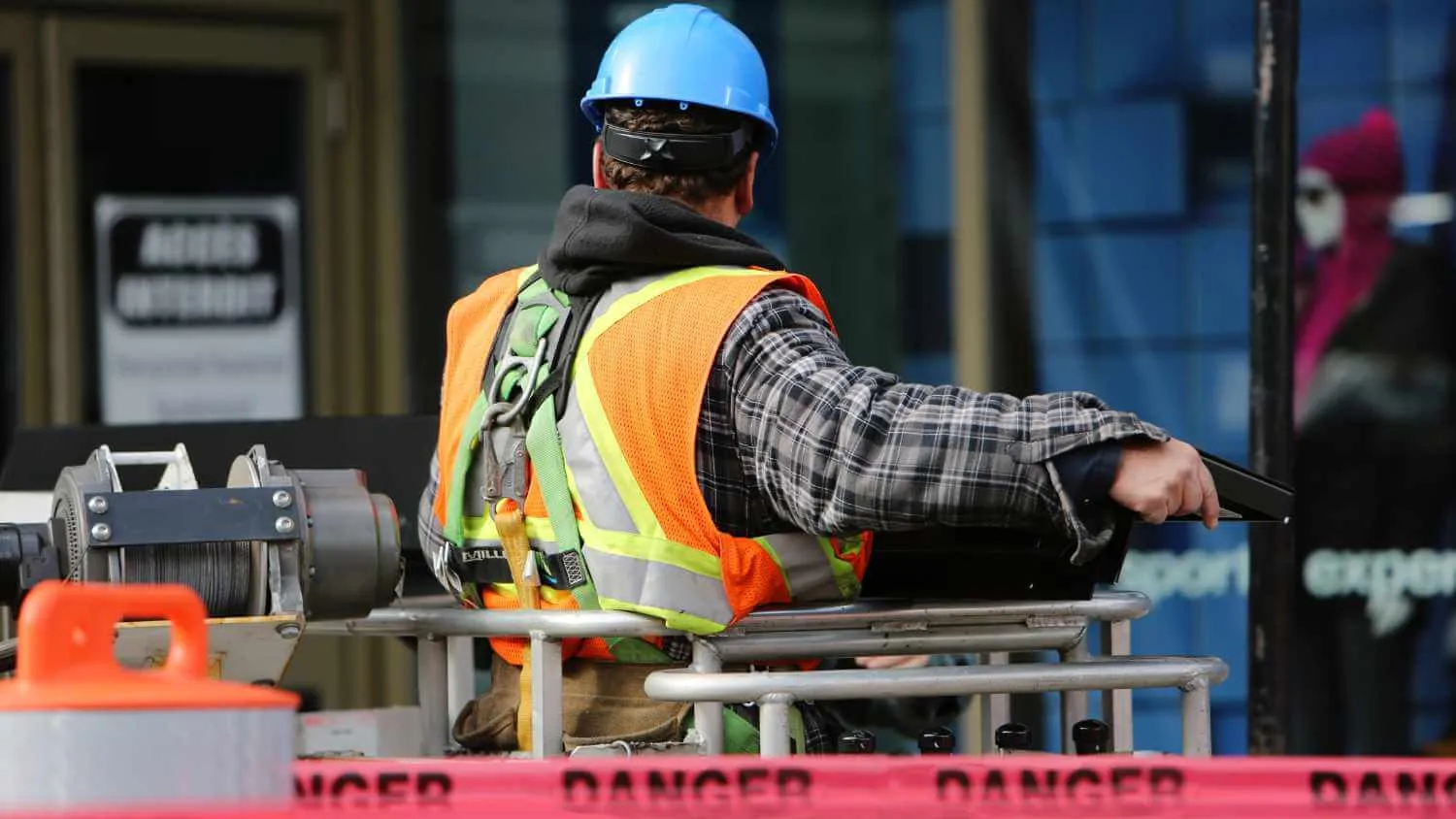
Would you like to work in the Netherlands? Great! It’s a country where skilled workers are always in demand. Stable working conditions and attractive salaries are key advantages - but not the only ones - that draw Poles to the land of tulips and windmills. If you’re looking for a job on a construction site or in a factory, you’ve probably come across the term “VCA/SCC certificate.” Find out what it is and how you can get one. Above all, learn how to verify that your VCA certificate is authentic.
What is a VCA certificate, and what types are there?
What are the differences between a VCA certificate and an SCC certificate?
How can I obtain a VCA Basic certificate?
How can I verify that a VCA certificate is authentic?
Why should you choose the VCA course and exam in the Netherlands - at the Bonapi Training Center?
VCA is a safety management system applicable in the Netherlands and Belgium. The acronym stands for the Dutch phrase “Veiligheid, Gezondheid en Milieu Checklist Aannemers,” which translates to “Safety, Health, and Environment Checklist for Contractors.”
Under the Dutch system, employees and subcontractors must hold the appropriate certifications authorizing them to perform their duties. This is particularly important for high-risk occupations (e.g., in the construction or petrochemical industries), where hazardous situations are more common than in other roles.
It is worth noting that, in the Netherlands, an increasing number of employers require the VCA certificate. In many places, it is even a prerequisite for starting work. This document is valid not only in the Benelux countries but also in other European Union member states. It is recognized, for example, in Germany, Austria, Switzerland, and Scandinavia. There are several types of VCA certificates:
Basis-VCA – for so-called front-line employees, i.e., those who perform basic tasks,
VOL VCA – for those who supervise other employees, managers, and business owners,
VIL VCA – for employees of temporary staffing agencies.
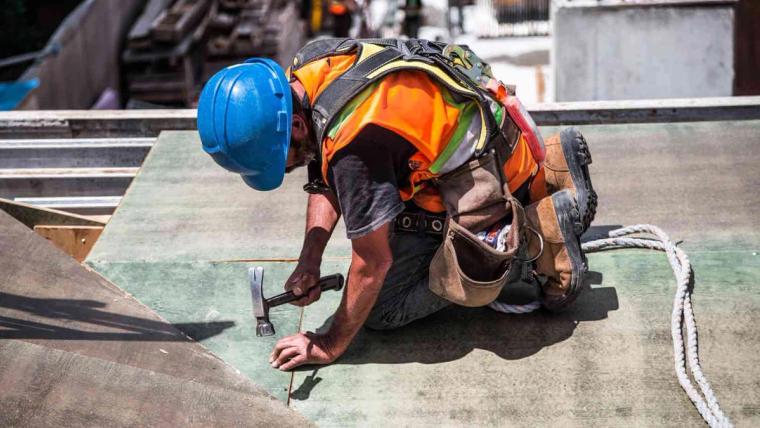
The SCC certificate, on the other hand, is the German equivalent of the Dutch VCA certificate. The acronym stands for “Sicherheitszertifikat für Auftragnehmer” (Safety Certificate for Contractors). It also covers safety, health, the environment, checklists, and subcontractors.
It is a document accredited by the German institute VAZ/DAkkS. It is mandatory and accepted in countries such as Germany, Austria, and other European Union member states. This applies to sectors where high-risk activities are carried out. What, then, is the difference between the VCA and SCC certificates? And why do employers in the Netherlands often require Dutch qualifications and do not accept German ones?
First of all, the VCA system has a centralized database, which allows for quick and easy verification of the authenticity and validity of each VCA certificate. The SCC system does not have such a database. In addition, a legislative change took place in the Netherlands in January 2022. Now, the employer is responsible for verifying and accepting safety certificates other than the VCA. As a result, contractors are increasingly refusing to accept the SCC certificate and insisting exclusively on the VCA. And they have every right to do so!
If you wish to obtain the VCA Basis certificate, you must pass the official exam. This is preceded by a one-day course on topics related to occupational health and safety. After the course, you will take a computer-based exam consisting of 40 multiple-choice questions. You have 60 minutes to complete the test. Attending the course is not mandatory, but our experience shows that the pass rate is significantly higher among course participants than among those who decide to take the exam directly without attending the course.
If the exam result is positive (a minimum of 65%, i.e., 26 correct answers), the candidate is awarded the certification. The certificate is registered in the official database of all VCA certificates in the Netherlands. The VCA certificate, bearing the VCA logo, is issued in digital format by an examination institute accredited by SSVV (Stichting Samenwerken voor Veiligheid). It is valid for 10 years. In addition to the certificate, a plastic VCA card is also issued.
Unfortunately, the trade in fake VCA and SCC certificates is booming. This is especially true online and on social media (Facebook, Instagram), where you can easily fall prey to scammers. So, make sure your documents are authentic. Otherwise, you risk facing a number of unpleasant consequences, such as a criminal complaint for fraud or losing your job.
We’ll show you how to verify that your VCA certificate is authentic. Below is a list of the most important steps.
Verify the organization or person administering the VCA certification exam. Visit their website, read student reviews, and check how long they’ve been in business. Pay attention to how they respond to questions asked by phone or email.
You must pass the exam (rather than simply paying someone to issue you a certificate). The exam is always conducted in the presence of an examiner representing the authorized testing center. The exam can only be taken in person. It is not possible to take it by mail or online. You must present your ID card, as you are only permitted to take the exam with a valid form of identification.
After passing the exam, each candidate receives a VCA certificate with a unique identification number. The certificate can be verified on the website www.cdr.ssvv.nl. After entering your name and date of birth or certificate number, you will have access to all relevant information.
Check whether the training center where you wish to take the course is listed on the special list compiled by the SSVV, which you can find below. This is a list of centers authorized to organize courses, but not to issue VCA certificates. More information can be found at www.vca.nl.
Source: https://www.vca.nl/home/news/schijnveiligheid-wat-er-aan-de-hand
VCA and SCC courses and exams can be taken in both Poland and the Netherlands – at authorized centers. If you’re wondering which country to choose for training, we suggest that the Netherlands is definitely the better option. Why? First of all, because of the price. In Poland, the cost of the VCA Basic course and exam is currently around 1,500–1,600 PLN. In the Netherlands, prices range from 150 to 250 euros. You’ll also pay less for a retake exam here. The course content and exams are identical, but the higher prices in Poland are mainly due to the cost of having an SSVV-accredited examiner present. See what the VCA Basic course in the Netherlands looks like with us.
We are a certified training center, so we are authorized to issue VCA certificates and cards, as well as SCC certificates. At Bonapi-at our headquarters in Spijkenisse, the Netherlands- the VCA Basic, SCC017, and SCC018 courses and exams are conducted in Polish. If you don’t pass, you can take a retake exam without having to repeat the course. Although many myths have emerged regarding the difficulty of the VCA and SCC exams, don’t worry. In reality, the fear is often exaggerated.
Our instructors ensure a positive atmosphere and a solid foundation of knowledge- both practical and theoretical. Thanks to a specialized training program, our students acquire the necessary information and skills in an easy and enjoyable way. Above all, they are thoroughly prepared for the exam, as evidenced by the high pass rate at our center.
So, if you want to start working in the land of windmills and tulips in sectors such as construction, petrochemicals, heavy industry, or many others, get your VCA certificate with us. The cost of the VCA course and exam will pay for itself quickly. With these additional qualifications, you’ll open the door to the Dutch job market, paving the way for high earnings and a secure job. Don’t wait. Contact us today and secure your future and that of your loved ones.


Author:

Arina
Dział VCA / SCC / BHV

Author:

Cezary
IPAF / SOG Department
In our shop you will find trusted workwear, PPE and accessories you need for safe work. We offer products chosen by professionals from construction, logistics and industry.