User Panel


Safety at Work
Search

Arina
Dział VCA / SCC / BHV

Personal protective equipment in the Netherlands, or persoonlijke beschermingsmiddelen (PBM), is part of everyday life in construction, logistics, manufacturing, agriculture and technical work. For the worker it means protecting their health, and for the employer it is a concrete obligation arising from occupational health and safety rules. Whether you already work in the Netherlands or are only planning to go, knowing about PPE helps you avoid misunderstandings, being refused access to work and real hazards.
Personal protective equipment, or PPE for short, is equipment worn or used by a worker to protect against risks to health and safety. In the Netherlands you will most often come across the term PBM, from persoonlijke beschermingsmiddelen. In English-speaking companies you may also see the abbreviation PPE, meaning personal protective equipment.
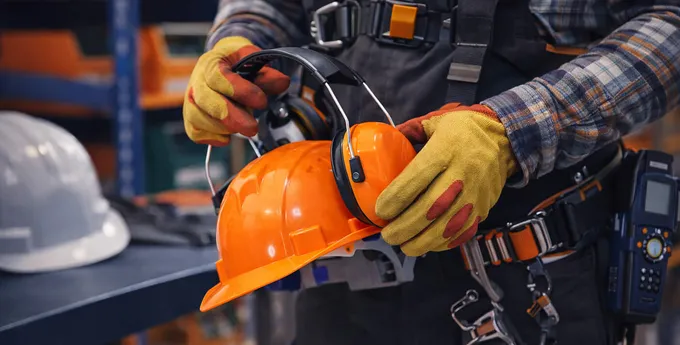
PPE, or PBM, includes, among other things, a safety helmet, goggles, gloves, boots with a protective toecap, a high-visibility vest, a dust mask, hearing protection, flame-retardant clothing, a harness for working at height or a chemical-resistant coverall. Not every piece of work clothing is personal protective equipment, however. A shirt with the company logo may be a uniform, but it does not necessarily protect against a specific risk.
PBM is used when a hazard cannot be fully removed by other means. First the risk is reduced at the source, through work organisation, machine guards, ventilation, collective safeguards or a change in the method of doing the task. Only when these measures are not enough should the worker use appropriate PPE.
In the Netherlands, workplace safety is treated very practically. On many building sites, in warehouses and in industrial plants you will not be allowed on site without basic equipment, even if the work only lasts a few minutes. A helmet, safety boots and a high-visibility vest are often standard on entry, and the detailed requirements depend on the position.
If your agency or employer tells you that veiligheidsschoenen, veiligheidshelm or gehoorbescherming are required, do not treat this as a suggestion. It is part of being allowed to work and part of the rules that apply on that particular site. Someone who uses their equipment correctly earns the trust of their supervisors more quickly.
Dutch rules are based on the Arbowet, the working conditions act, and the Arbobesluit, the implementing regulation. In the case of PBM, the employer must assess the risk, select the right protective equipment, make it available to the worker and ensure that it is used.
The employer's duties include:
The worker also has duties. You must use the PBM you have been given, report damage and not modify the equipment on your own. If you are given hearing protection but do not put it on in a noisy area, the problem does not lie solely with the company. In the event of an inspection or an accident, failing to use PBM can have consequences for both the employer and the worker.
The choice of PBM should not be random, because the same type of work may require different protection depending on the environment. One kind of gloves suits sharp edges, another suits chemicals, and yet another suits high temperatures. Likewise, a dust mask does not replace protection against gases, and ordinary safety glasses are not always enough when working with flying particles.
The starting point is a risk analysis. The employer should determine what hazards occur at the workstation and what measures are needed. What counts includes, among other things: the type of hazard, the duration of exposure, the working conditions, the size of the equipment, comfort, adjustability and compatibility with other items of equipment.

The most common PBM includes:
You can find equipment and personal protective gear for sale at our Bonapi Safety Shop.
Personal protective equipment sold and used in the European Union must meet the requirements of product safety regulations. In practice, the worker should pay attention to the CE marking, the instructions for use and the intended purpose of the equipment. The appearance of the product alone is not enough.
PBM is divided into risk categories.
Do not use random equipment instead of PBM chosen for the job. A cycling helmet is not a construction helmet, prescription glasses are not safety goggles, and an ordinary mask does not always protect against dust or fumes.
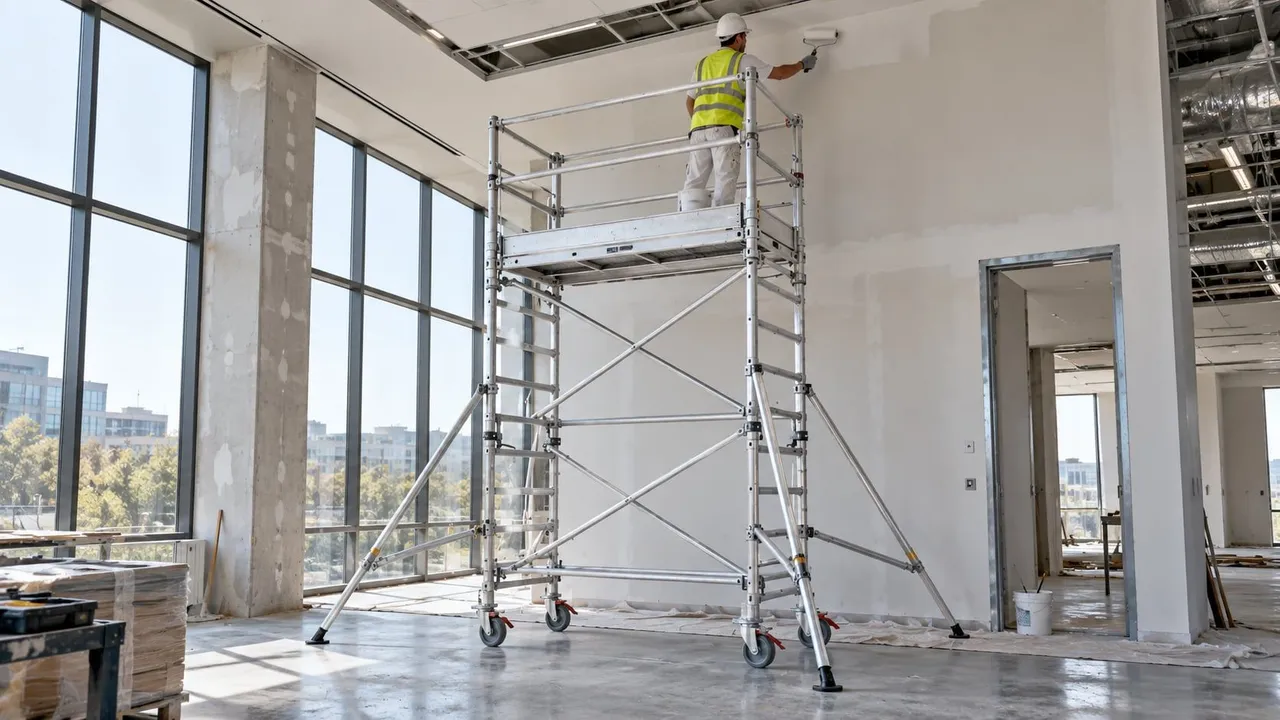
In construction, the basics are usually a helmet, safety boots, high-visibility clothing, gloves and glasses. For work at height, a harness, lanyard, shock absorber, anchor points and rescue procedures are added. For cutting, drilling and grinding, you need to select protection for the eyes, face, hearing and airways.
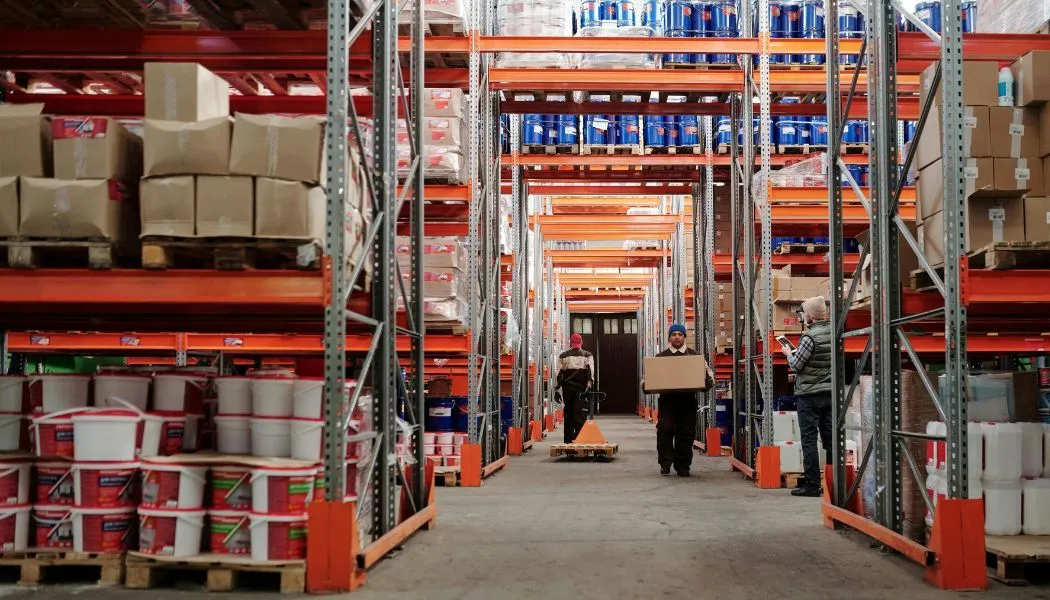
In logistics and warehouses, safety boots, high-visibility vests, gloves and rules for moving near forklifts are very important. An order picker, a forklift operator and a person at the loading dock may have different requirements, even though they work in the same hall.
In manufacturing and industry, the choice of PBM depends on the machines, noise, temperature, dust and substances used. On production lines you often see hearing protection, glasses, gloves suited to the task and work clothing that complies with the plant's rules.
In agriculture and horticulture you will encounter protection against noise, dust, moisture, sharp tools and chemicals. In seasonal work, workers often neglect gloves, glasses or masks because the tasks seem simple. That is a mistake, especially with spraying, cleaning machines and working in a greenhouse.

Most problems arise not from a lack of equipment but from using it incorrectly. A worker gets glasses but pushes them up onto their forehead. They have gloves but use them for a task where they could be pulled into the moving parts of a machine. They are given hearing protection but take the plugs out, because “it's only for a moment”.
Common mistakes include using damaged equipment, the wrong size, mixing incompatible items, modifying PBM on your own, using private equipment without approval, and failing to clean and store it after work. If the equipment is uncomfortable or gets in the way, report it. Quietly ignoring the rules increases the risk and can end in being removed from work.
Do not start work if the required protective equipment has not been provided or is damaged. Report the problem to your supervisor, coordinator, foreman or the person responsible for health and safety. It is best to do this straight away and specifically: say what is missing, what equipment is damaged and for which task it is needed.
You can say: “I don't have safety glasses for grinding”, “My gloves are cut”, “The mask doesn't seal” or “The hearing protection is damaged”. The employer should replace the equipment, explain the rules or reorganise the task if the risk is not under control.
Personal protective equipment works when the worker understands the risk and knows how to use the equipment in practice. If you lead a team, are preparing workers to go abroad or want to raise the health and safety standard in your company, invest in training tailored to real tasks.
Bonapi runs training for workers and groups, including practical safety preparation and EHBO (first aid). Check out Bonapi's training for workers and train your team in a way that is clear, concrete and easy for workers to understand.
Follow Bonapi's social media profiles or sign up for the newsletter to receive practical materials about work, training and safety.

Author:

Arina
Dział VCA / SCC / BHV
Author:
Arina
Dział VCA / SCC / BHV

Author:
Arina
Dział VCA / SCC / BHV
In our shop you will find trusted workwear, PPE and accessories you need for safe work. We offer products chosen by professionals from construction, logistics and industry.