User Panel


News
Search
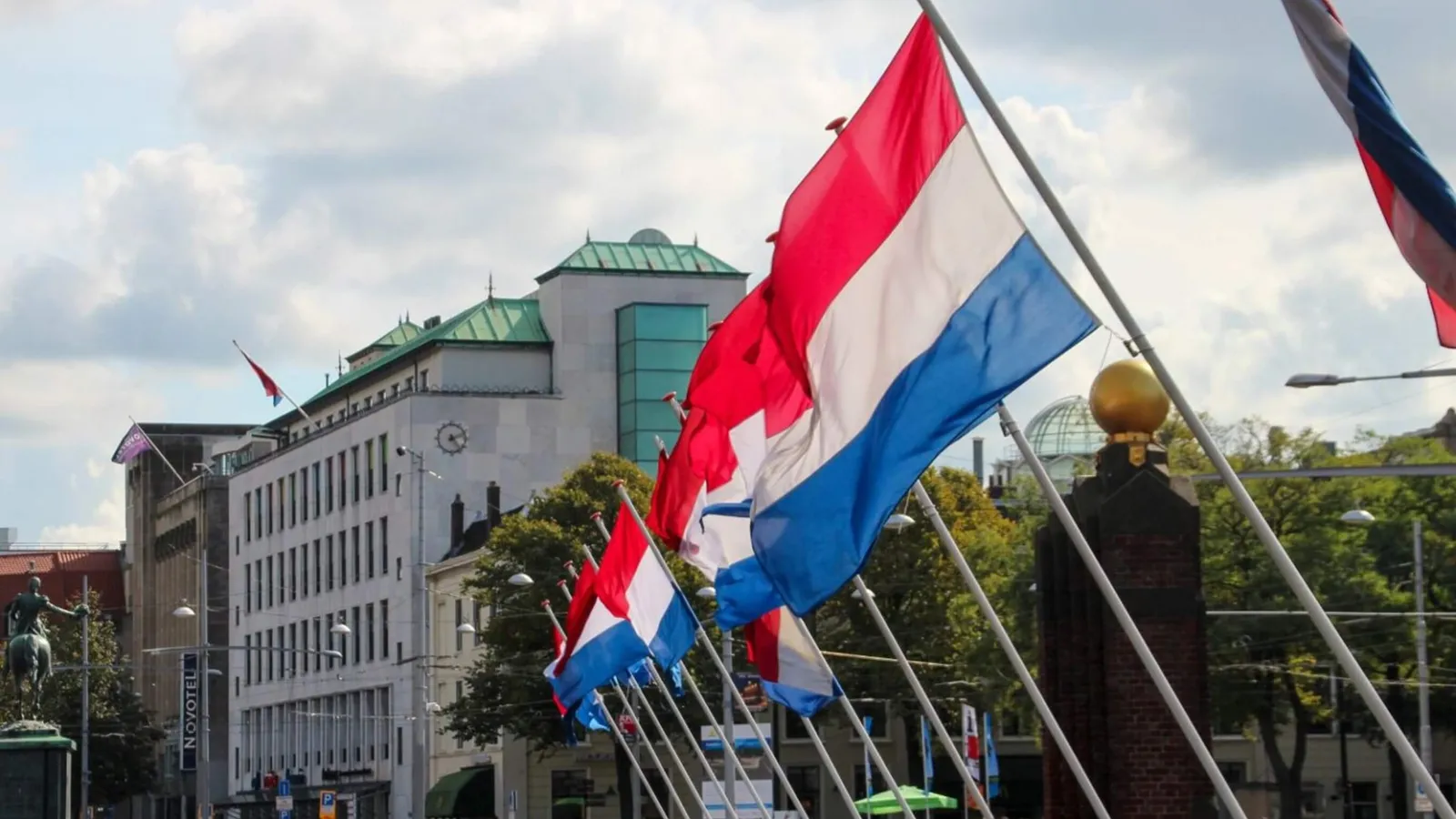
The Netherlands is known for having one of the most employee-friendly labour systems in Europe. Whether you're already working in the Netherlands or just planning to start, it’s essential to know your rights – from minimum wage and working hours to holidays and severance pay. Understanding Dutch labour law will help you avoid unpleasant surprises and give you a clear picture of what to expect from your employer.
Every employee in the Netherlands – whether on a permanent, temporary or agency contract – is entitled to basic legal protections. Employers are required to provide fair wages, adequate rest periods, and a safe, non-discriminatory work environment. If you feel your rights are being violated, you can report the issue to the Dutch Labour Inspectorate (Inspectie SZW).
A standard full-time workweek in the Netherlands is 40 hours. However, in some sectors, this may be reduced to 36 or 38 hours. Dutch labour law sets clear limits on how many hours you can work:
Employers are not allowed to require regular overtime beyond these limits. Keep in mind that consistently working overtime may push you into a higher tax bracket, resulting in a higher end-of-year tax bill.
Yes – but how overtime is compensated depends on your employment contract or collective labour agreement (CAO). In some companies, overtime is paid at 125–150% of your normal hourly rate. In others, you may receive extra time off instead of additional pay.
The Netherlands has a clearly defined statutory minimum wage, which varies by age and employment type. As of January 2024, employees aged 21 and over must earn at least €13.27 gross per hour based on full-time employment.
No. If you’re being paid less than the legal minimum, your employer is breaking the law. In such cases, you have the right to claim the unpaid wages. The Dutch Labour Inspectorate actively checks whether companies comply with minimum wage rules.
If you work full-time in the Netherlands, you're legally entitled to a minimum of 20 paid holiday days per year. However, many sectors offer more, especially if a collective labour agreement applies.
Other types of leave include:
There are several types of contracts under Dutch law:
If you're employed via an employment agency, you have the same rights as regular employees, including access to bonuses and expense reimbursements. Your working conditions are governed by the collective labour agreement for temporary workers, so it’s worth reviewing your entitlements.
In the Netherlands, an employer cannot simply fire you without valid grounds. Termination must be justified – for example, due to redundancy, serious misconduct, or long-term illness.
Your notice period depends on how long you’ve been with the company:
Employees dismissed in the Netherlands are generally entitled to a transition payment (transitievergoeding). This is calculated at one-third of your monthly salary for each full year of service.
Dutch labour law offers strong protection for employees – but knowing your rights is key to avoiding exploitation and making informed decisions about your career. If you’re unsure about your situation, don’t hesitate to contact the Dutch Labour Inspectorate (Inspectie SZW) for support.
Working in the Netherlands and want to learn more about your rights? Follow our blog for regular updates and practical tips on working and living in the Netherlands!


Author:

Arina
Dział VCA / SCC / BHV


Author:
Arina
Dział VCA / SCC / BHV

In our shop you will find trusted workwear, PPE and accessories you need for safe work. We offer products chosen by professionals from construction, logistics and industry.