User Panel


News
Search
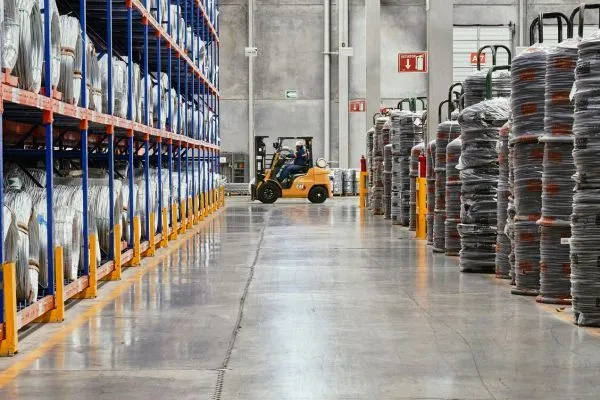
In many sectors in the Netherlands, it is becoming increasingly difficult to find employees with up-to-date authorisations and practical qualifications. This applies especially to logistics, production, warehouses and the technical sector, where quickly getting an employee ready for work is crucial. That is exactly why more and more companies are using the SOOB programme, which makes it possible to receive funding for vocational training and courses that improve employees’ skills.
If you run a transport or logistics company, or employ operational workers, it is worth finding out how the SOOB subsidy works, who can use it and which training courses it covers. In practice, this can mean real savings for the employer and faster development of the team.
SOOB is a Dutch training fund operating in the transport and logistics sector. The name comes from the organisation supporting the professional development of employees in the transport and warehouse industries. The programme was created so that companies can invest in employee qualifications without bearing the full cost of training.
Funding covers, among other things:
In practice, the programme is intended to support workplace safety, reduce the number of accidents and increase employee competence in sectors where qualifications have a direct impact on safety and work efficiency.
The programme is mainly used by companies operating in the transport and logistics sector in the Netherlands. However, the possibility of receiving funding depends on several conditions, including the type of business activity and contributions paid into the relevant sector funds.
The subsidy is most often used by:
In practice, many companies use the SOOB programme to train new employees regularly or renew the qualifications of their current team.
The range of training courses covered by funding may change, so it is always worth checking the current conditions of the programme. In the logistics sector, training related to operating warehouse equipment and workplace safety is particularly popular.
The most commonly chosen courses are:
This is one of the most popular training courses in the logistics sector. Forklift operator qualifications are required in warehouses, distribution centres and production plants. Employers in the Netherlands pay attention not only to experience, but also to current certificates and knowledge of safety rules.
The training usually covers:
In many companies, a lack of appropriate qualifications means that an employee cannot be allowed to work with transport equipment.
Read about SOG specialized forklift training.
In logistics and warehouses, strong emphasis is placed on reducing the risk of accidents. That is why funding often covers training related to workplace safety, warehouse procedures and operating technical equipment.
Depending on the role, these may include training on:
In the logistics sector, staff turnover can be high, and onboarding new people generates costs. Funding allows companies to prepare employees for work faster while reducing training-related expenses.
The benefits are specific:
In practice, many companies treat training as part of the team’s long-term development, not merely as a formal obligation.
The procedure for obtaining a subsidy depends on the type of training and the current rules of the SOOB programme. In most cases, the training must be registered in advance and administrative requirements must be met.
The process most often looks as follows:
It is worth remembering that not every training course automatically qualifies for reimbursement. Both the scope of the course and the status of the company applying for support matter.
For several years, the Dutch labour market has clearly been placing greater emphasis on practical skills. Warehouses and logistics centres are increasingly using modern equipment, high-bay systems and automated solutions. This means employers are looking for people who can work according to procedures and safely operate transport equipment.
At the same time, workplace safety is becoming increasingly important. Companies are assessed on their procedures, the level of employee training and their ability to reduce accident risk. That is why regular training is no longer an extra - it is becoming a standard part of how a modern warehouse or logistics centre operates.
For employees, additional qualifications mean greater employment stability and opportunities for development. For employers, they mean a better-prepared team and a lower risk of costly operational mistakes.
When training is financed through a subsidy, the price of the course is not the only thing that matters. The organiser’s experience, the way the classes are delivered and how well the training reflects real working conditions are just as important.
It is worth checking:
For logistics companies, the possibility of organising training directly at the workplace is also very important.
Companies that regularly invest in employee qualifications usually build stable teams faster and reduce problems related to workplace safety. In the logistics sector, a well-trained forklift operator or warehouse worker has a real impact on the pace of work and the safety of the entire process.
The SOOB programme makes it possible to reduce the cost of such training, so it is worth checking whether your company can use it. In practice, it is a solution that helps develop employee skills while also preparing the company better for everyday operational challenges.
If you want to improve your team’s qualifications and check whether SOOB funding is available, it is worth starting with well-matched practical training.
👉 Check the forklift training courses and see how we can train groups or individual employees in line with the requirements of the logistics and warehouse sector.
Regular training increases workplace safety, helps onboard new employees faster and supports company growth. Follow Bonapi and the latest updates on courses and funding for the logistics sector in the Netherlands.

Author:

Arina
Dział VCA / SCC / BHV


Author:
Arina
Dział VCA / SCC / BHV
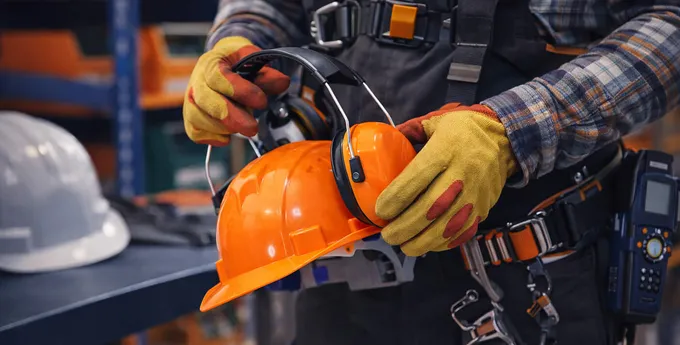
In our shop you will find trusted workwear, PPE and accessories you need for safe work. We offer products chosen by professionals from construction, logistics and industry.