User Panel


News
Search

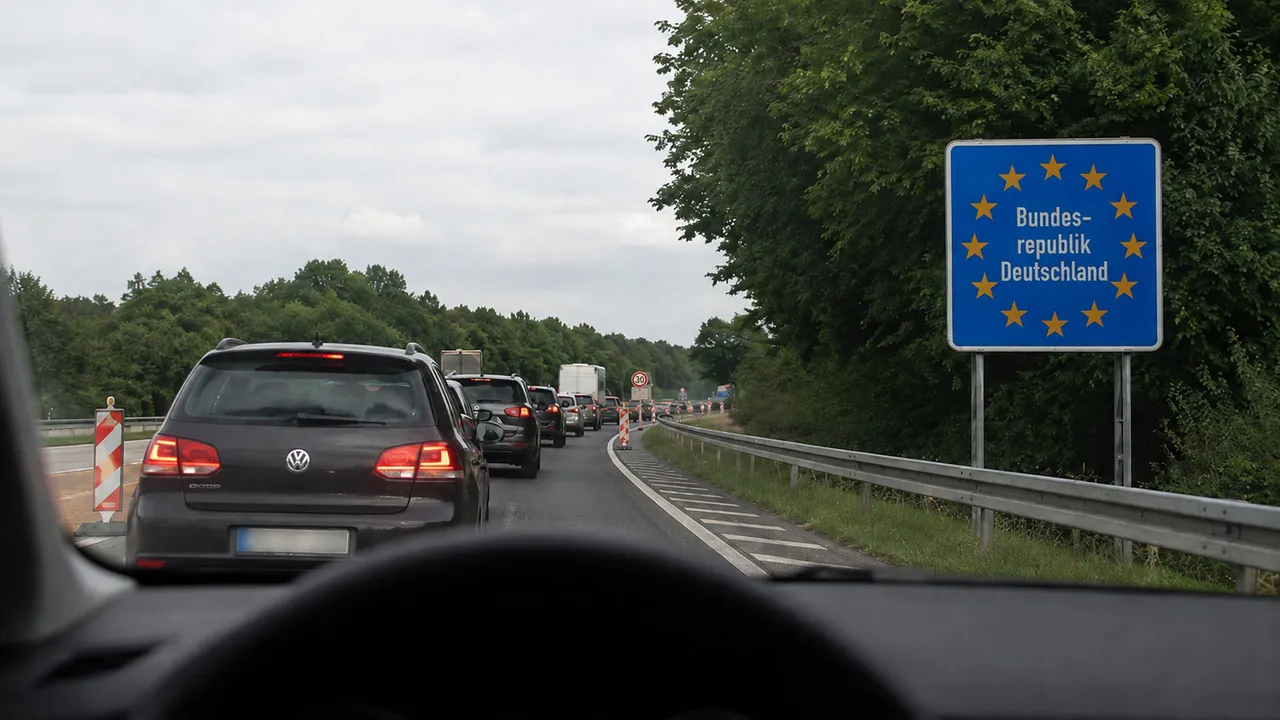
In 2025, adulthood in Europe is no longer a natural stage of life — it increasingly resembles a luxury commodity. Not because people don’t want to become independent, but because many countries lack the basic conditions that make independence possible. In major cities across Europe — from Amsterdam to Berlin to Copenhagen — finding a place to live has become a process comparable to applying for an elite program, rather than a normal step into adult life. Rental costs are rising faster than wages, and housing availability is so limited that even people with stable incomes often have no realistic chance of living on their own.
The Netherlands is now one of the clearest examples of this situation. In a country long known for its predictability and order, finding a place to live has become a challenge for people of every age group. In major cities, rental listings disappear within hours, and dozens of applicants can compete for the same apartment. The average rent in new contracts often exceeds €1,800 per month, and in many areas prices continue to rise. For thousands of residents, this means one thing: even a stable income is no longer enough to guarantee a place of your own.
Just a decade ago, buying a home still felt like a natural step into adulthood. Today, for many Europeans, it is a scenario that is far more theoretical than realistic. Property prices in countries such as the Netherlands, Germany or Austria have risen to levels completely detached from real life. Even with full-time employment and above-average salaries, purchasing a home now requires years of saving, a substantial down payment and the willingness to take on a mortgage that can stretch across decades.
In the Netherlands, the situation has become especially challenging. The limited supply of new housing, growing demand and relentless competition mean buyers often end up bidding against each other, pushing prices tens of thousands of euros above the asking price. Monthly mortgage payments can reach €1,500–€2,000, which for many people — especially younger generations — is simply unattainable. A new social group is emerging: those who would like to buy but cannot, and those who would like to rent but can no longer afford it. The system simply shrugs its shoulders.
The housing crisis is not just about walls, roofs and rent. It seeps into every aspect of life. A growing number of European adults live in a state of permanent suspension. Relationships function “at a distance” because there is no place to move in together. Decisions about having children are postponed because there is literally no space to raise them. Career or educational mobility becomes complicated, because changing cities often means losing your current home — and finding a new one is anything but guaranteed.
In many countries, particularly in the Netherlands, there is a rising perception that adulthood is no longer something you achieve through effort, but something you achieve through luck. People are beginning to realise that no matter how much they invest in their lives, their options are increasingly blocked by the lack of available homes. The most dangerous consequence is not frustration — it is the gradual loss of agency, the sense that the future can no longer be planned and that life unfolds in “temporary mode”, often for years.
Europe, once celebrated for its mobility and open opportunities, has found itself stuck. Many people turn down relocations, even when a new city could offer better prospects. Companies struggle to attract talent because candidates cannot secure housing anywhere near the workplace. In the Netherlands, there is a growing number of people staying in places they do not like — simply because they fear losing their current roof over their head.
This phenomenon affects not only individuals but also entire economies. Reduced mobility means less innovation, fewer talent exchanges and a slower pace of development. This is no longer just a housing problem. It is a structural problem with consequences for the whole continent.
The housing crisis of 2025 is difficult, complex and has no single simple solution. But the more we talk about the consequences of housing shortages, the more it becomes clear that people across Europe are uniting around the same basic needs: security, stability and the ability to start a normal life.
In the Netherlands, public debate is intensifying. More and more people openly argue that housing should not be a luxury, but a necessity — as fundamental as education or healthcare. Other European countries are slowly beginning to acknowledge the issue. There are early proposals, programmes and regulations on the table, but they remain a drop in the ocean.
One thing is certain: Europe cannot build a stable future without real, long-term solutions to the housing crisis. And societies that realise their voices matter are beginning to push for these changes.
In a world where living space is scarce, one thing remains true: skills are universal. They work in every country, every sector and every economic climate. If you’re considering a career change, looking for new opportunities or wanting qualifications that open doors across Europe, investing in yourself has never been more important.👉 Discover all Bonapi courses
Want to see what’s going on at Bonapi?
Behind the scenes, updates, promotions - follow us on social media!

Author:

Arina
Dział VCA / SCC / BHV


Author:
Arina
Dział VCA / SCC / BHV
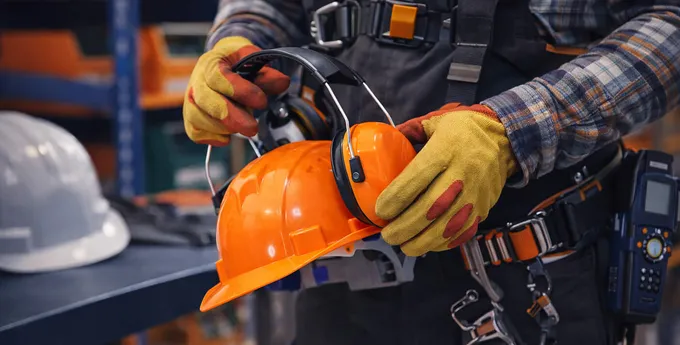
In our shop you will find trusted workwear, PPE and accessories you need for safe work. We offer products chosen by professionals from construction, logistics and industry.