User Panel


News
Search

The Netherlands is one of the countries that places particular emphasis on compliance with labour standards, including the accommodation conditions of temporary workers, especially foreign nationals. Due to the growing number of migrant workers – mainly from Central and Eastern Europe – inspections carried out by the Dutch Labour Inspectorate have become more intensive and systematic. What can workers and employers expect during such an inspection? What are its objectives, procedure and possible consequences?
The aim of labour inspections is to ensure compliance with labour law, health and safety regulations, minimum housing standards and legislation on the legality of employment. Particular emphasis is placed on the protection of temporary workers and the prevention of abuses such as:
The inspectorate checks whether employers are complying with both Dutch legislation and EU directives applicable to cross-border posted workers.
An inspection may be carried out at the workplace without prior notice. Inspection officers are entitled to:
Inspectors focus on whether employees are paid in accordance with the statutory minimum wage, are guaranteed daily and weekly rest periods, and are not forced to work beyond their capacity.
If irregularities are found, the employer may be required to rectify them immediately, and in more serious cases faces administrative or financial penalties, which can amount to tens of thousands of euros.
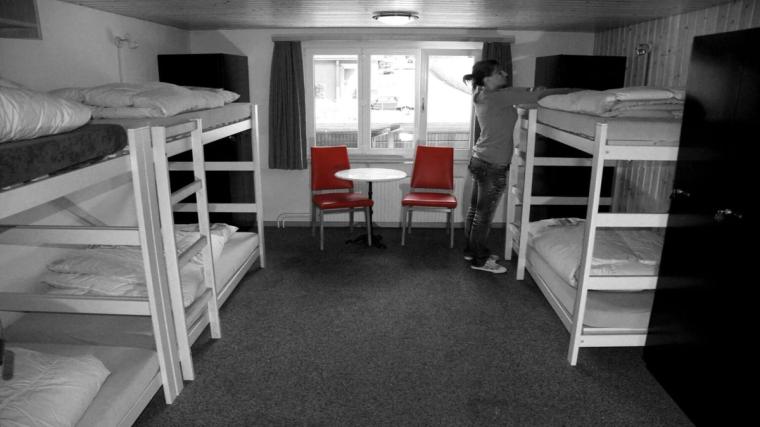
For those staying in accommodation provided by their employer or a recruitment agency, the inspection may also cover the flat or house in which they are staying. Employers who provide accommodation are required to comply with the minimum standards set by SNF (Stichting Normering Flexwonen), the foundation responsible for certifying accommodation for temporary workers.
The inspection checks, amongst other things:
Inspectors are also entitled to carry out inspections in the evening or at weekends, when workers are at home. They then check whether the conditions match the description provided by the agency or employer.
During an inspection, the inspector may request to see documents such as:
If necessary, inspectors may also interview witnesses, review CCTV footage or analyse data from access control systems.
If inspectors find any breaches, the employer or agency may face penalties:
In cases of serious abuse, such as forced labour, the inspectorate works in cooperation with the police, the immigration authorities and the public prosecutor’s office.
Employees have the right to report irregularities anonymously to the Nederlandse Arbeidsinspectie, including in their own language. Forms and guidance documents are available on the Inspectorate’s website in foreign languages, including Polish and English.
Importantly, the Inspectorate does not penalise employees for reporting irregularities. On the contrary, employees are protected against retaliation. So if working or living conditions are unacceptable, there is no need to remain silent – you can report the matter and get help.
The monitoring of working and living conditions in the Netherlands is a key component of the system for protecting workers, particularly those most vulnerable to exploitation. The inspectorate not only checks that employment is lawful, but also ensures that workers have decent living conditions, receive fair pay and are treated with respect.

Author:

Arina
Dział VCA / SCC / BHV


Author:
Arina
Dział VCA / SCC / BHV
In our shop you will find trusted workwear, PPE and accessories you need for safe work. We offer products chosen by professionals from construction, logistics and industry.