User Panel


News
Search
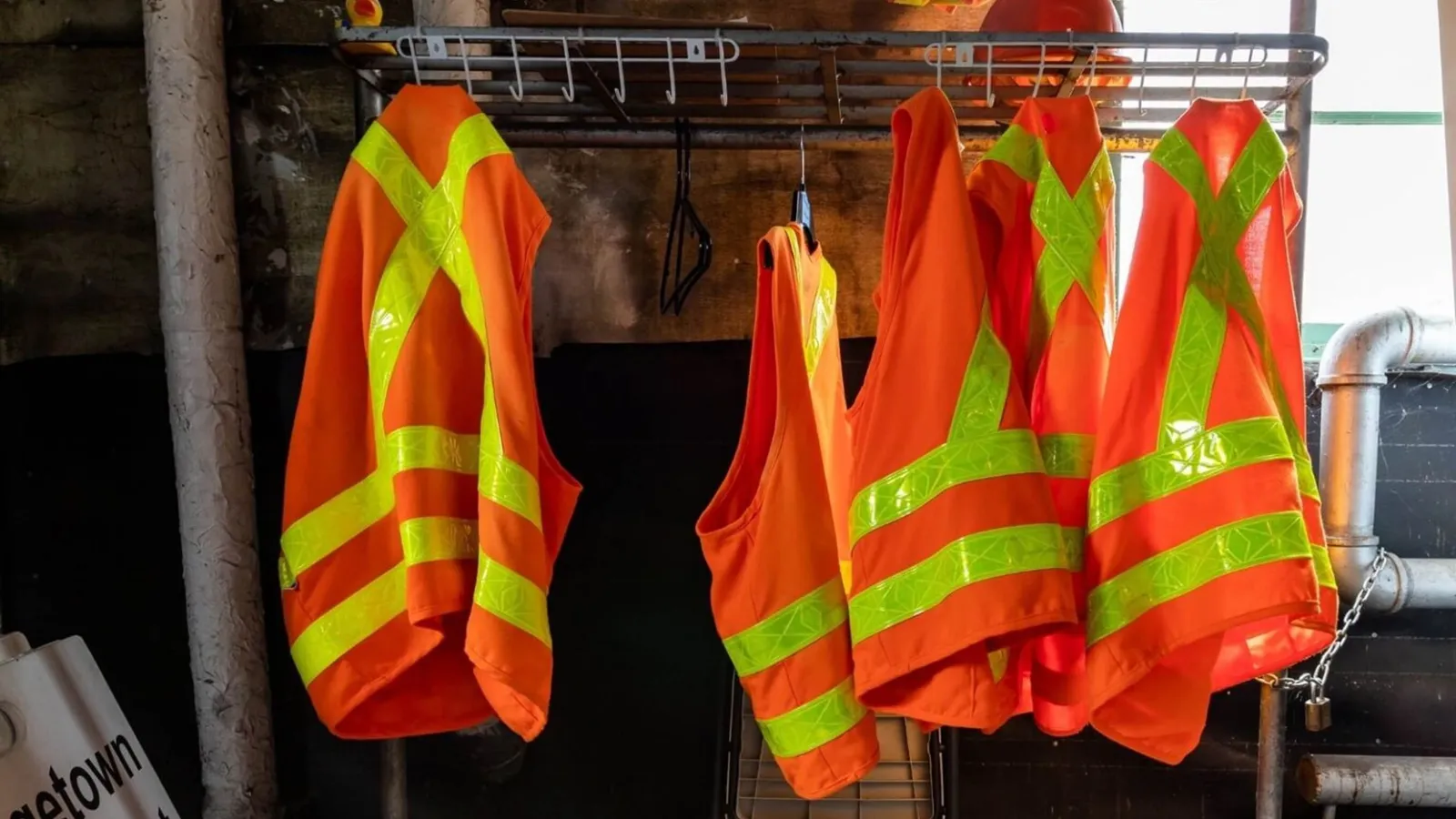
The VCA certificate (Veiligheid, Gezondheid en Milieu Checklist Aannemers) is an official document that confirms your knowledge of health, safety, and environmental regulations in industrial, logistics, and construction settings. It is required by many employers in the Netherlands and Belgium—especially in roles that involve higher risk and strict safety procedures.
People planning to work in these countries often wonder whether it's better to obtain the VCA certificate in Poland before leaving, or wait and get it after arriving in the Netherlands. Below, we outline the advantages and disadvantages of both options.
Learn more about what the VCA certificate is.
The biggest advantage of obtaining your VCA certificate before leaving Poland is saving time and being better prepared for work. Having the certificate upfront often increases your chances of getting better job offers—many employers prefer, or even require, candidates to already hold the VCA.
In Poland, VCA exams are conducted in Polish or with a Polish-speaking instructor, making the learning process and test-taking much easier. What’s more, the cost of the course and exam is usually lower than in the Netherlands, especially when you factor in the general cost of living.
For those who don’t yet speak Dutch or English at a communicative level, taking the course in Polish is simply less stressful and more effective. A certificate earned in Poland is equally valid—it’s recognized EU-wide and valid for 10 years.
One potential downside of taking the VCA course in Poland is the limited availability. Not every training provider is authorized to run courses with official international certification. Courses may be offered irregularly, and spots are sometimes limited.
Another drawback is the lack of opportunity to practise foreign-language skills. Basic technical vocabulary in Dutch or English is often needed on the job. For some, taking the course abroad might feel more motivating and better aligned with real working conditions.
Getting certified in the Netherlands has some practical benefits. Many employment agencies offer VCA courses and exams for their workers, often free of charge or with financial support. This is a convenient solution for those who want to avoid arranging everything themselves before leaving Poland.
Training takes place in the actual work environment, often using real-life examples and scenarios from the workplace. For people who already speak some Dutch or English, this is a great opportunity to expand industry vocabulary and get better prepared for everyday communication.
The biggest challenge is the language barrier. Although VCA exams in the Netherlands are available in several languages (including Polish), not all centres offer this option. In smaller towns, courses may be available only in Dutch or English, which can be stressful and may lower the chance of passing the exam.
Another downside is timing—the course and exam need to be arranged after arrival, which can delay your start date or limit your job opportunities. In some cases, temporary workers must follow the agency’s schedule and have little say in course timing. Additionally, the cost may be higher, especially if you need to pay for the course yourself.
There’s no one-size-fits-all answer. It depends on your individual situation, language skills, travel plans, and available budget. For those planning to move to the Netherlands and aiming for better jobs right from the start, earning the VCA certificate in Poland may be a smart move. It’s also a more comfortable option for anyone who prefers learning in their native language.
On the other hand, if you’re already working in the Netherlands, have agency support, and speak at least some English or Dutch, a local course may be more convenient—sometimes even free of charge. Just make sure the exam is conducted in a language you understand and that the certificate meets international standards.
In recent years, there has been a rise in fraudulent VCA certificates, particularly those issued in Germany. The SSVV (the Dutch organisation responsible for the VCA system) warns against organisations that provide invalid documents.
SSVV has published a warning about unrecognised German “BVCA” certificates. These documents may look official but are not accepted in the Netherlands.
Find out how to tell if a VCA certificate is fake.
Every valid VCA certificate is registered in the Central Certificate Register (CCR). You can check it for free here:
List of authorised VCA/SCC training organisations
To make sure your course leads to a valid certificate, check whether the training provider is listed on the official register:
👉 SSVV – List of approved VCA/SCC organisations
If you want to earn your certification while you're there, you can sign up for the VCA Basic course in the Netherlands.


Author:

Arina
Dział VCA / SCC / BHV


Author:
Arina
Dział VCA / SCC / BHV

In our shop you will find trusted workwear, PPE and accessories you need for safe work. We offer products chosen by professionals from construction, logistics and industry.