User Panel


News
Search
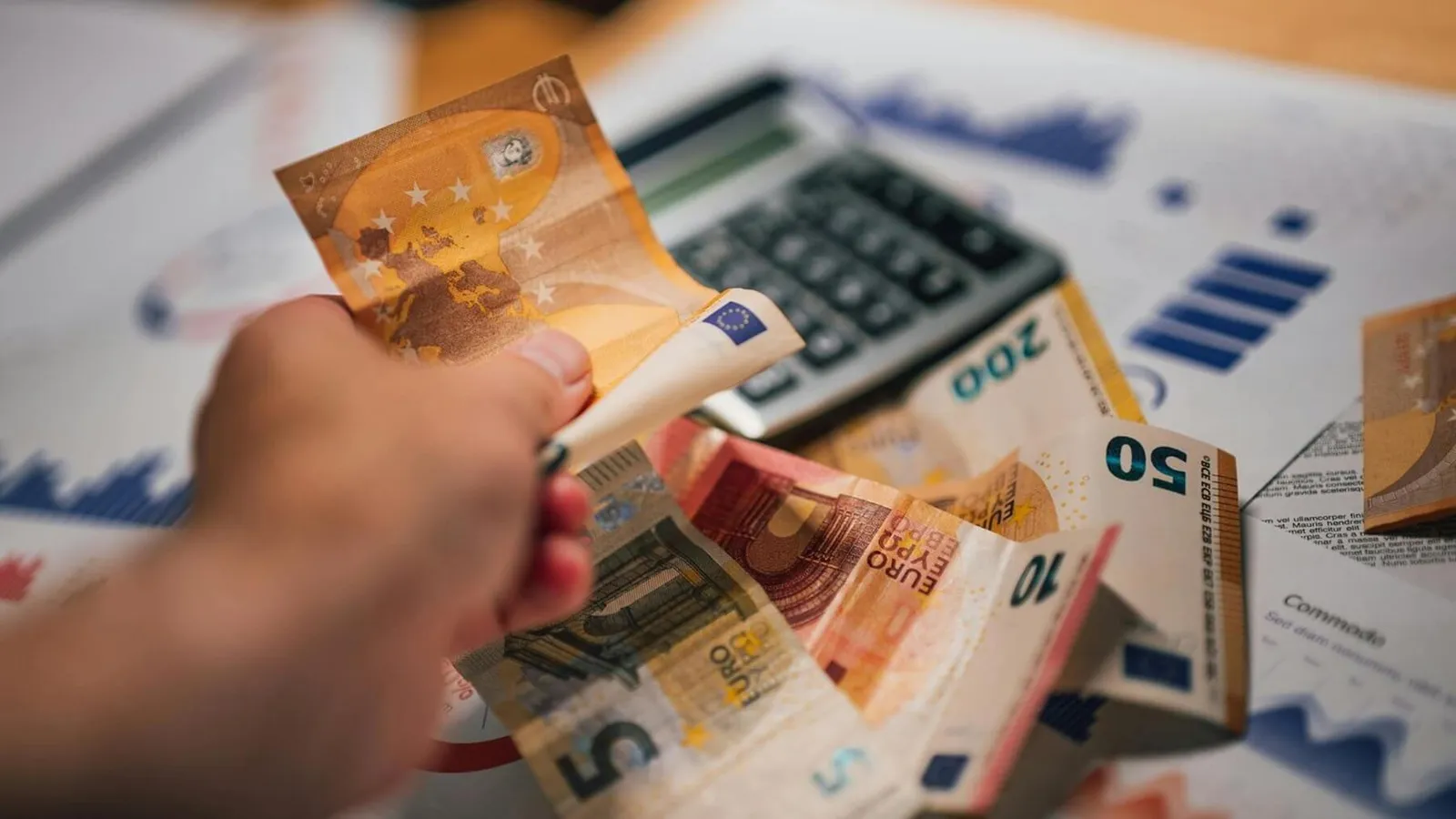
More and more people are choosing to work in the Netherlands – both seasonally and long term. While many formalities can be handled before departure, one of the first key decisions upon arrival is whether to open a Dutch bank account. For people working abroad, especially those paid weekly, having access to a local bank account can make life much easier. But is it really worth it?
Many employers in the Netherlands – especially temporary employment agencies – require their employees to have a local bank account. The reason is simple: domestic transfers are faster, cheaper, and more reliable than international ones. With a Dutch bank account, you can be sure your salary will arrive on time, without additional delays or currency conversion fees.
Some agencies offer assistance with setting up a bank account, but even if you're doing it on your own, the process is relatively simple. What’s more, having a local bank account can speed up obtaining your BSN (citizen service number), which is essential for formal employment.
Unlike many banks in Poland, personal accounts in the Netherlands are rarely completely free. The standard monthly fee ranges from €1.50 to €3.50, depending on the bank and service package. You may also be charged a small fee for issuing a debit card or using online banking services.
At first glance, these fees might seem off-putting, but in practice, they’re offset by the convenience and speed of service. With a Dutch bank account, you can easily pay by card in shops, shop online on local platforms, and use popular payment methods such as iDEAL.
To open a Dutch bank account, you’ll need a few basic documents. In most cases, the following will be required:
It's worth noting that not all banks require formal registration at an address – some (such as bunq or online versions of ING) allow you to open an account using a rental agreement or a temporary address.
The Netherlands offers several well-known and trusted financial institutions with clear rules and services available to non-Dutch citizens. The most commonly chosen include:
When choosing a bank, consider not only the fees but also the availability of English-language support, ease of account setup, and reviews from other expats.
Cash payments are becoming increasingly rare in the Netherlands – most transactions are made with a debit card or via iDEAL. The latter is one of the most popular payment methods in Dutch e-commerce and is available only to those with a Dutch bank account.
With a local account, you not only gain access to convenient payment methods, but also avoid situations where your foreign card is declined at a shop or ticket machine.
Many people working in the Netherlands still send money to Poland regularly, which raises the question: is it worth keeping your Polish account active? The answer is yes. It’s especially useful if you have financial obligations in Poland (like a loan or bills) or if your family lives there.
In this case, combining your Dutch account with services like Wise (formerly TransferWise) or Revolut is a great solution. These platforms offer low-cost international transfers and favourable exchange rates. This combination gives you flexibility – receive your salary locally and transfer part of it to Poland when the exchange rate is best.
Having a Dutch bank account is not just convenient – it's often essential. It ensures faster salary payments, easier shopping and rent payments, and access to the digital services commonly used in the Netherlands. Although there are small maintenance fees, the practical benefits far outweigh the costs.
If you're planning to stay in the Netherlands for more than a few weeks, don’t delay opening a bank account – it’s one of the smartest decisions you can make in your first days abroad. It will help you avoid payroll issues, save on currency exchange, and make it easier to integrate into your new surroundings.

Author:

Arina
Dział VCA / SCC / BHV


Author:
Arina
Dział VCA / SCC / BHV
In our shop you will find trusted workwear, PPE and accessories you need for safe work. We offer products chosen by professionals from construction, logistics and industry.