User Panel


News
Search
Across Europe, one direction has been clear for years: less waste, more recycling, and greater responsibility for packaging.The Netherlands was among the first countries to take this seriously, building a nationwide deposit return system that gives every bottle and can its own value - and a second life.The idea is simple but powerful: what used to be waste has now become a resource. A bottle is no longer just something you throw away -it’s part of a closed loop where every return counts. In the Netherlands, this model operates under the name Statiegeld Nederland and is considered one of the most efficient systems in Europe.
The mechanism is straightforward: when buying a drink, consumers pay a small deposit, which is fully refunded once the empty container is returned.
Currently, the following packaging types are included in the system:
The deposit amounts are clear and consistent:
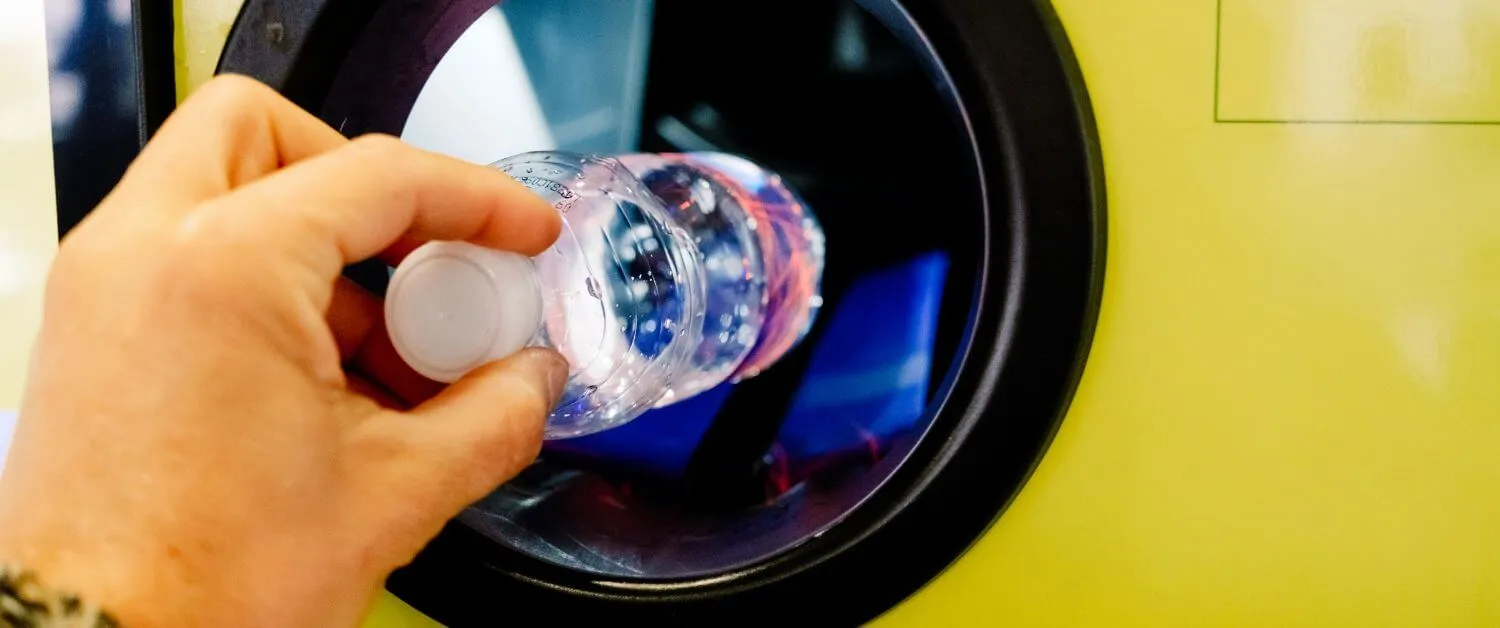
Returned containers are collected for recycling or reuse. Machines identify them by barcode, and the refund is issued instantly—either as a voucher redeemable at the checkout or as a donation to a chosen charity.
Return points are available in nearly all supermarkets and large retail stores. Reverse vending machines are easy to use, contactless, and the entire process takes only a few seconds.
This convenience has made the system part of daily shopping routines.
Today, the Dutch system covers over 90% of major retailers and includes more than 27,000 return locations nationwide. For most residents, returning bottles is as natural as picking them off the shelf.
The system’s efficiency exceeds 85–90%, and the return rate continues to rise.
According to environmental reports, since expanding the program to include cans and small bottles:
The system’s success is not based on strict regulations or penalties, but on its clarity and simplicity. In the Netherlands, no one wonders whether an empty bottle is trash—it’s understood to have value.
The deposit system is an example of responsible economics. Even a small deposit serves as a reminder that every product has a life cycle, and both producers and consumers share responsibility for it. This approach helps the Netherlands reduce the use of raw materials, support high-quality recycling, and minimize environmental impact.
Similar deposit systems operate successfully in Germany, Norway, Finland, and Lithuania.
Across Europe, the goal is the same: to build an economy where waste becomes a resource.
The Dutch experience shows that a deposit system is not just a bureaucratic requirement, but part of a sustainable lifestyle—one that turns environmental responsibility into a simple everyday habit.
In a world where even a bottle has its value, it’s time to remember your own. :)Instead of wondering where to return a can, invest a moment of your time in something that truly pays off.Like a course at Bonapi. Because investing in yourself gives the highest return on deposit.👉See all Bonapi courses
Stay up to date with what’s happening at Bonapi!
See behind the scenes of our courses, discover new trainings and promotions – click below and follow us on social media!

Author:

Arina
Dział VCA / SCC / BHV


Author:
Arina
Dział VCA / SCC / BHV
In our shop you will find trusted workwear, PPE and accessories you need for safe work. We offer products chosen by professionals from construction, logistics and industry.