User Panel


News
Search

Preparing for work in the Netherlands involves more than just logistics or learning basic phrases in Dutch. Increasingly, Dutch employers expect formal qualifications and certifications, especially in technical or safety-sensitive jobs. Having the right certificates can significantly boost your chances of employment, increase your hourly wage, and help you secure better working conditions. Depending on the industry, certain courses are even essential to begin working safely and legally.
Dutch employers value candidates who are well-prepared-not only in terms of practical skills but also in understanding workplace safety regulations. Holding certifications recognised in the Dutch job market shows that a candidate takes their work seriously, knows essential procedures, and is less likely to make mistakes or cause accidents.
Another important reason to complete training before departure is that many recruitment agencies require proof of completed courses (e.g. health and safety or forklift operation) during the hiring process. While some agencies do offer these trainings on-site, they may be delivered only in Dutch, incur extra fees, or be scheduled with delays-leading to gaps in employment.
The necessary training depends, of course, on the industry you plan to work in. Below are the most valued and commonly required courses for job seekers in the Netherlands:
VCA (Veiligheid, Gezondheid en Milieu Checklist Aannemers)
This is the most essential health and safety certification, required in technical, construction, industrial, and logistics sectors. The VCA Basic (B-VCA) certificate is widely recognised across the Netherlands and is often a prerequisite for working on construction sites, in warehouses, or in factories.
Forklift operator course (heftruckcertificaat)
Vital for jobs involving goods transport, order picking, or warehouse operations. Holding a valid forklift licence not only increases your employability but can also lead to a higher wage.
HACCP training
Recommended for those planning to work in food processing, hospitality, or agriculture. It teaches hygiene and food safety standards-closely monitored in the Netherlands.
Technical and industry-specific courses
For professionals such as electricians, plumbers, installation technicians, or welders, certifications aligned with EU standards-such as SEP, F-gas, or TÜV-are often preferred or required.
Dutch or English language courses
While not always formally required, basic language knowledge greatly improves workplace communication, enhances safety, and shortens the onboarding period.
Many of these trainings can be completed in Poland before moving abroad-often at a lower cost than in the Netherlands. Increasingly, Polish training centres offer certifications tailored to Dutch employer requirements. This is especially true for the VCA course, which is available in Polish and includes an online exam.
Forklift and HACCP courses are offered in multiple cities and often take place on weekends. They usually last from one to several days and tend to pay for themselves within the first month of employment due to better job offers and wages.
It’s also a good idea to contact your recruitment agency in advance-some offer internal training or cooperate with certified centres where courses are available at discounted rates.
When selecting training programmes, keep the following in mind:
Completing training before departure is more than a formality-it directly impacts your job security and comfort. Certified employees are often more favourably assessed by employers, integrate into teams faster, and feel more confident in new environments. Training in health and safety procedures also reduces the risk of accidents-especially important in high-risk sectors like construction and logistics.
In addition, holding the right certifications increases your chances of promotion or getting more work hours, which directly improves your income.
When planning your move to the Netherlands, it’s important to think beyond accommodation and paperwork-professional preparation matters, too. Completing essential courses like VCA, forklift operation, or HACCP can be key to landing better jobs, earning more, and working safely.
Approach this process strategically-choose courses tailored to your target industry and role. Investing in your qualifications before you leave pays off quickly-not only financially, but also by giving you a greater sense of confidence and control over your career abroad.


Author:

Arina
Dział VCA / SCC / BHV


Author:
Arina
Dział VCA / SCC / BHV
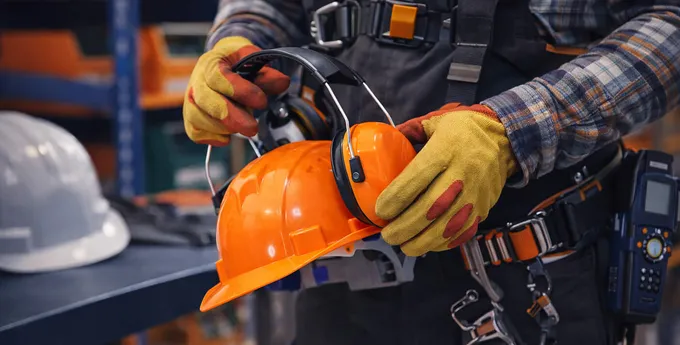
In our shop you will find trusted workwear, PPE and accessories you need for safe work. We offer products chosen by professionals from construction, logistics and industry.