User Panel


News
Search
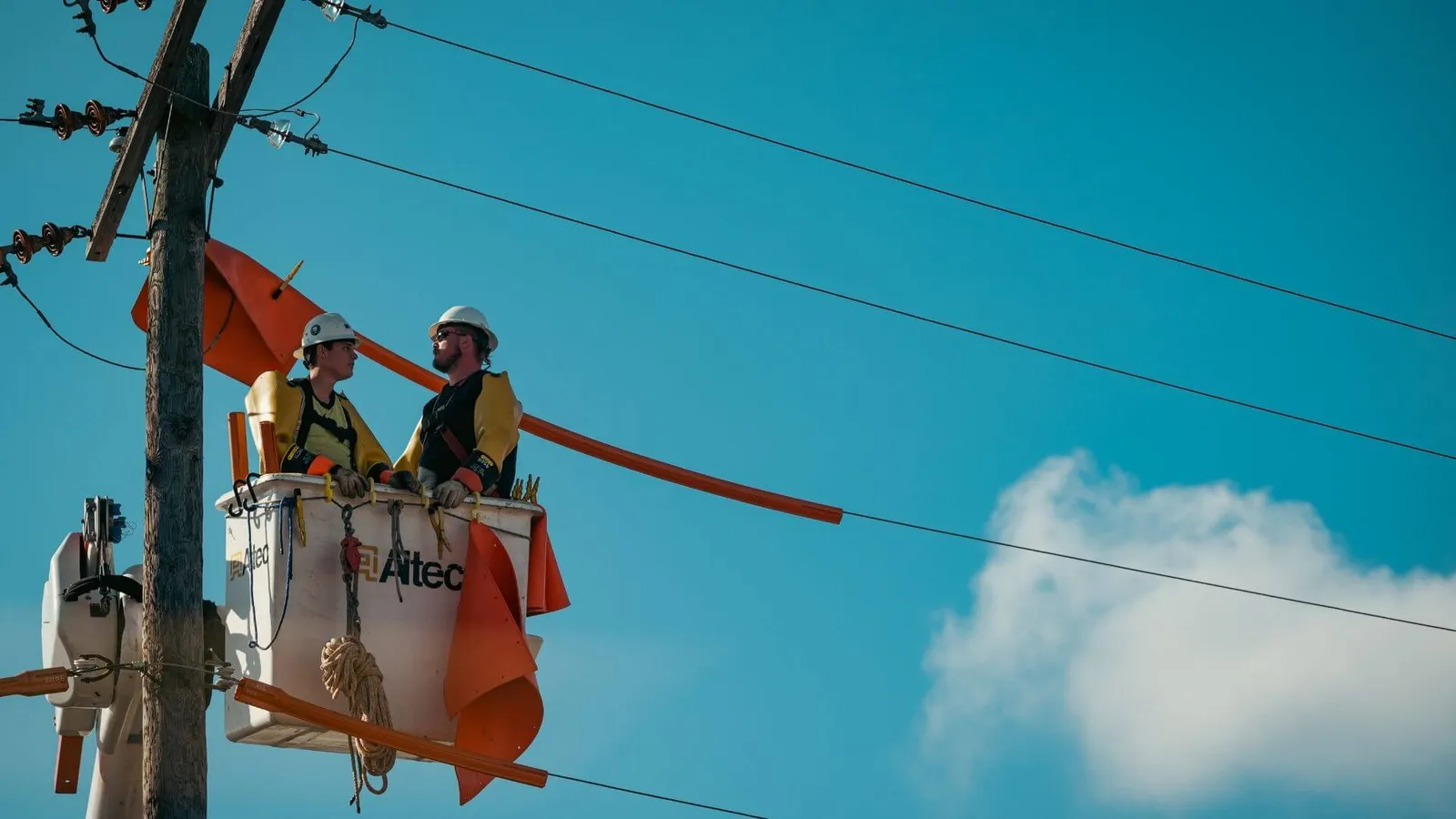
Working at height is one of those jobs that requires confidence, good physical condition, and real competence. In the Netherlands, it is part of everyday work on construction sites, in industry, logistics, installation work, and technical servicing. If you are considering this career path or want to prepare properly, it helps to know what the job looks like day to day and what employers expect.
Working at height includes any task performed above ground level where there is a risk of falling. In practice, this means working on scaffolding, mobile elevating work platforms, roofs, steel structures, and work platforms. Dutch safety standards are specific and strictly enforced, so every worker must know the procedures and be able to follow them.
Common tasks include scaffolding assembly and dismantling, construction and finishing work, electrical and ventilation installations, hall maintenance, and technical service jobs. No matter the sector, employers expect you to know how to protect yourself and the people around you.
A workday at height in the Netherlands starts well before you step onto scaffolding or a platform. Each shift begins with a toolbox meeting, a short team briefing where you review the tasks for the day, weather conditions, hazards, and individual responsibilities. This is standard in construction, industry, and logistics. Skipping it is treated as a breach of health and safety rules.
Next, equipment checks take place: the condition of the scaffolding, anchor points, collective protection systems, and personal protective equipment. The worker puts on the harness, lanyards, helmet, and other protective gear according to the site procedure. Only after this verification can the actual work begin.
Depending on the sector, the day can look different:
Working at height often involves installing structures, façades, roofs, technical systems, or prefabricated elements. Tasks can be repetitive, but they require constant awareness of your surroundings and the stability of the structure.
Work often includes maintenance of machinery, ventilation systems, cranes, or lighting systems, sometimes in restricted spaces and in close coordination with other departments.
Working at height can involve servicing high-bay racking, installing safety barriers, or fitting automated systems.
In areas such as PV installation or industrial systems, changing weather conditions and open-space work become a major factor.
No matter the industry, teamwork coordination matters a lot. When you work at height, you are responsible not only for yourself but also for people working below. Every movement, lifted element, and change of position needs to be predictable to the rest of the team. That is why communication, often non-verbal, is a key part of the workday.
The pace can be intense, but in the Netherlands nobody expects you to work faster at the expense of safety rules. Quite the opposite: stopping work because of a hazard is treated as responsibility, not weakness. Employers and inspectors make it very clear that safety is not negotiable.
This is exactly why people without preparation and training often drop out quickly. Working at height requires physical fitness, but even more it requires risk awareness, discipline, and the ability to follow procedures.
Not everyone feels comfortable several metres above the ground, and that is completely normal. In this job, what matters is not having a fear of heights, having stable movement, and being able to handle stress. Physical fitness is also important, because standing for long periods, carrying elements, or working in a harness can be tiring.
Soft skills matter too. Responsibility, hazard awareness, and the ability to react to changing conditions often determine whether someone will succeed in this role. You can build experience over time, but your approach to safety is the foundation.
Working at height in the Netherlands is regulated mainly by the Arbowet (the Dutch Working Conditions Act) and the Arbobesluit (the associated decree). These are not general guidelines. They impose specific duties that both employer and worker must meet at every stage of the job.
The key rules are in Arbobesluit, Chapter 7, especially Articles 7.23 and 7.24, which relate to working at height and fall prevention. Under these rules, the employer must:
This matters because in practice it means that simply having a harness is not enough. The worker must understand when and why a specific protection method is used, and what its limitations are.
Under Article 8 of the Arbowet, the employer has a legal duty to provide appropriate instructions and training, tailored to the type of work and the hazards involved. For working at height, this means:
The law does not specify one official certificate name, but it clearly requires workers to be competent and aware of the risks. That is why recognised industry training programmes exist in the market.
This is an important distinction:
It is not named directly in the law, but in practice it is the most common way to meet the employer’s training obligation under the Arbowet.
It is not legally required by statute, but in construction, industry, and logistics it is a market standard. Many companies and main contractors will not allow you on site without VCA, even if the law does not explicitly mention it.
In practice, that means the lack of a certificate often blocks access to work, even if the law does not list it by name.
Compliance is enforced by Inspectie SZW (the Dutch labour inspectorate). Inspections on construction sites and in industrial facilities are regular and often include:
If an inspector decides that a worker is not properly trained or is working unsafely, the consequences can include:
That is why Dutch employers prefer to hire people who already have the right training, rather than risk legal consequences and downtime.
A working at height course is not box-ticking theory. It prepares you for real situations. You learn how to identify hazards, choose and use personal protective equipment correctly, and move safely while working above ground.
A strong focus is placed on practice: fitting a harness, working with ropes, securing the work area, and responding to emergency situations. For an employer, the certificate signals that you know what you are doing and you are not putting the team at risk.
If you are looking for stable work in the Netherlands, scaffolding is one of the more promising specialisations. It requires more technical knowledge, but it is also better paid. A scaffolder is responsible not only for their own safety, but for the structure that other workers rely on.
A scaffolding course prepares you to assemble and dismantle different types of scaffolding, assess stability, and work according to the applicable standards. For many people, it is a natural next step after a working at height course.
Good preparation starts with a decision to work legally and professionally. It is worth investing in training before you travel or shortly after you arrive in the Netherlands. That helps you find work faster and reduces the stress of not having the right qualifications.
It is also worth building basic language skills and technical terminology, because you need to understand safety instructions without hesitation. Working at height leaves no room for misunderstanding or improvisation.
In the Dutch labour market, a certificate is a real advantage. Employers are more willing to hire prepared workers because it saves time and reduces the risk of accidents. For you, that means more offers, better rates, and a clearer development path.
In practice, training often opens doors to further assignments and specialisations. It is an investment that pays back quickly, both financially and in day-to-day confidence and safety.
If you are thinking about working at height or want to develop as a scaffolder, do not leave your preparation to chance. Proper training is the foundation of safe and stable work.
Building qualifications is a real step towards better work and more peace of mind. Follow Bonapi on social media or sign up for the newsletter to stay up to date with new training options and practical advice for people working in the Netherlands.
If you want to increase your opportunities on the Dutch job market, gain new qualifications, or organize your knowledge in a way that truly translates into safety and comfort at work—we invite you to join us. Training is not a cost. It’s an investment, one that very often begins where pressure ends.👉 Explore all Bonapi courses
Stay up to date with what’s happening at Bonapi.
Get a behind-the-scenes look at our courses, discover what’s new, and catch current promotions—click below and follow us on our social media channels.

Author:

Arina
Dział VCA / SCC / BHV


Author:
Arina
Dział VCA / SCC / BHV
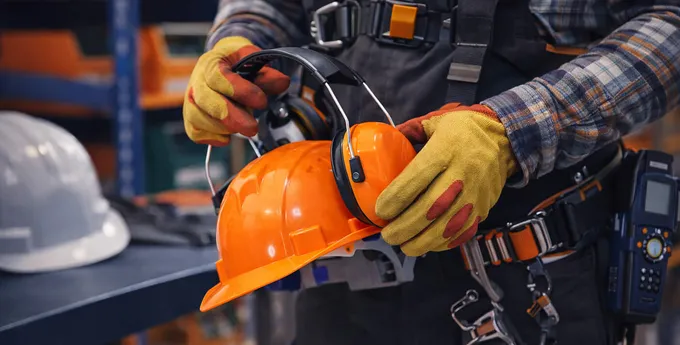
In our shop you will find trusted workwear, PPE and accessories you need for safe work. We offer products chosen by professionals from construction, logistics and industry.