User Panel


News
Search

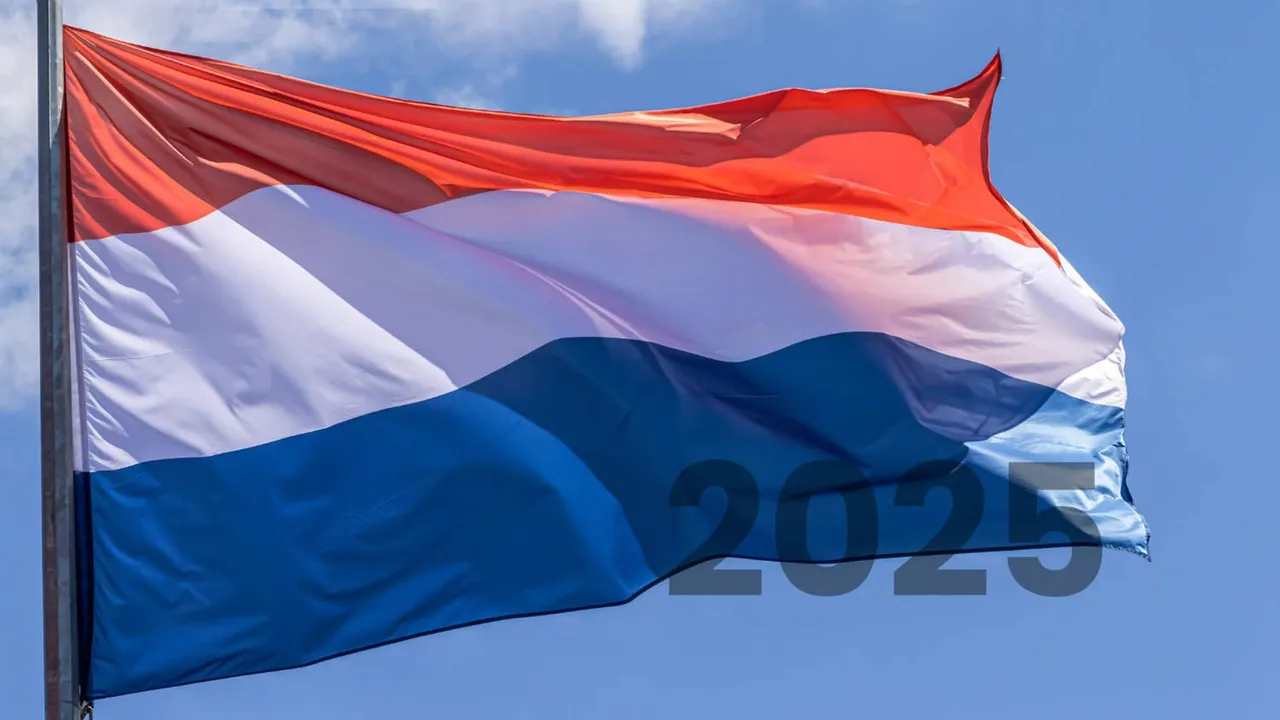
The Dutch are known as masters of work–life balance. A shorter workweek? For many, it’s simply everyday life. In the Netherlands, no one announced a revolution. There were no laws, no protests, and no slogans about “a new era of work.” The four-day workweek just... happened. Slowly, quietly, almost without anyone noticing.
The story began back in the 1980s, when more and more women entered the labour market and chose part-time work. That’s how the model of “one full-time job + one part-time job” was born — and with it, a culture that started to value free time as much as money.
Today, the average Dutch person works around 32 hours a week — the lowest figure in Europe. Among women, as many as 70% work part-time, and for many, the workweek ends on Thursday afternoon. Men are still more likely to work full-time, but even they are gradually reducing their hours. Across the country, nearly half of all employees (48%) work fewer than 35 hours per week.
Even those working full time average 39 hours per week — still less than in most EU countries. The result? The Netherlands not only maintains one of the highest productivity rates in Europe, but also consistently ranks among the top OECD nations for life satisfaction and work–life balance.
The four-day rhythm has proven especially successful in sectors where results matter more than hours behind a desk. Companies in IT, consultancy, finance, and the public sector increasingly offer shorter workweeks to attract talent and boost motivation. A symbolic example is AFAS Software, a Dutch IT company that, starting in 2025, will officially move to a four-day workweek with full pay.
For the Dutch, shorter working hours are not a luxury. They’re a natural step for a society that understands productivity doesn’t grow in proportion to time spent at the office. Here, success is measured not in hours, but in calm, health, and quality of life.
In practice, the benefits are easy to see. People have more time for family, sports, volunteering — for all the things that once had to wait until “after work.”
Studies by CBS and OECD repeatedly show that the Dutch are among the happiest people in the world, with one of the best work–life balances. Working less doesn’t mean being lazy — it means working smarter.
Companies that experimented with a four-day week report fewer sick days and higher employee satisfaction. AFAS Software, for example, expects productivity to rise, arguing that a well-rested employee achieves more in less time.
However, the system isn’t universal. In healthcare, education, and logistics, fewer working days can often mean heavier workloads for those who remain. In practice, “four days of work” can sometimes turn into four very intense ones.
The part-time culture that the Netherlands is famous for also has side effects — especially for women. While shorter weeks offer more space for family life, they can also slow down career growth and limit promotion opportunities. The unspoken rule still applies: a full-time job is “serious work,” while part-time is flexibility — appreciated, but less prestigious.
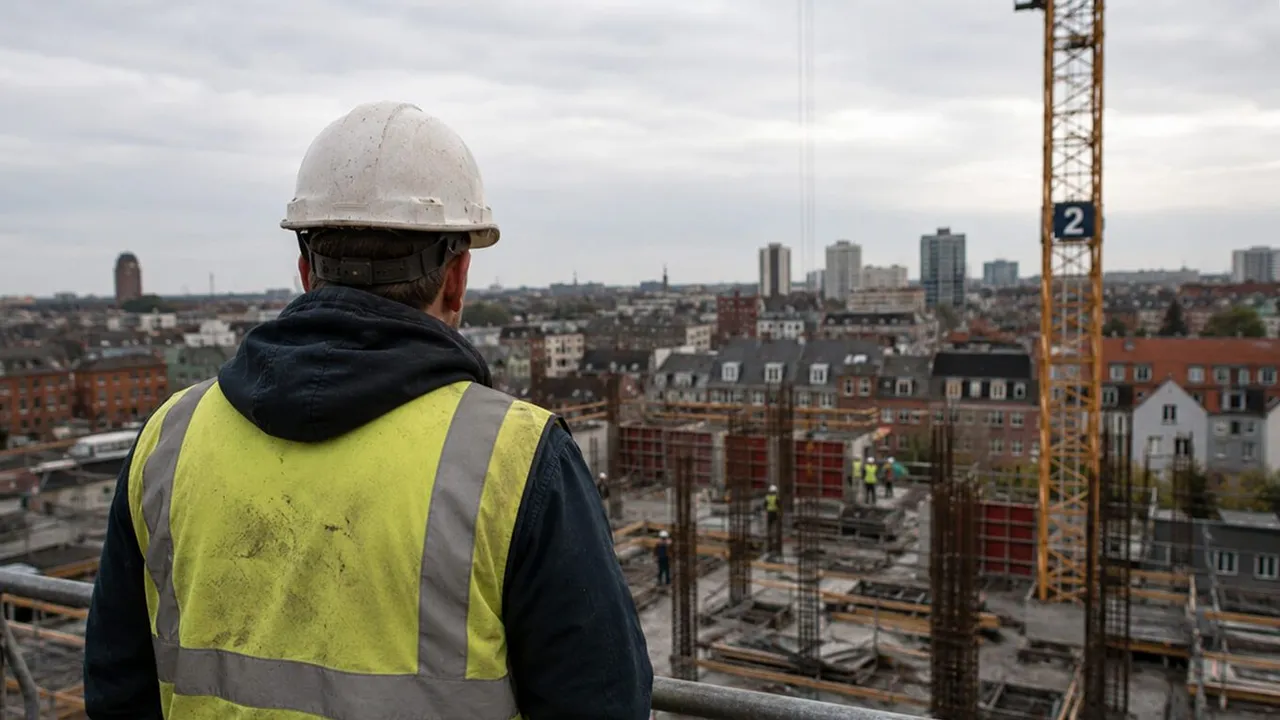
In many sectors — from logistics to manufacturing and agriculture — the workforce is made up largely of migrant workers, for whom the idea of a four-day workweek is far from reality. Their schedules often stretch across six days a week, with 10–12 hour shifts. In truth, they form the foundation of the economy that allows others to live at a slower pace.
According to CBS data, foreign workers spend 20–25% more hours per week at work than their Dutch colleagues. In industries like warehousing, transport, and agriculture, more than half of all contracts are temporary, and shifts often run well into the night. It’s another world — equally essential, but rarely mentioned in debates about “work–life balance.”
The difference isn’t just in numbers — it’s cultural. For most Dutch people, work is part of life. For many migrants, work is life.
The Dutch worker clocks out on Thursday and heads with family to Zeeland for the weekend. The Polish or Lithuanian worker stays longer, counting overtime hours and the weeks left before returning home.
This isn’t about judgment — it’s about two perspectives coexisting in one country. One built on freedom of choice, the other on necessity.
The Netherlands has proven that life can be different. The four-day workweek isn’t a privilege here — it’s the logical outcome of a mature society. Yet it remains a country of two rhythms: those who can choose between work and time, and those for whom time itself is still a luxury.
There’s no contradiction in that. Both worlds form one economy — one that functions precisely because everyone, regardless of background, contributes their own rhythm. The Dutch built a culture of balance; migrants gave it momentum.
Perhaps that’s why the system works so well: because it blends calmness with ambition, reason with determination.
If work in the Netherlands has two faces, together they form a complete picture — of a country that doesn’t chase perfection, but seeks balance.
No matter if you work four, five, or six days a week — keep investing in yourself.Growth always pays off, no matter how long your week is.And if you’re going to invest your time, make sure it’s in yourself.For example - with Bonapi! 💪👉 Check out all Bonapi courses
Stay up to date with what’s happening at Bonapi:
go behind the scenes of our trainings, discover news and special offers — click below and follow us on social media!

Author:

Arina
Dział VCA / SCC / BHV


Author:
Arina
Dział VCA / SCC / BHV
In our shop you will find trusted workwear, PPE and accessories you need for safe work. We offer products chosen by professionals from construction, logistics and industry.