User Panel


News
Search
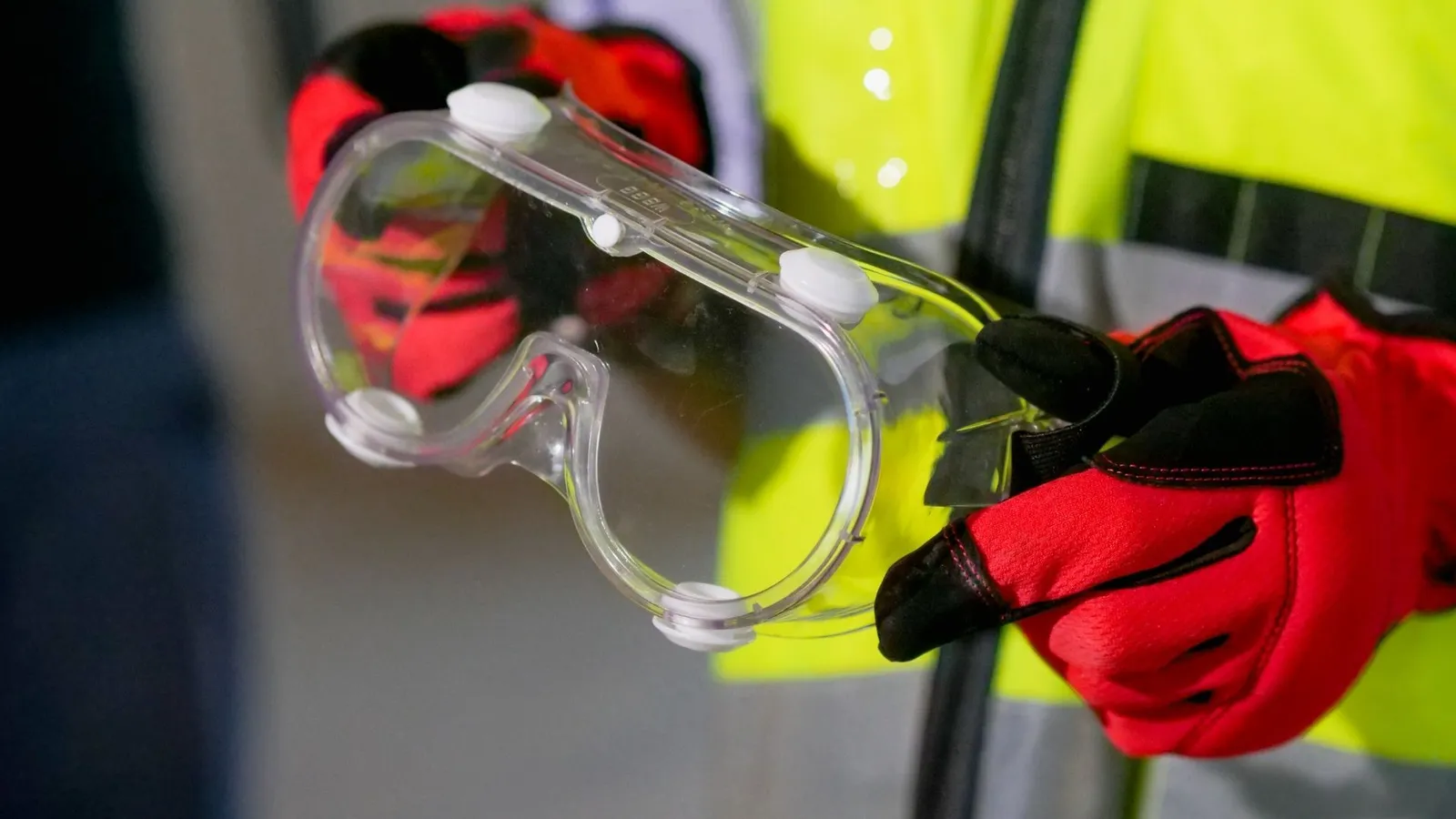
Working through an agency in the Netherlands is, for many people, the fastest route to legal employment. At the same time, this model is where questions about safety training come up most often: who is responsible, who should fund it, and what “being trained” actually means in practice. If you work through an agency or manage a team of temporary workers, it is worth knowing the concrete rules, not the ones “from conversations on site”, but the ones that follow from regulations and real market practice.
The foundation is the Dutch Arbowet (Working Conditions Act), which clearly states that the employer is responsible for safe working conditions. In temporary agency work, however, the situation is more complex because there are three parties: the worker, the employment agency, and the company where the work is actually carried out.
The agency formally employs the worker, but the host company (the inlener) organises the workplace, tools, processes, and the real tasks. That is why the Netherlands follows a principle of shared responsibility, rather than simply shifting obligations from one side to another.
In practice, this means:
An employment agency’s role does not stop at signing a contract and paying wages. Under current rules, the agency should ensure the worker is generally prepared for work in conditions with increased risk.
In practice, this most often includes:
This is why many agencies require candidates to have certain training even before their first placement. It is not “goodwill”, but a way to limit responsibility and risk.
It is also worth stating clearly: an agency cannot train a worker for every specific work situation, because that depends on the site, the technology used, and the client’s work organisation.
The host company has obligations identical to those it has towards its own permanent employees. It is the host company that knows:
That is why it must provide job-specific instruction, introduce the rules in force at the facility, and train the worker on the use of specific equipment. This cannot be replaced by a general course completed months earlier in a different place.
In practice, this means that even if a worker has VCA or other certificates, the host company must still run its own onboarding safety briefing. The absence of such training is one of the most common reasons for problems during inspections.
This is the question that comes back most often, and the answer is not always black and white. Dutch law assumes that the costs of training necessary to perform work safely should not fall on the worker.
Most commonly, you will see several models:
If the cost is passed on to the worker, it must be based on clear and fair rules. Otherwise, it may be challenged.
Compliance with workplace safety regulations is supervised by the Netherlands Labour Inspectorate (Inspectie SZW). Inspections cover both employment agencies and companies using temporary labour.
Inspectors check not only documents, but also:
If irregularities are found, consequences can apply to both parties, the agency and the host company. Most often, this means work being stopped, the need for immediate training of the team, and financial penalties.
In-company training is a practical answer to the real needs of the temporary labour market. Instead of sending workers to different courses at different times, a company can train an entire team on-site, in real working conditions.
This model has several key advantages:
For workers, this means greater safety. For companies, it means lower risk of downtime and fewer issues during inspections. At Bonapi, we can train groups or individual workers directly on the client’s premises, in line with Dutch regulations and real workplace requirements.
Most conflicts and misunderstandings come from a lack of clear agreements at the beginning. A good practice is to define:
This approach helps avoid situations where responsibility becomes “blurred” between parties and the worker ends up in the middle of a dispute.
Health and safety training does not close the topic. In the Netherlands, safety is treated as an ongoing process, updated whenever the role, technology, or scope of duties changes. This is especially important in temporary work, where rotation and changing environments are everyday reality.
Companies that invest in a systematic approach to training have fewer issues with accidents, inspections, and worker absence. This is not theory, but market practice.
If you rely on temporary labour or manage a team that needs regular safety training, in-company training is the simplest and safest option.
Take care of your team’s safety and stay calm during inspections. Follow Bonapi on social media or subscribe to the newsletter to receive up-to-date information on training and labour market requirements in the Netherlands.
If you want to increase your opportunities on the Dutch job market, gain new qualifications, or organize your knowledge in a way that truly translates into safety and comfort at work—we invite you to join us. Training is not a cost. It’s an investment, one that very often begins where pressure ends.
Stay up to date with what’s happening at Bonapi.
Get a behind-the-scenes look at our courses, discover what’s new, and catch current promotions—click below and follow us on our social media channels.

Author:

Arina
Dział VCA / SCC / BHV


Author:
Arina
Dział VCA / SCC / BHV
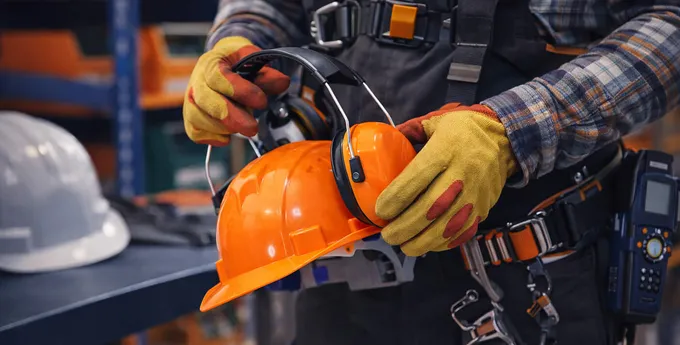
In our shop you will find trusted workwear, PPE and accessories you need for safe work. We offer products chosen by professionals from construction, logistics and industry.