User Panel


News
Search

The VCA certificate is one of the most frequently required qualifications in the technical, construction, and industrial sectors in the Netherlands, Belgium, and Germany. It confirms knowledge of occupational safety, health, and environmental protection, and its possession often determines whether you can be employed in many positions. Depending on your role within a company, you can take one of two course variants – VCA Basis or VOL VCA. While both share the same goal of improving workplace safety, they differ in scope, difficulty, and target group.
VCA stands for “Veiligheid, Gezondheid en Milieu Checklist Aannemers” – the Safety, Health, and Environment Checklist for Contractors. The system was developed in the Netherlands, but its standards apply throughout Western Europe. The main objective of VCA certification is to reduce workplace accidents, increase safety awareness, and ensure that every person on-site understands the essential safety principles.
Employers, especially in technical and construction industries, increasingly require their staff to hold a valid VCA certificate. For many companies, it’s a mandatory prerequisite to start work at construction sites, industrial facilities, energy installations, or in technical logistics. The certificate is also recognised by international corporations operating across Europe.
The VCA Basis course (also known as Basic VCA) is designed for manual workers who perform practical tasks in high-risk environments. This includes fitters, machine operators, construction workers, technicians, warehouse staff, and those operating industrial equipment. The course provides essential knowledge about safety, occupational hygiene, and environmental protection to help participants work safely and respond effectively in emergency situations.
During the training, participants learn about:
The course lasts approximately 8 hours and ends with a 40-question multiple-choice exam. To pass, you need a minimum score of 64.5%. The exam can be taken in Polish, making it accessible for those planning to work in the Netherlands.
If you perform operational work and are not responsible for managing a team, the VCA Basic certificate will usually be sufficient. Check the VCA Basic Course to see how the training and exam preparation work.
The second type of certificate is VOL VCA (Veiligheid voor Operationeel Leidinggevenden) – a course for supervisors, foremen, team leaders, managers, and business owners. It is more advanced than VCA Basis and focuses on managing the safety of others. In addition to the topics covered in the basic course, the program includes:
The VOL VCA exam is longer and more challenging than the VCA Basis exam. It is available in several languages, so it’s advisable to choose one you understand well to avoid errors in scenario-based questions.
If you work in a supervisory or managerial role or are responsible for employee safety, you may need VOL VCA. Check the VOL VCA Course and find out how to prepare for the exam for supervisors and managers.
Although both courses deal with workplace safety, their purpose and complexity differ significantly. The VCA Basis course prepares employees to perform tasks safely, while VOL VCA focuses on managing the safety of an entire team.
Main differences include:
In practice, a person with a VOL VCA certificate not only knows safety rules but can also implement and enforce them within their team. This ensures that work in high-risk environments is more organised, and the likelihood of accidents is significantly reduced.
VCA Basic and VOL VCA are not the only options. Depending on your role, you may also come across VIL VCU. If you want to compare all three certificates, read: VCA Basic, VOL VCA or VIL VCU – what are the differences and when do you need these certificates?
In many industries in the Netherlands and Belgium, a VCA certificate is mandatory. This applies particularly to those working in facilities with high safety standards – for example, in petrochemical plants, the energy sector, technical logistics, manufacturing, construction, or transport.
As a general rule:
Many employers also require subcontractors to present valid VCA certificates for all team members before starting a project. Without it, entry to a site or facility is often not permitted.
Both VCA Basis and VOL VCA certificates are valid for 10 years. After that, you must retake the exam to renew them. Courses can be taken either in person or online, and many training centres offer sessions in Polish — a great option for those preparing to work abroad.
The training itself takes just one day but can significantly increase your chances of finding a well-paid job. It should be seen not only as a formal requirement but also as an investment in your safety and professional growth.
The VCA certificate is more than just a document — it’s proof of safety awareness and professionalism. Choosing the right type depends on your role:
Both courses are recognised across Europe and often determine employability. They help you work safely, earn employer trust, and stand out among other candidates. A VCA certificate is not just a formality - it’s an investment in safety, professionalism, and a better career future in the Netherlands and beyond.
If you are preparing for the VCA Basic exam, you can test your knowledge with sample questions beforehand. Take the VCA Basic Practice Test to see which topics you have already mastered and which ones you still need to review.
Whether you’re just starting your career abroad or already have experience in construction or industry, it’s worth investing in qualifications that truly open doors. The VCA certificate isn’t just a piece of paper — it’s a real step toward better opportunities and safer work. And if you’re going to invest your time in growth, make sure it delivers results.
For example, with Bonapi! 👉 See all Bonapi courses
Stay up to date with what’s happening:
Discover course insights, news, and promotions - follow us on social media!


Author:

Arina
Dział VCA / SCC / BHV


Author:
Arina
Dział VCA / SCC / BHV
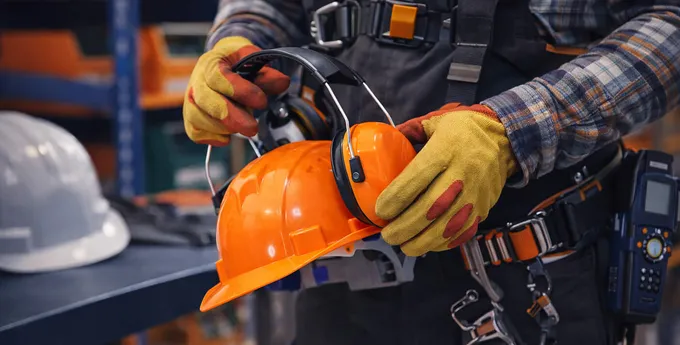
In our shop you will find trusted workwear, PPE and accessories you need for safe work. We offer products chosen by professionals from construction, logistics and industry.