User Panel


News
Search

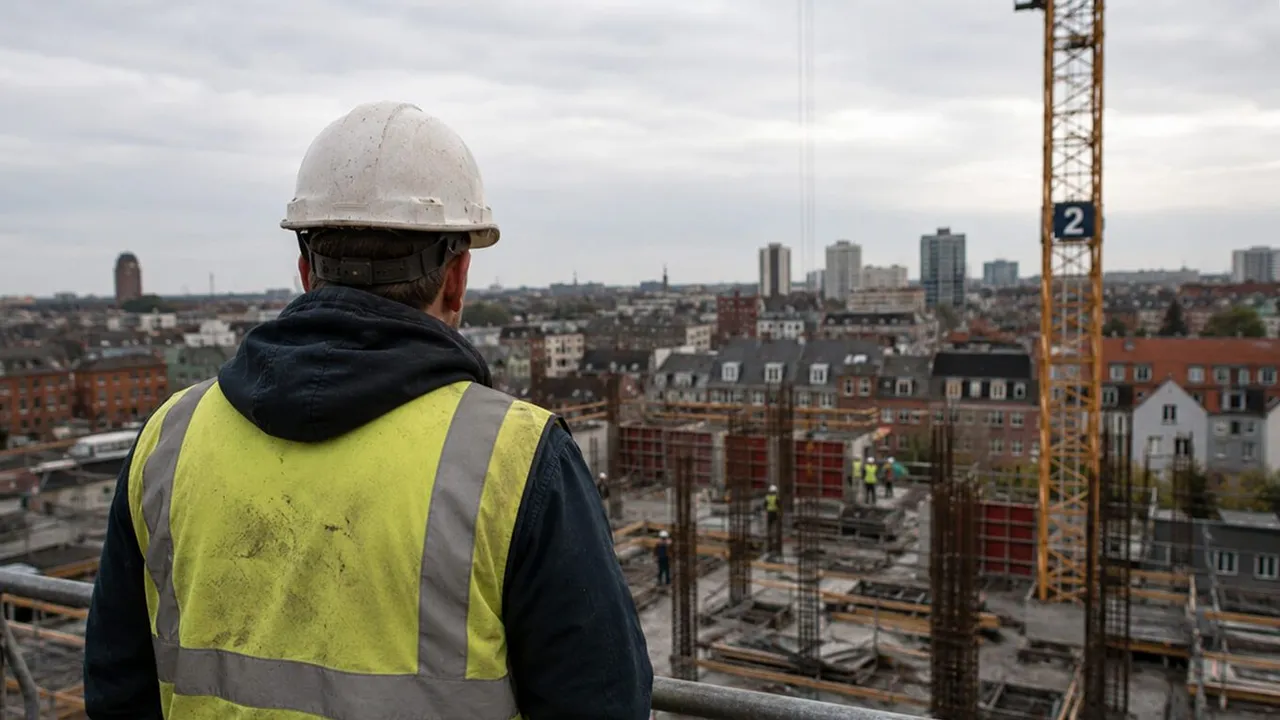
Working on scaffolding in the Netherlands is not just “another construction job.” It’s a profession that requires not only physical strength and practical skills, but also clearly documented qualifications. It’s not just about putting something together. It’s about ensuring that others can safely work on what you’ve built.
And since other people’s safety depends on your work, there’s no room for improvisation in the Netherlands.
The legal foundation is based on Arbowet and Arbobesluit, which regulate workplace safety.
In practice, this comes down to a few very specific rules:
There is no room for “he’s done this before.” If something goes wrong, the first question is:
was this person formally qualified to do the job?
In the Dutch scaffolding industry, everything is clearly structured. There is no chaos—just defined roles:
And this is crucial:
each level requires different qualifications.
You can’t skip steps just because you have experience.
In the scaffolding sector, nothing is random. The system is based on standards described in the Richtlijn Steigers and the training structure of the scaffolding industry (steigerbouw).
This is the foundation for training programs and exams, often certified by organizations such as DNV—and these are what companies actually recognize.
In practice, this means:
Only then are you considered “competent”—not before.
This is where many people are surprised.
You might have 10 years of experience. You might build scaffolding with your eyes closed.
And still, the first question will be:
“Do you have certificates?”
Why?
Because during inspections, no one checks how many years you’ve worked. They check:
No documents = a problem for the employer.
And employers in the Netherlands do not take that risk.
In the Netherlands, the standard is training aligned with the scaffolding industry (steigerbouw), often completed with DNV certification.
The most common levels include:
This training is not just theory for a certificate. It’s practical preparation for real work:
In other words - exactly what you do on-site.
If you want to start working with scaffolding and obtain qualifications at assistant level, check the Scaffolding Assistant 2.0 Course. The training prepares you to perform basic scaffolding tasks safely and for the exam.
The law does not say: “you must complete this exact course.”
The law says:
you must be competent and properly trained.
The market says:
the most recognized proof of competence is a certificate aligned with industry standards (e.g. DNV).
That’s why companies:
treat these certificates as the standard entry requirement.
If you are wondering whether scaffolding work is right for you, start by learning more about the scaffolding assistant position. Find out what working as a scaffolding assistant in the Netherlands looks like, what tasks are involved and what qualifications you may need.
Before the exam, it is a good idea to check whether you understand the key safety rules and the basics of scaffolding work. Take the Scaffolding Assistant Practice Test to assess your knowledge and identify the topics you still need to review.
Even if you have a job lined up, you may not be allowed on-site if:
This is not about attitude.
This is the standard in the Netherlands.
Short and simple:
Without certificates, you’re “just helping.”
With certificates, you’re a professional.
If you want to increase your opportunities on the Dutch job market, gain new qualifications, or organize your experience in a way that Dutch employers actually recognize - you’re in the right place.
Training is not a cost.
It’s the point where improvisation ends and professionalism begins.

Author:

Arina
Dział VCA / SCC / BHV


Author:
Arina
Dział VCA / SCC / BHV
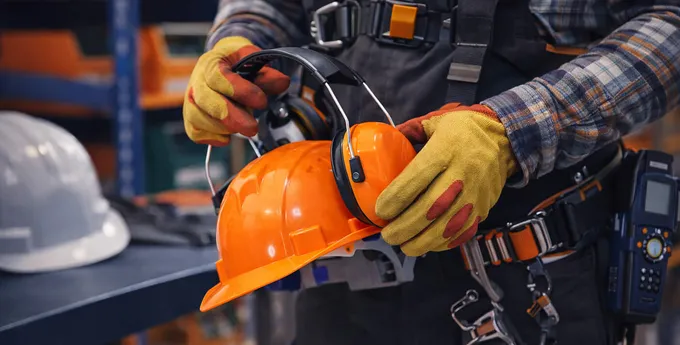
In our shop you will find trusted workwear, PPE and accessories you need for safe work. We offer products chosen by professionals from construction, logistics and industry.