User Panel


Trainings / Courses
Search

Arina
VCA / SCC / BHV Department

Do you employ workers in the Netherlands and wonder when their professional certificates need to be renewed? The validity of forklift, VCA, BHV and IPAF qualifications depends on the type of training, the rules of the certification body and the requirements of the particular job role. Not every certificate has a legally defined expiry date, and a lack of up-to-date training can cause problems during inspections or when carrying out contracted work. Find out how long individual certificates remain valid in the Netherlands and how to plan employee training to avoid unnecessary downtime.
In Dutch companies, certificates confirming employees’ qualifications are an important part of workplace safety management. This is particularly relevant to businesses operating in construction, logistics, manufacturing, industry and technical services.
However, it is important to distinguish between three aspects: the validity of a document issued by a training provider, the requirements arising from occupational health and safety legislation, and any additional conditions imposed by the employer or client.
The main certificate validity periods are as follows:
For forklift and BHV certificates, these periods do not represent statutory qualification expiry dates. Dutch legislation primarily requires employees to be adequately trained to carry out their duties.
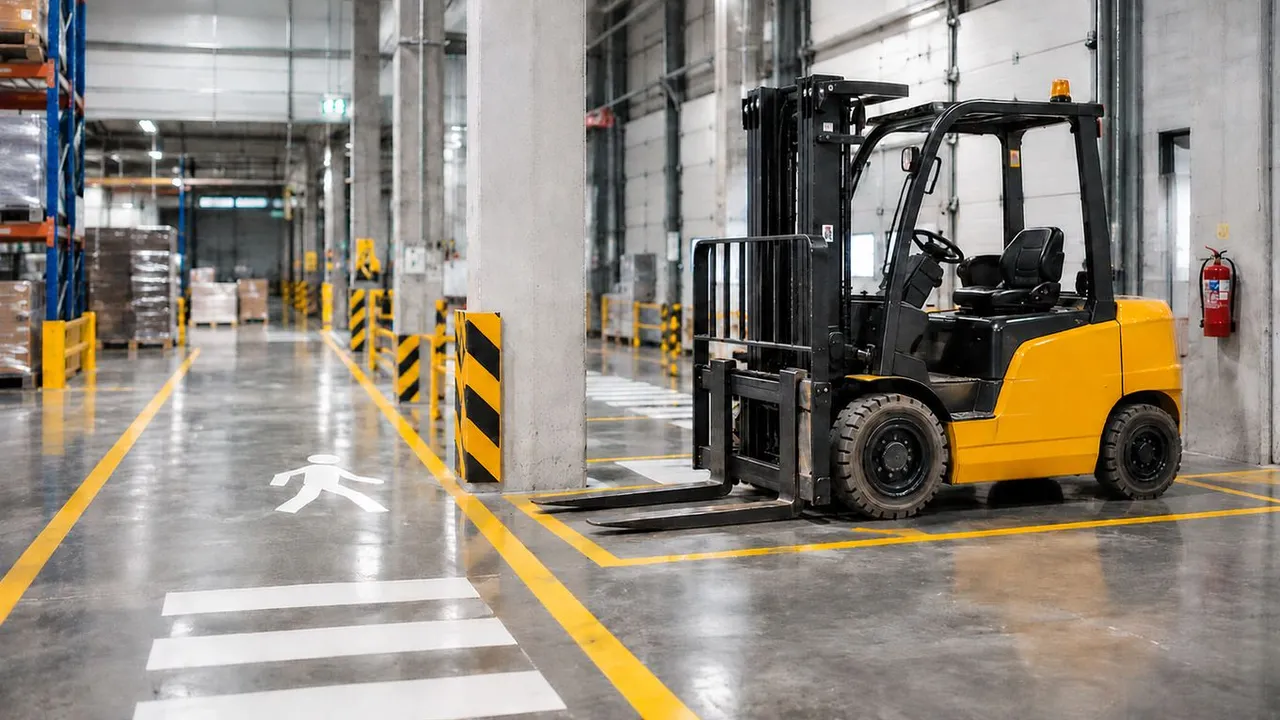
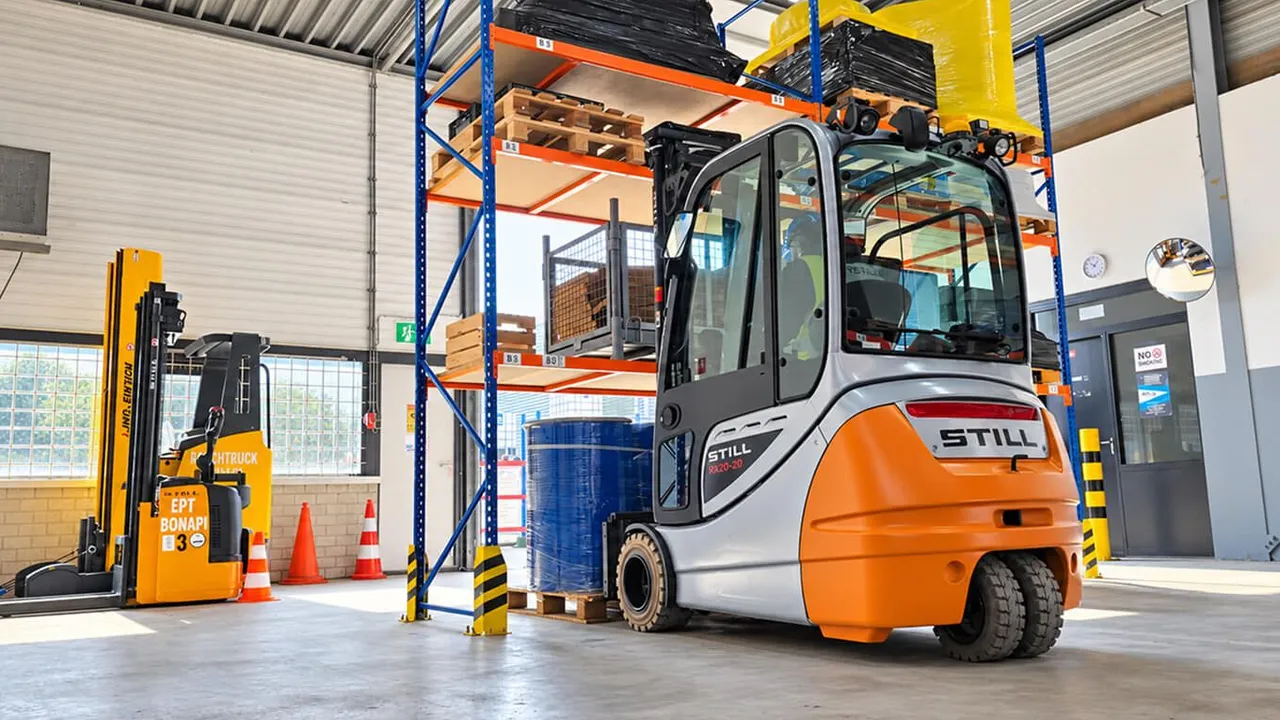
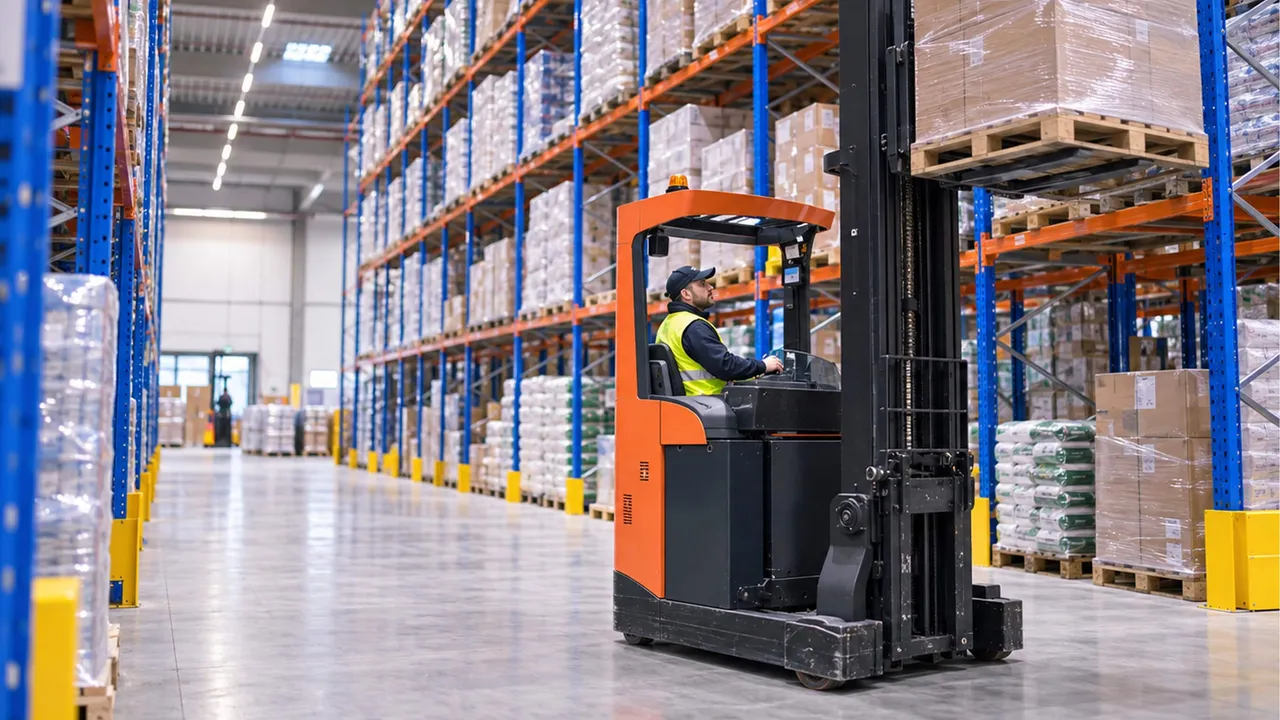
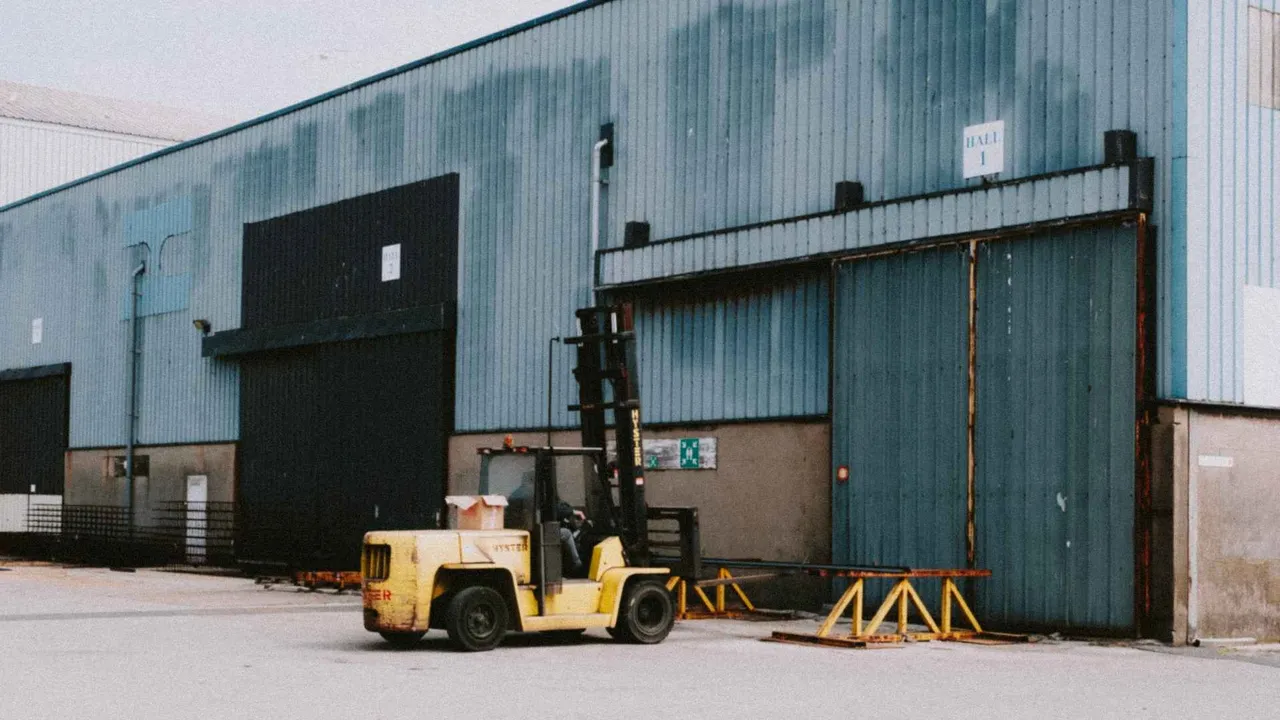
Forklifts are essential equipment in warehouses, distribution centres, manufacturing facilities and logistics companies. In the Netherlands, operators use various types of equipment, including counterbalance forklifts (heftruck), reach trucks (reachtruck) and electric pallet trucks (EPT).
A forklift certificate is often issued for a period of 5 years. However, this validity period is not prescribed by any general provision of Dutch law.
Under Article 7.17c(1) of the Dutch Working Conditions Decree (Arbobesluit), mobile work equipment requiring specialist knowledge may only be operated by individuals with the appropriate competencies. Employers must therefore ensure that operators receive adequate training and are capable of using the equipment safely.
In practice, this means that:
For example, an operator who has exclusively used a counterbalance forklift for several years should not automatically begin operating a reach truck without having their ability to use this type of equipment assessed.
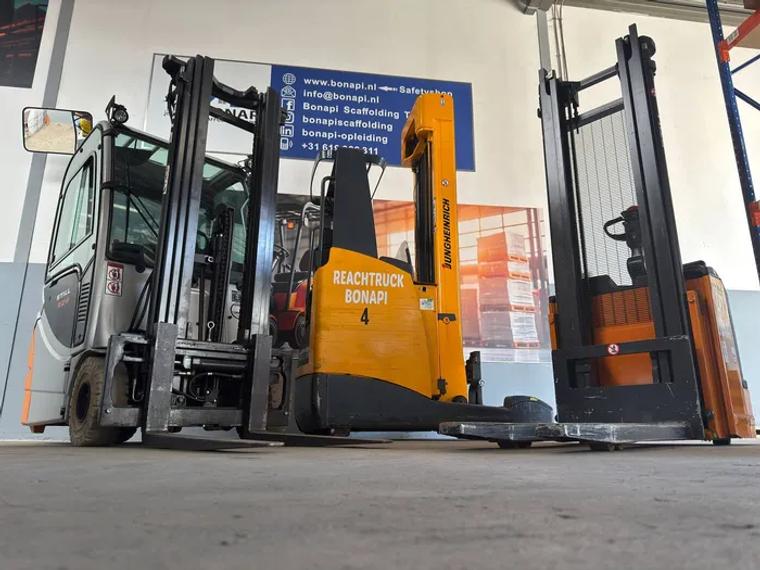
If an employee’s certificate was issued for 5 years, it is advisable to arrange refresher training before the stated expiry date. Additional training should also be considered following an accident, a serious incident, an extended period away from operating the equipment or a change in working conditions.
For companies employing multiple operators, forklift training courses at Bonapi offer a convenient solution. The training programme includes courses for beginners, combined courses covering different types of forklifts and refresher courses for experienced employees.
VCA is one of the most frequently required safety certificates in the Dutch construction, industrial and technical sectors. It demonstrates knowledge of safe working practices, hazard identification and appropriate responses to dangerous situations.
VCA Basic (B-VCA) and VOL-VCA diplomas are valid for 10 years. This period is determined by the rules of the certification system overseen by Stichting Samenwerken Voor Veiligheid (SSVV).
After 10 years, employees must pass another examination to obtain a new diploma. Attending a refresher course alone does not extend the validity of an existing diploma.
The type of certificate should correspond to the employee’s responsibilities within the company.
If an employee is promoted to a supervisory position, their existing VCA Basic certificate may no longer meet the requirements of their new role. In such cases, it is important to determine whether VOL-VCA certification is required.
Diplomas obtained through the recognised VCA certification system can be verified in the Dutch Central Diploma Register (Centraal Diploma Register, CDR). The register allows you to check whether an individual holds the appropriate diploma and when it expires.
This is particularly useful for employers when recruiting new employees, working with employment agencies and preparing documentation required by the main contractor.
The VCA Basic, VOL-VCA and other VCA training courses available at Bonapi prepare employees for examinations in accordance with the requirements of the Dutch labour market.
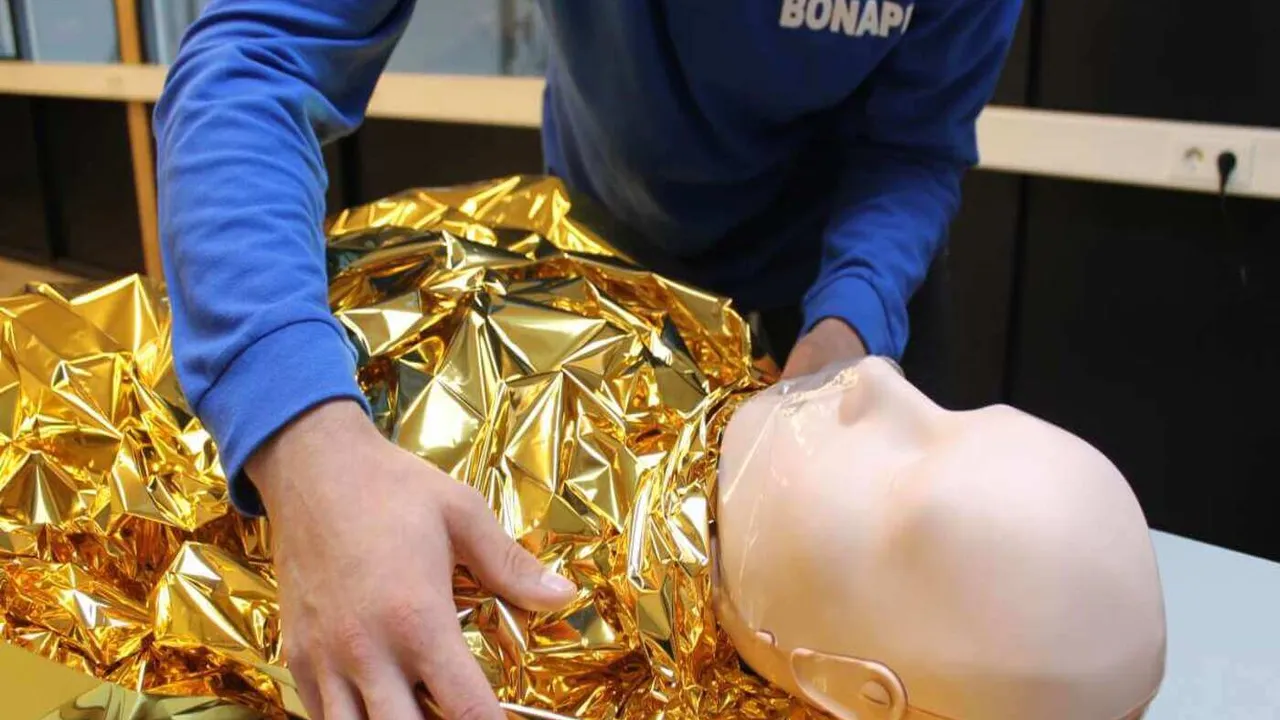
BHV, short for bedrijfshulpverlening, refers to workplace emergency response arrangements. Employees appointed as BHV emergency response officers are trained to provide first aid, respond to fires and organise evacuations.
Employers’ responsibilities in this area arise from Article 15 of the Dutch Working Conditions Act (Arbowet). Companies must establish appropriate BHV arrangements, taking into account the hazards present in the workplace.
Unlike VCA, legislation does not establish a single validity period for BHV certificates. Nor does it require all BHV emergency response officers to retake an examination exactly every 12 months.
However, annual BHV refresher training is recommended practice. This approach helps employees maintain the skills needed to respond to accidents, fires and evacuations.
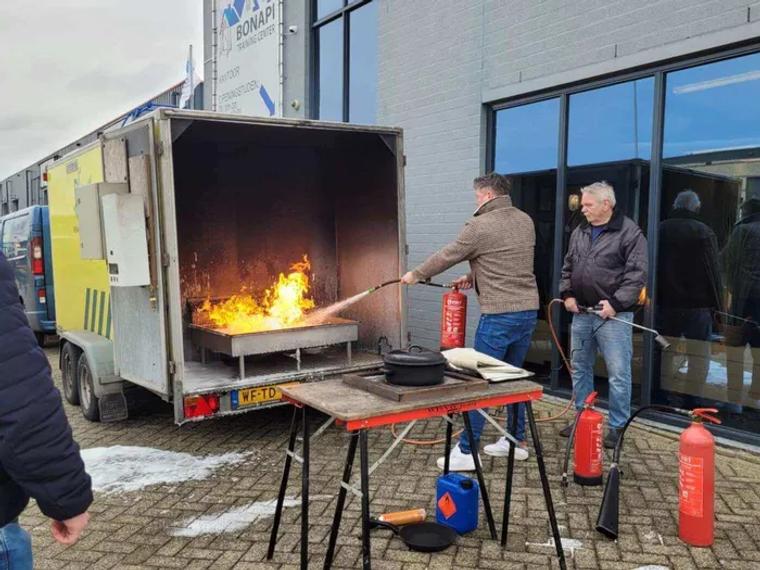
Emergency response skills require regular practice. An employee who has not performed CPR on a training manikin or participated in fire safety exercises for several years may struggle to respond appropriately during an actual emergency.
Working conditions within a company may also change. A new industrial building, a redesigned evacuation route, different machinery or an increase in staff numbers can affect how emergency response arrangements are organised.
Employers should therefore:
The number of BHV emergency response officers required depends on the occupational risk assessment (RI&E), the size of the company, the organisation of work and the hazards present. There is no universal ratio of emergency response officers to employees.
If your company needs additional employees responsible for workplace safety, explore the BHV training course at Bonapi.
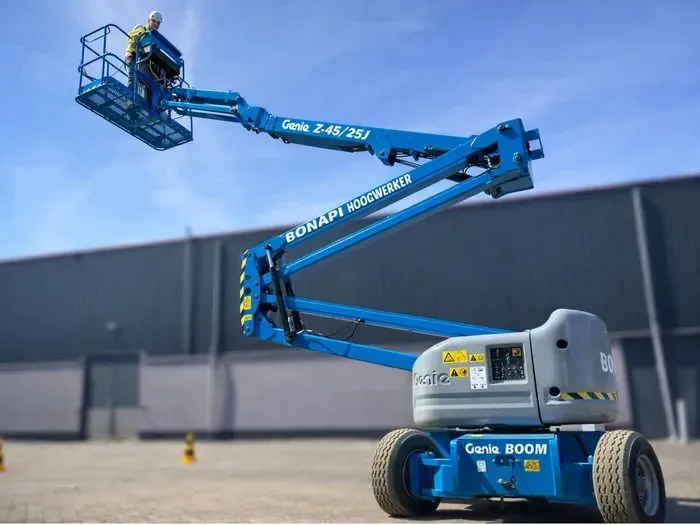
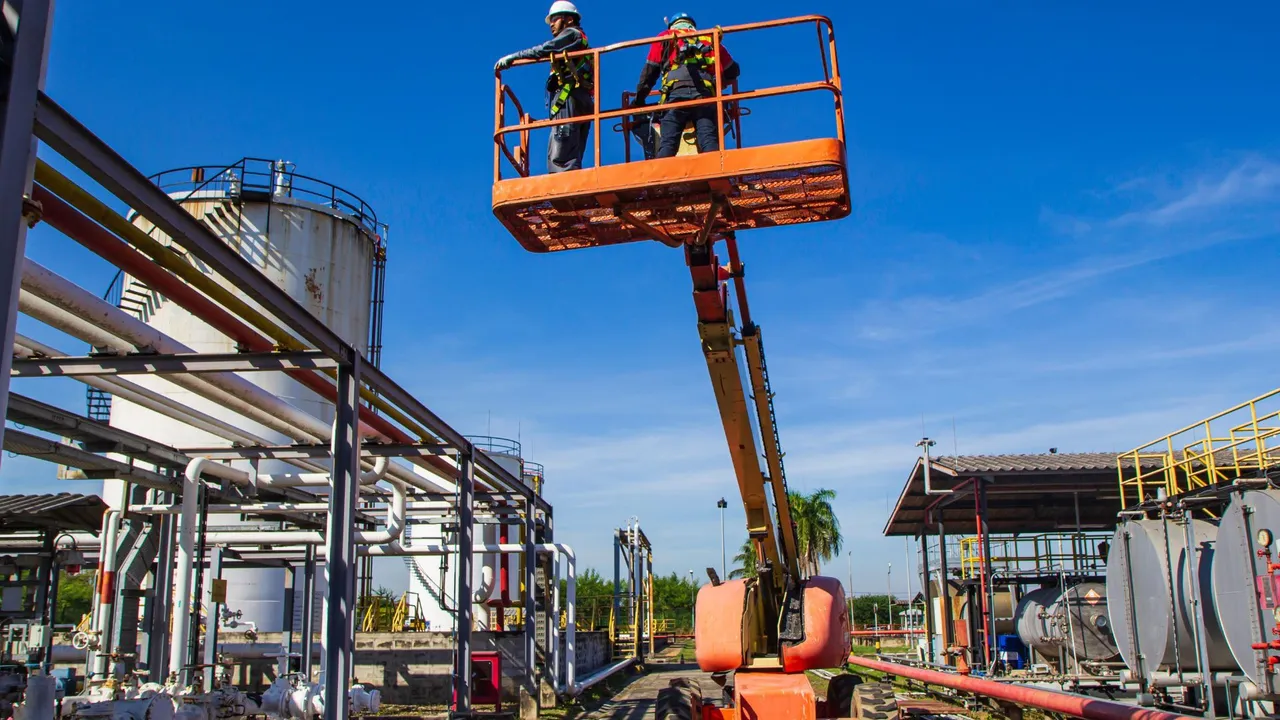
IPAF certification is used by companies operating mobile elevating work platforms (MEWPs), including scissor lifts, telescopic boom lifts and articulated boom lifts.
After successfully completing the appropriate training, operators receive a PAL Card (Powered Access Licence), which confirms their qualifications to operate specific categories of equipment.
The standard validity period of an IPAF PAL Card is 5 years, subject to any different requirements applicable in individual countries.
In the Netherlands, IPAF certification is frequently required by companies carrying out construction, industrial and installation projects, although the certificate itself is not a universal statutory requirement for all MEWP operators.
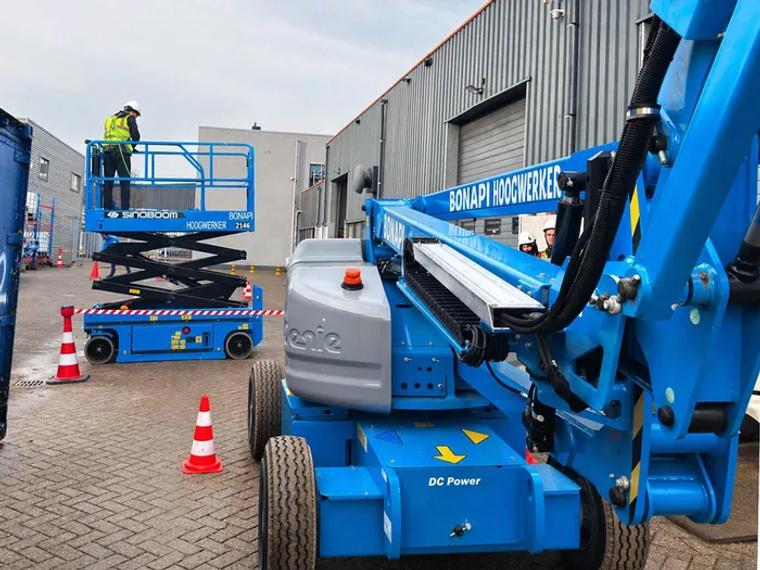
No. The scope of an operator’s qualifications depends on the categories listed on their PAL Card.
For example:
An employee holding only a 3A qualification cannot use it as evidence of competence to operate equipment within the 3B category.
Before allowing an operator to use equipment, employers must check the relevant category, the validity of the certificate and the employee’s ability to operate the specific machine.
PAL Card renewal should be arranged before the card expires. IPAF offers a renewal procedure for experienced operators who meet specific requirements regarding documented operating experience.
From 2026, the standard renewal route for MEWP operators requires at least 60 logbook entries demonstrating operating experience over the previous five years. The specific conditions depend on the type of qualification and the applicable IPAF rules.
Operators who do not meet the renewal requirements or have allowed their certification to expire should be prepared to complete the full training course again.
Employers should therefore monitor expiry dates in advance and encourage operators to maintain records of their practical operating experience.
Bonapi offers IPAF 3A and 3B training courses for employees who operate equipment designed for working at height.
The answer depends on the type of qualification, the requirements of the job role and the employer’s internal rules. In the case of VCA or IPAF, an expired certificate means that the employee no longer holds valid evidence of their qualifications under the relevant certification system. If a valid certificate is a condition for working on a project, the employee should not carry out the tasks covered by that requirement until the necessary conditions have been met.
The situation is different for standard forklift and BHV certificates, for which legislation does not prescribe a uniform validity period.
However, this does not mean that employees can carry out their duties without maintaining the necessary competencies. Employers are responsible for ensuring that their staff are adequately trained and that work is organised safely.
For example, if a forklift operator holds a certificate that has passed its stated expiry date, the employer should assess their skills and review any internal and contractual requirements. Only then can a decision be made as to whether further training is necessary before the employee resumes their duties.
In a company employing several dozen workers, manually tracking training and certificate expiry dates can quickly become challenging. One operator may require both VCA and forklift certification, while another may also need IPAF or BHV qualifications.
The simplest solution is to maintain a central register of employee qualifications. This can be managed using an HR system, a spreadsheet or dedicated training management software.
The register should include:
Setting reminders for 90, 60 and 30 days before a certificate expires is a useful approach. This allows employers to arrange training without suddenly having to remove an employee from their duties.
Companies that regularly recruit new employees should also consider introducing qualification checks as part of the onboarding process.
The way training is organised should reflect the number of employees, their experience and the company’s operational schedule.
Individual training is a convenient option when a new employee needs a single certificate or when a particular employee’s qualifications need to be updated quickly.
For larger teams, group training may be more efficient from an organisational perspective. It reduces the number of training dates required, makes it easier to plan employee absences and helps establish a consistent standard of training.
For example, a logistics company employing 20 operators can divide its workforce into several groups rather than sending everyone on a training course at the same time. This allows part of the team to remain in the warehouse and continue carrying out day-to-day operations.
Group training is also an effective solution when preparing new construction teams, technical personnel or MEWP operators before the start of a major project.
Before selecting a training course, it is worth checking whether the programme is appropriate for the participants’ level of experience. Beginners generally require more practical training than employees renewing their qualifications after several years of regular work.
Training should be treated as an ongoing part of workforce management rather than something that is only arranged after a certificate expires. The planning process can begin with a review of the entire team’s documentation. The next step is to determine which qualifications are legally required, which arise from contractual obligations and which form part of the company’s internal safety standards.
In practice, three measures are particularly important: booking training dates well in advance, dividing employees into groups and documenting completed training.
Companies should also consider planned promotions, purchases of new equipment and upcoming projects. If a business intends to introduce mobile elevating work platforms or a new type of forklift, operator training should ideally be arranged before the equipment is put into service.
A well-prepared training schedule helps maintain business continuity and reduces the risk of being unable to fulfil a contract because an employee lacks the appropriate certification.
Do you need to renew your employees’ certificates, prepare a new team for work or organise training for your entire company? At Bonapi, we help businesses in the Netherlands select training courses that meet the requirements of individual job roles and reflect participants’ levels of experience.
We offer forklift operator training, VCA, BHV and IPAF courses, as well as other technical and occupational health and safety training programmes. We cater for both individual employees and corporate groups. Depending on the type of course, the training format and arrangements can be adapted to the needs of your business.
Explore Bonapi’s full range of training courses for companies and employees in the Netherlands and contact us to discuss the appropriate training programme and available dates for your team.
Make sure your employees’ qualifications are up to date before a lack of appropriate training affects the delivery of your project. Follow Bonapi on social media, where we share information about training courses, certification and safe working practices in the Netherlands.



Author:

Arina
Dział VCA / SCC / BHV
Author:
Arina
Dział VCA / SCC / BHV
Author:
Arina
Dział VCA / SCC / BHV
Author:
Arina
Dział VCA / SCC / BHV
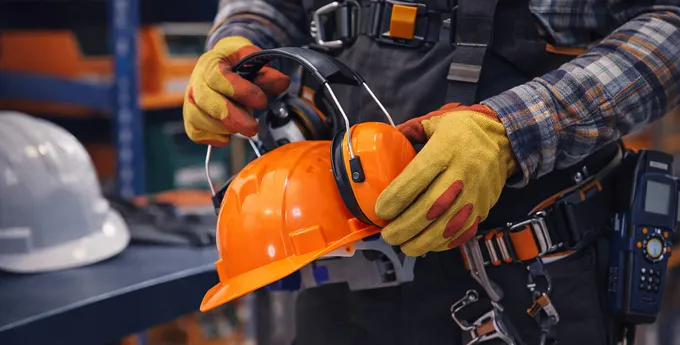
In our shop you will find trusted workwear, PPE and accessories you need for safe work. We offer products chosen by professionals from construction, logistics and industry.