User Panel


Trainings / Courses
Search

Paweł
Administration / IPAF Instructor
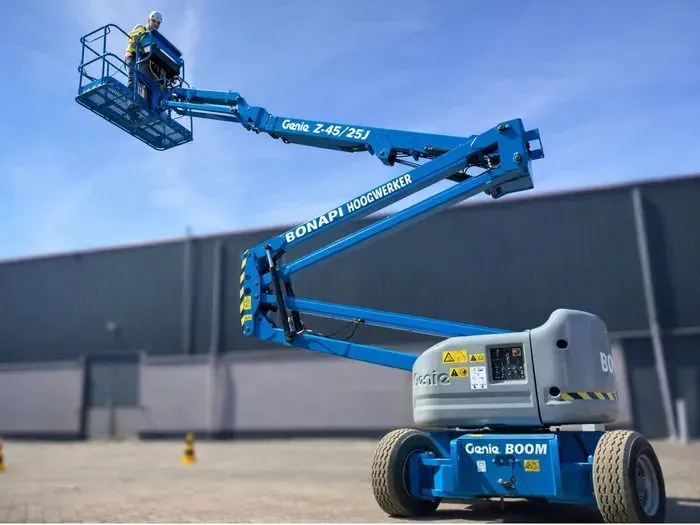
A worker presents an IPAF PAL Card and says they are qualified to operate a mobile elevating work platform. But how can you be sure that the card is valid and covers the correct machine category? In the Netherlands, this is particularly important in construction, industry, installation work and technical maintenance, where MEWPs are used every day. A photo of the card sent by the worker should not be the end of the verification process.
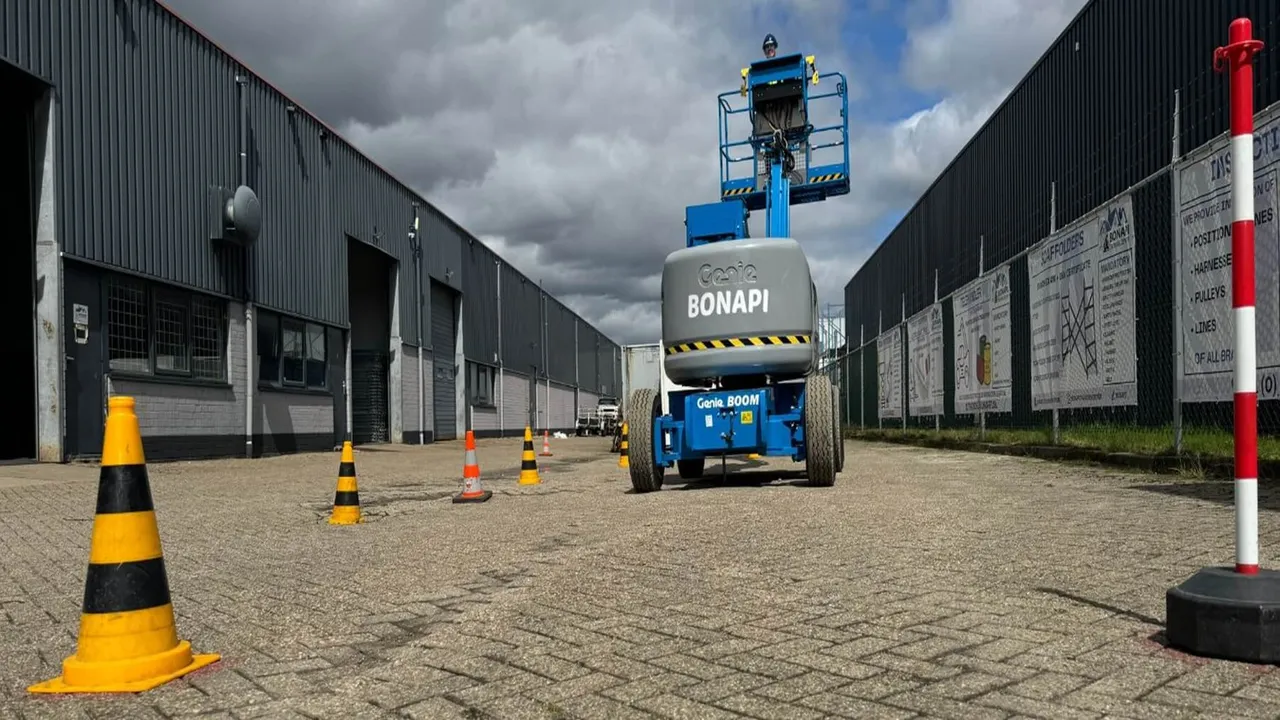
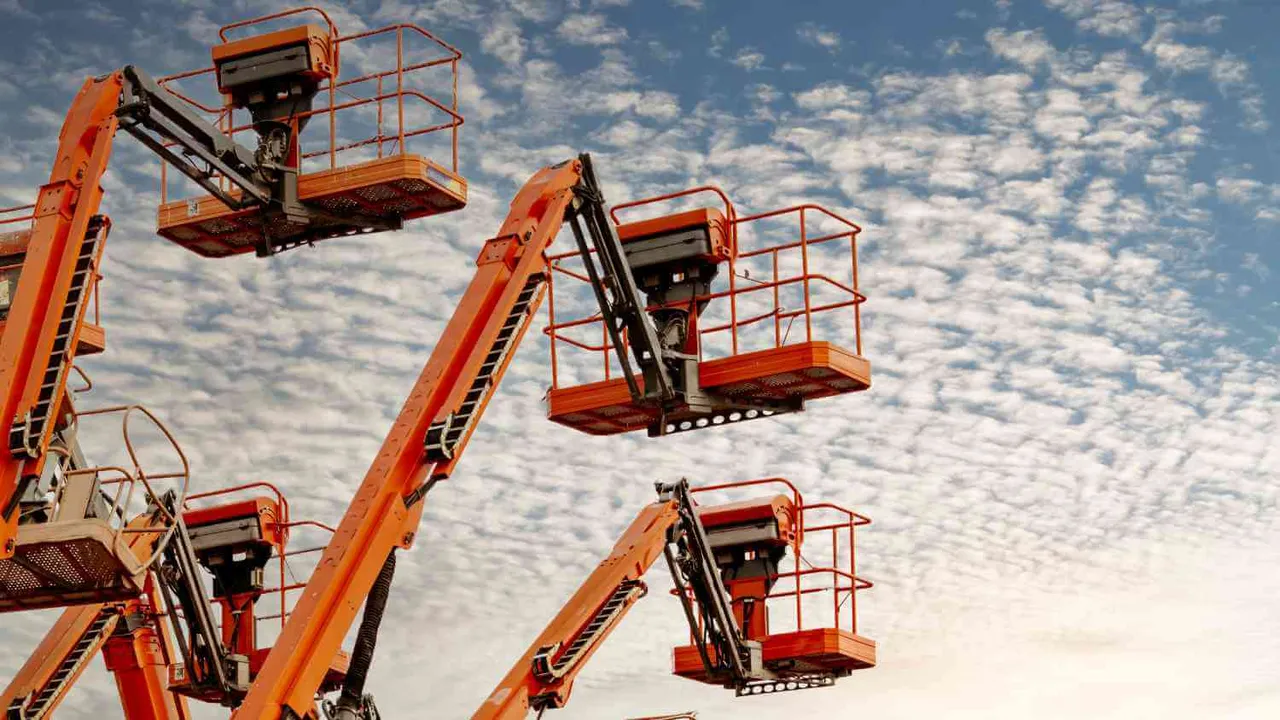
The PAL Card, or Powered Access Licence, is issued to people who have completed the relevant IPAF training and passed the required tests at an IPAF-approved training centre. It is used, among others, by operators of Mobile Elevating Work Platforms (MEWPs), commonly known in the Netherlands as hoogwerkers.
IPAF, the International Powered Access Federation, operates an international training system for people working with MEWPs and other powered access equipment. The IPAF MEWP operator training programme complies with the international ISO 18878 standard for the training of mobile elevating work platform operators.
However, a PAL Card does not automatically qualify someone to operate every type of MEWP. The card lists the specific equipment categories for which the operator has been trained. When verifying a PAL Card, you should therefore check not only the holder's name and the expiry date, but also the categories listed on the card.
A PAL Card is normally valid for five years. Once it has expired, the worker should no longer present it as current proof of training.
It is important to distinguish between the requirements of Dutch law and the standards or additional requirements imposed by companies and clients.
Dutch legislation does not specify an IPAF PAL Card as the only legally required document for every MEWP operator. Under the Dutch Working Conditions Act (Arbeidsomstandighedenwet, or Arbowet), however, employers are responsible for providing safe working conditions. Employees must receive appropriate information and instruction about their work and the associated risks. When work equipment is used, the requirements of the Dutch Working Conditions Decree (Arbeidsomstandighedenbesluit, or Arbobesluit) regarding the safe use of equipment are also relevant.
This means that an employer must have sufficient grounds to determine that a person operating a MEWP is properly trained and prepared to carry out the task safely. A PAL Card is one recognised way of demonstrating that an operator has completed training under the IPAF programme.
Individual projects may also have requirements that go beyond the statutory minimum. A main contractor, industrial facility or client may require specific training, certification or additional site instruction before an operator is permitted to use a MEWP. It is therefore essential to check the requirements that apply at the particular site or project.
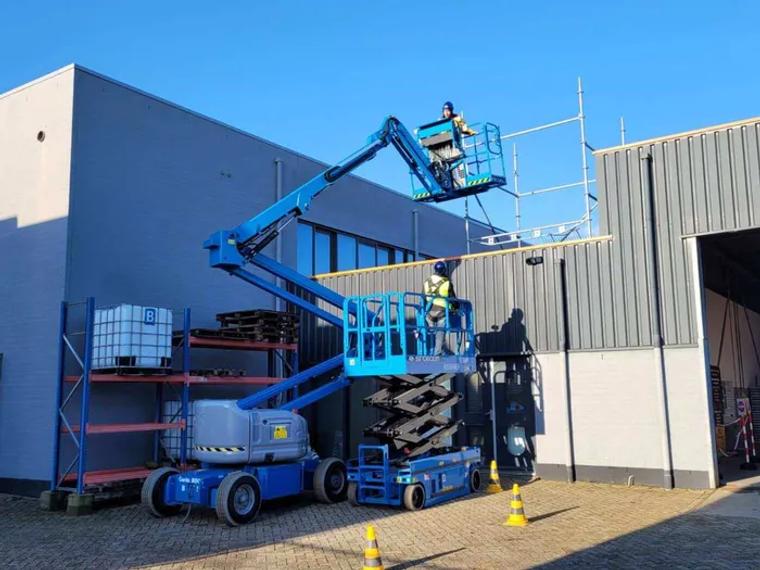
IPAF provides an official online system for verifying PAL Cards. This is the system employers, coordinators, safety managers and anyone responsible for authorising workers to operate equipment should use.
The verification can be carried out in a few steps:
The official verification tool requires the licence number shown on the PAL Card. Additional identification details of the cardholder are required during the next stage of the verification process. Once the information has been successfully matched, the system allows you to check qualification details, including the machine categories covered by the operator's training.
This is more important than simply looking at the card. A document may appear genuine, but checking it through the IPAF system allows you to confirm whether the information presented matches IPAF's records.
If a worker presents a physical PAL Card, an initial check can be carried out before verifying it online.
You should check:
A physical PAL Card includes features such as a holographic IPAF logo. It also displays a photograph of the cardholder and information or identification relating to the training centre.
However, visual security features should not be treated as the only way to confirm authenticity. IPAF has warned about attempts to falsify documents and recommends using its official verification tool. If you receive only a scan or photograph of a PAL Card, it is even more important to check the licence number through the official system.
A PAL Card can also be held digitally through the ePAL app. Operators can use the app to access their licence and information relating to their qualifications.
The digital version is particularly convenient for workers who move between different projects and sites. Instead of relying on a photograph of a plastic card stored on a phone, information linked directly to the operator's profile can be used.
IPAF also allows a digital PAL Card to be verified using a QR code generated in the ePAL app. For someone responsible for safety on a project, this provides a quick way to check the qualifications presented by an operator.
It is important to distinguish between a digital PAL Card in ePAL and an ordinary photograph of a card sent via WhatsApp or email. A photograph of the document is not the same as a current record in the IPAF system and does not, on its own, confirm that the licence is still valid.
One of the most common mistakes when checking a PAL Card is looking only at the expiry date. An operator may have a valid card but still not hold the category required for the equipment they are expected to operate.
For MEWPs, you may encounter the following IPAF categories:
The difference between 3A and 3B is particularly important. A worker trained in category 3A should not automatically be treated as qualified for category 3B simply because both types of equipment are commonly referred to as hoogwerkers in the Netherlands.
A PAL Card can cover more than one category. If an operator has successfully completed training for both 3A and 3B, both categories should appear in their qualification records.
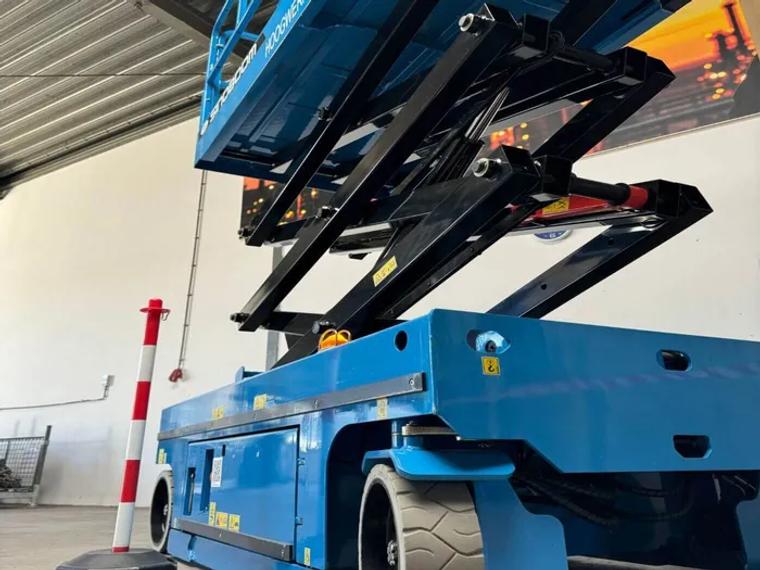
This is another important point from an employer's perspective. A valid PAL Card for the correct category confirms that the operator has completed the relevant training, but it should not be interpreted as proof that they are familiar with every make and model of MEWP on the market.
Different MEWPs may have different control systems, emergency lowering procedures, safety features, operating parameters and manufacturer restrictions. Operators need to be familiar with the specific machine they are going to use.
Before work begins, the operator should therefore be properly familiarised with the equipment and its operating instructions. This is particularly important when a worker is using a specific model for the first time or when the machine differs from equipment they have previously operated.
The same principle applies to conditions on a particular project. A training certificate does not replace a risk assessment, site-specific instructions or safety rules established by the employer or client.
If the PAL Card has expired, the worker should renew their qualifications in accordance with IPAF requirements. Many years of practical experience do not automatically extend the validity of the card.
Greater caution is required when the information on the card does not match the results of the official verification. This may involve the holder's name, photograph, categories or licence number. In such cases, the document should not be accepted solely on the basis of the worker's explanation.
If there are doubts about the authenticity of a PAL Card, IPAF recommends contacting the organisation directly. This also applies if the card appears to have been altered or if there is reason to suspect that someone is using another person's document.
Losing the physical card does not automatically mean that the operator's qualification records are lost. The licence can still be verified through the system, and the operator can contact the training centre where they completed their course to determine what steps should be taken next.
When a company employs several operators, it is best to establish a simple verification procedure before the project begins. This helps avoid situations where it is only discovered on site that some members of the team have expired documents or do not hold the correct categories.
When checking an operator, verify:
For companies employing large numbers of operators, keeping track of expiry dates is particularly important. Checking everyone's documents the day before a major project begins may be too late to arrange training for several employees.
A practical solution is to maintain a register of employee qualifications, including expiry dates and equipment categories. This makes it possible to plan training for an entire group in advance instead of reacting only when an employee is refused permission to carry out a particular task.
Experience is important, but it is not the same as documented proof of completing a specific training programme. Someone may have worked with MEWPs for many years, but if a client requires a current IPAF PAL Card, practical experience alone will not meet that requirement.
The same applies in reverse. A newly issued PAL Card does not automatically mean that someone has extensive practical experience. The employer should still assess whether the person can safely perform a specific task under the conditions present on the project.
The safest approach is to treat qualifications, practical experience and familiarisation with the specific machine as separate elements. Together, they provide the basis for making a responsible decision about whether an operator should be assigned a particular task.
If your verification process shows that some employees do not hold the required IPAF categories or that their PAL Cards are approaching their expiry dates, it is better not to wait until the next project is about to begin.
Bonapi provides IPAF training for workers in the Netherlands. We can train individual operators or organise training for larger groups of employees. This makes it easier to prepare your team for the requirements associated with operating MEWPs and to plan qualifications around the types of equipment used in your work.
Explore our IPAF training courses for employees and ask about training options for your entire team. Having the correct categories and up-to-date qualifications makes work easier to organise and, most importantly, helps ensure that MEWPs are operated safely on site.
Follow Bonapi on social media or subscribe to the newsletter to receive information about training courses and practical resources on working and staying safe in the Netherlands.


Author:

Arina
Dział VCA / SCC / BHV
Author:
Arina
Dział VCA / SCC / BHV
Author:
Arina
Dział VCA / SCC / BHV
Author:
Arina
Dział VCA / SCC / BHV

Author:

Cezary
Dział IPAF / SOG
In our shop you will find trusted workwear, PPE and accessories you need for safe work. We offer products chosen by professionals from construction, logistics and industry.