User Panel


Trainings / Courses
Search

Arina
Dział VCA / SCC / BHV
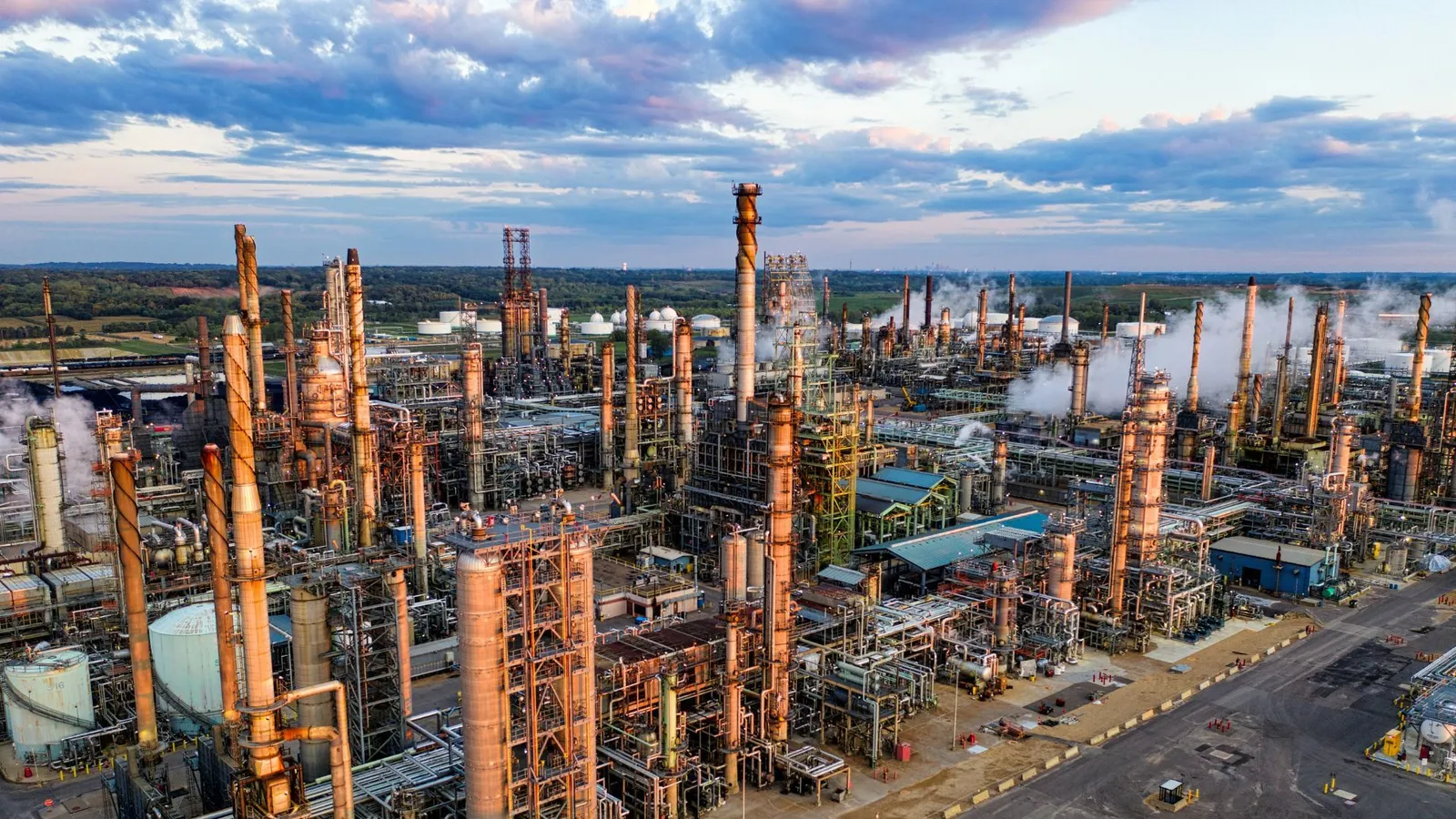
Entering a tank, reactor, silo, or other confined space at an industrial facility does not begin with opening the manhole. First, you need to determine whether the atmosphere inside allows the work to be carried out safely, what hazards may arise during the task, and who will supervise the people working inside. This is precisely why EX-OX-TOX gas testing (gasmeting) and the role of the buitenwacht, also known as a mangatwacht, are so important in the Dutch petrochemical industry. These are responsible tasks that require specific knowledge and, within the SOG-P environment, the appropriate qualifications.
The Dutch term besloten ruimte refers to a confined or enclosed space that is not intended for continuous human occupancy and may present specific hazards when entering or carrying out work inside.
Typical examples include:
It is therefore not limited to a small tank with a single manhole. The procedures that must be followed depend on the characteristics of the space, the type of work being carried out, and the hazards involved.
Substances from previous process operations may remain inside. Gases and vapours may also be generated during cleaning, welding, the use of solvents, or other work activities. Other hazards may include mechanical hazards, high temperatures, restricted evacuation options, or inadequate ventilation.
That is why simply looking through the manhole before entering is not enough. The absence of visible smoke or a distinctive smell does not mean that the atmosphere is safe.
One of the key provisions is Article 3.5g of the Dutch Working Conditions Decree (Arbeidsomstandighedenbesluit). If there is reason to suspect that the atmosphere in a particular location may present a risk of asphyxiation, intoxication, poisoning, fire, or explosion, a worker may only enter that space once testing has established that such a hazard is not present.
The regulations also specify particular values. Under this provision, a risk of asphyxiation exists when the oxygen concentration falls below 18% by volume. A fire or explosion hazard exists, among other situations, when the concentration of flammable gases or vapours exceeds 10% of the Lower Explosive Limit (LEL) or when the oxygen concentration exceeds 21%.
For toxic substances, the applicable occupational exposure limits depend on the specific substance. There is therefore no single universal “TOX” value that can be used to assess all hazardous gases and vapours.
If the hazard cannot be eliminated and entry into a hazardous atmosphere is necessary, the regulations require effective protective measures to be implemented. The person inside must also be continuously monitored, and the work must be organised in such a way that immediate and effective assistance can be provided in the event of imminent danger.
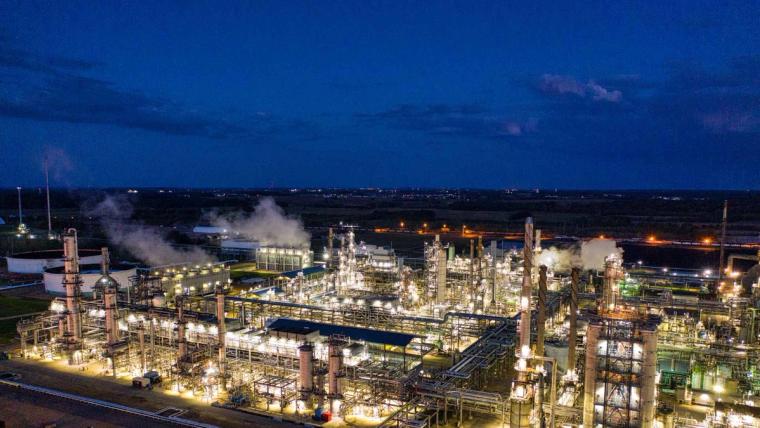
The term EX-OX-TOX refers to three fundamental groups of parameters considered when assessing an atmosphere.
EX refers to the explosion hazard. The gas detector checks for the presence of flammable gases or vapours. The result is often expressed in relation to the Lower Explosive Limit (LEL). However, the reading must be interpreted correctly, as its significance depends, among other factors, on the substance being measured and the instrument being used.
OX refers to oxygen. Both oxygen deficiency and elevated oxygen concentrations can be hazardous. Too little oxygen poses a direct threat to human life and health, while an oxygen-enriched atmosphere increases the risk of fire.
TOX refers to toxic substances. Industrial multi-gas detectors may measure substances such as hydrogen sulphide (H₂S) and carbon monoxide (CO). However, completely different substances may be present in a particular process. The scope of gas testing must therefore correspond to the actual hazards.
A person carrying out gasmeting cannot simply insert a probe into a tank and read the numbers on the display. They must know what they are testing for, where measurements should be taken, how the equipment works, and how to interpret the results.
The atmosphere inside a confined space can change. A satisfactory result obtained before work begins does not guarantee that the same conditions will remain for the next several hours.
The work itself may affect the atmosphere. Welding, cutting, cleaning, the use of chemicals, or changes in adjacent process installations can introduce new hazards. The effectiveness of ventilation is also an important factor.
For this reason, depending on the risk assessment and working conditions, periodic or continuous atmospheric monitoring may be required. Under the SOG-P requirements for working as a buitenwacht, monitoring periodic or continuous EX-OX-TOX measurements is one of the elements involved in supervising safe work in a confined space.
The scope and frequency of gas testing are determined by the risk assessment, site-specific procedures, and the work permit (werkvergunning). You should never assume that one satisfactory measurement means the atmosphere will remain safe throughout the entire shift.
In Dutch job advertisements, you may come across the terms mangatwacht and buitenwacht. Mangatwacht is a commonly used term associated with supervising work at a manhole or confined-space entry point, while the official qualification within the SOG-P system is called Werken als Buitenwacht.
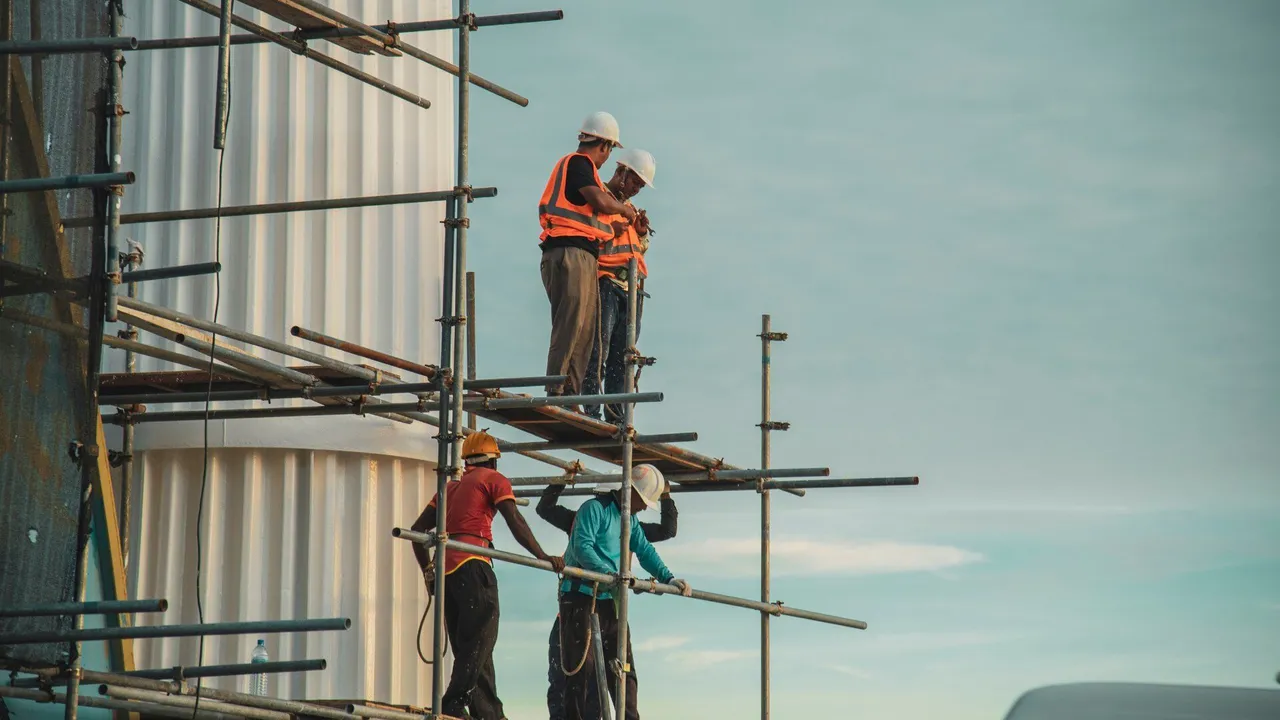
The buitenwacht remains outside the confined space and supervises the people working inside. This person is not a security guard, nor is their only responsibility simply to stand at the entrance.
Their duties include:
While performing their duties, the buitenwacht remains at the designated monitoring station and supervises the situation in accordance with the applicable procedure. They should not leave their post while workers are inside the confined space unless the required replacement has been arranged.
If visual contact with the workers inside is not possible, the method of communication must be agreed before work begins.
Before anyone enters a tank, the buitenwacht must understand what type of space is involved, what work will be carried out, and what hazards may be present.
This includes knowing what substances were previously contained in the tank and what additional hazards may arise during the work itself.
The task is organised on the basis of a werkvergunning, or work permit. It defines the nature of the work, the hazards involved, and the required risk-control measures.
Before entry, the relevant organisational and technical safeguards must also be checked. Depending on the task, these may include:
Emergency arrangements are equally important. The buitenwacht must know whom to alert and how to activate the established emergency response procedure. A rescue plan cannot be developed only after a person inside stops responding.
This is one of the most important aspects of working as a buitenwacht. Their responsibility is to ensure that effective assistance can be initiated and to act in accordance with the pre-established rescue procedure. This does not automatically mean entering the confined space to rescue the casualty.
If a worker has lost consciousness due to oxygen deficiency or a toxic atmosphere, the same hazard may still be present inside the tank. An unplanned attempt to rescue a colleague may therefore result in two people requiring rescue instead of one.
The response must therefore follow the rescue plan established in advance. This is precisely why emergency procedures, reliable communication, and the availability of the personnel and equipment required for the specific type of work are essential.
Gasmeten and Werken als Buitenwacht are not the same qualification. Within the SOG-P system, they are two separate qualifications belonging to the Gasmeten en Buitenwacht cluster.
Gasmeten is intended for employees who perform gas measurements at (petro)chemical facilities and interpret the results obtained. The qualification therefore focuses on carrying out atmospheric testing correctly in high-risk environments.
Werken als Buitenwacht is intended for personnel supervising workers performing tasks inside confined spaces.
Both SOG-P qualifications are currently valid for three years. It is important to remember, however, that an SOG-P qualification is an entry-level qualification. It confirms the basic knowledge and skills required to perform a particular task, but it does not replace practical experience, site-specific instruction, or the procedures applicable at a particular facility.
Atmospheric testing and confined-space supervision are particularly important in the Dutch petrochemical and process industries.
These tasks are commonly required during plant maintenance, tank cleaning, inspections, overhauls, and major plant shutdowns, also referred to as shutdowns or turnarounds.
This type of work can be found in:
The Gasmeten SOG-P qualification may also be applicable outside the petrochemical industry, provided that the specific industry or task is not subject to another qualification scheme. You should therefore always check the client’s requirements before starting a project.
Gasmeten SOG-P training prepares participants to carry out gas measurements and interpret the results. It is not limited to the technical operation of a gas detector.
The SOG-P requirements include, among other things, multi-gas detectors equipped with sensors for detecting explosive atmospheres, oxygen, H₂S, and CO. Photoionisation detectors (PID) are also used for certain types of measurements.
Candidates must understand that a gas detector is a tool, not a device that automatically answers the question: “Is it safe to enter?”
Proper instrument preparation, correct sampling techniques, the sequence in which measurements are performed, and accurate interpretation of the results are all essential. Operators must also understand the properties of the gases being measured and know why the sampling location can affect the result.
For this reason, experience in wearing a simple personal gas detector is not equivalent to being qualified to carry out professional atmospheric testing before confined-space entry.
SOG-P training for a buitenwacht primarily covers recognising the characteristics and hazards of confined spaces, communication procedures, work permits, safety measures, and emergency response procedures.
You need to understand why specific checks are performed before entry, what changes may cause conditions to deteriorate, and when work must be stopped and the appropriate procedure initiated.
The ability to maintain control of the situation when several people are working inside a confined space is also important.
The role of a buitenwacht requires an attentive and disciplined person. Supervising an entry for several hours may appear less demanding than carrying out physical work inside the tank, but losing concentration at the wrong moment can have serious consequences.
Every facility and every task may require different safety measures. There is therefore no single short checklist that can replace a risk assessment, work permit, and site-specific procedures.
Before work begins, however, the following should be clear:
If the answers to these questions are unclear, you should not fill in the gaps with your own assumptions. In industrial environments, procedures exist precisely to minimise improvisation during tasks where an incorrect decision can have serious consequences.
EX-OX-TOX gas testing and working as a mangatwacht/buitenwacht involve responsibility for both your own safety and that of other workers. If you want to develop your career in the Dutch petrochemical industry, process industry, or during shutdowns and turnarounds, the appropriate qualifications can open the door to more specialised roles.
Check out SOG training courses at Bonapi and choose the course that matches the type of work you want to perform. Obtaining a Gasmeten or Werken als Buitenwacht qualification allows you to demonstrate that you are prepared to carry out specific tasks in high-risk working environments.
Additional qualifications can increase your opportunities on the Dutch labour market, but when it comes to confined-space work, their importance goes beyond employability. The knowledge gained during training helps you understand the hazards, respond appropriately to changing conditions, and avoid making safety-critical decisions based on assumptions.
Follow Bonapi on social media or subscribe to the newsletter to receive information about upcoming training courses and practical resources on working safely in the Netherlands.

Author:

Arina
Dział VCA / SCC / BHV
Author:
Arina
Dział VCA / SCC / BHV
Author:
Arina
Dział VCA / SCC / BHV

Author:

Cezary
Dział IPAF / SOG
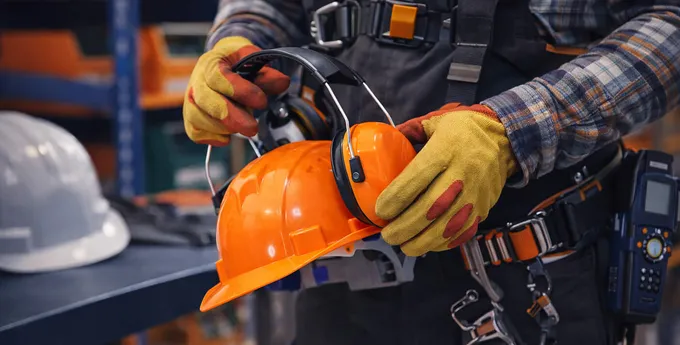
In our shop you will find trusted workwear, PPE and accessories you need for safe work. We offer products chosen by professionals from construction, logistics and industry.