User Panel


Trainings / Courses
Search

Arina
VCA / SCC / BHV Department
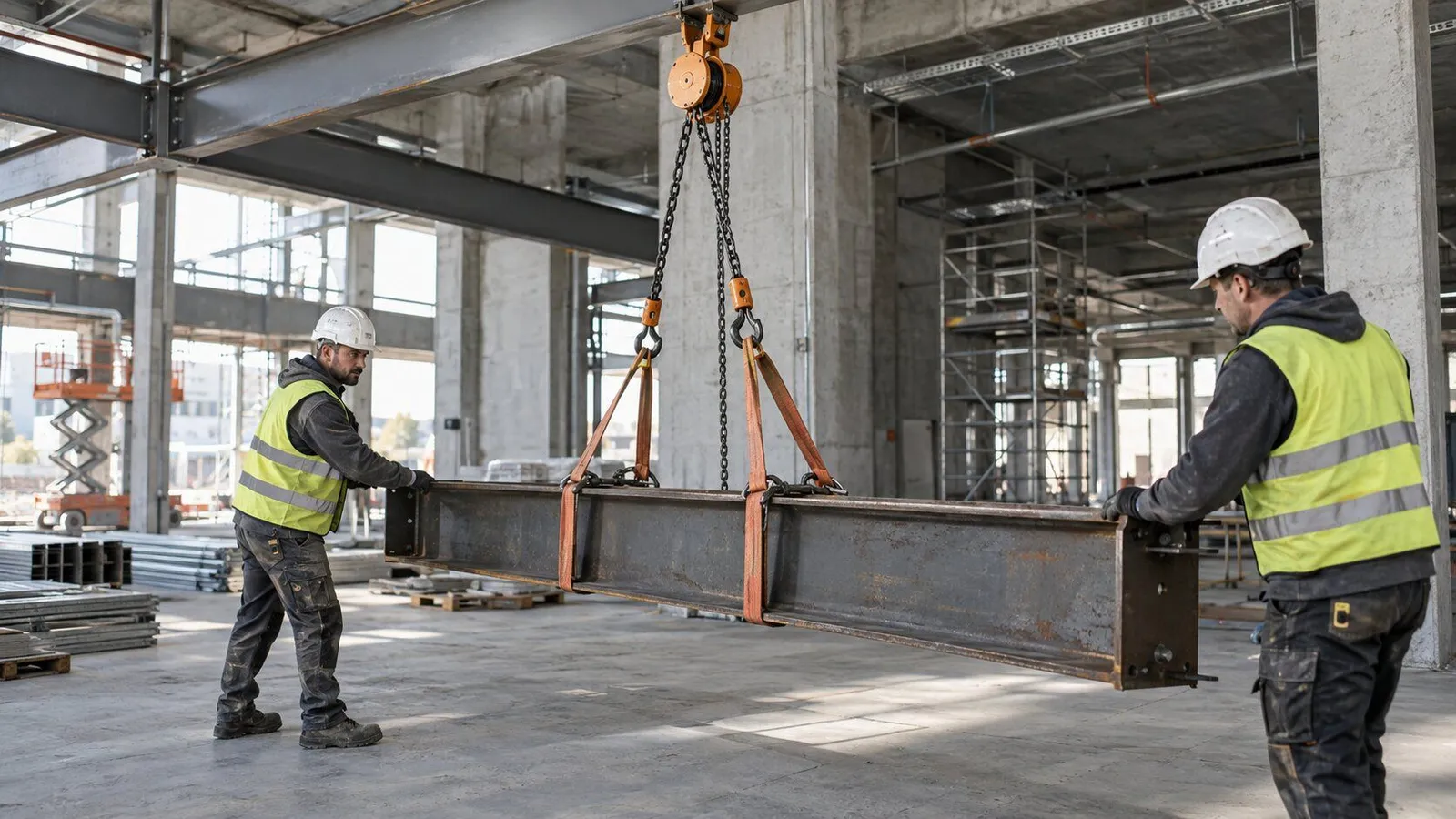
Attaching an installation component to a hoist may look like a simple task. However, incorrectly selected lifting accessories, an incorrectly identified centre of gravity or being in the danger zone can cause a load to fall or move uncontrollably. In Dutch industry, workers carrying out this type of work may be required to hold a VVL-H qualification.
VVL-H stands for the Dutch Verplaatsen van Lasten met Handhijsgereedschap, meaning moving loads using manual lifting equipment. It is one of the SOG-P qualifications used within the Dutch occupational safety system.
VVL-H applies to workers who independently attach and move loads using equipment such as manual chain hoists, lever hoists, beam trolleys and beam clamps. The qualification is particularly relevant to work carried out in industrial and petrochemical installations.
A typical task might involve replacing a section of pipework, a valve, motor or another component of an installation. The load must be correctly attached, lifted, repositioned, moved through or around a structure and safely placed in its final position. In practice, the job often involves much more than simply lifting an object vertically.
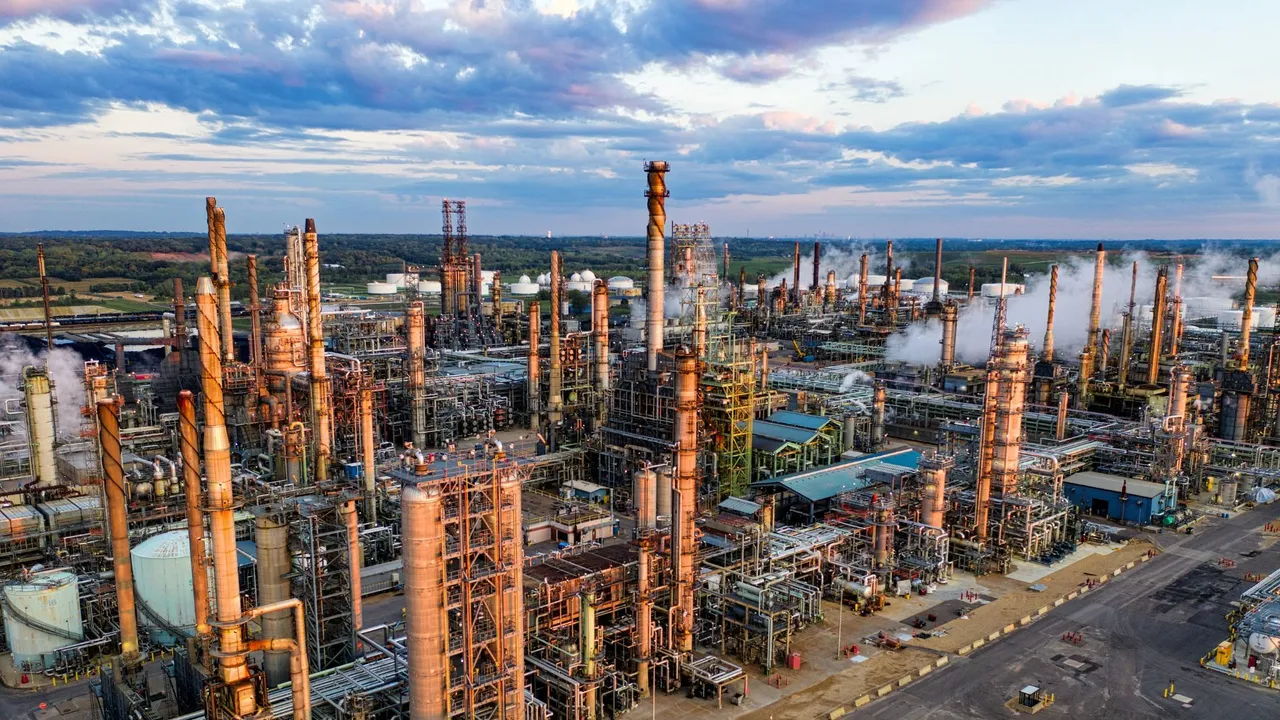
VVL-H is most commonly encountered in Dutch industry, particularly at petrochemical and chemical plants and other facilities where extensive safety procedures apply. SOG-P qualifications were developed specifically for carrying out higher-risk work in these types of environments.
VVL-H may be relevant to work involving:
Industrial fitters, mechanical technicians, pipefitters, maintenance workers and employees involved in plant overhauls and technical shutdowns may therefore encounter a requirement to hold VVL-H.
This does not mean, however, that everyone who lifts any object in the Netherlands must hold a VVL-H qualification. The scope of the qualification is specific: it concerns the safe movement of loads using manual lifting equipment, particularly in higher-risk industrial environments.
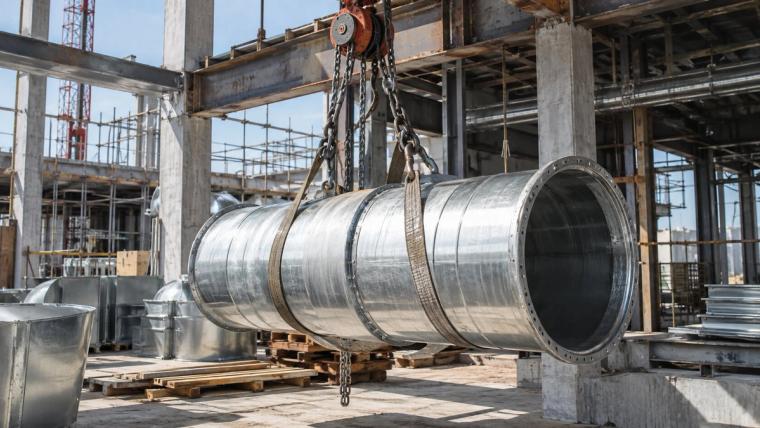
An important distinction needs to be made here. Dutch occupational health and safety legislation does not state that every person carrying out this type of work must hold a document specifically called a ‘VVL-H certificate’. The legislation does, however, impose specific obligations regarding the safe use of equipment and the appropriate preparation and instruction of workers.
The legal framework is provided by the Arbowet and Arbobesluit, the Dutch Working Conditions Act and Working Conditions Decree. Under Article 8 of the Arbowet, employers must provide workers with effective information and instruction concerning their work, the associated risks and the measures intended to prevent or reduce those risks.
For lifting work, Article 7.20 of the Arbobesluit concerning lifting accessories is also particularly relevant. The regulations require, among other things, that the equipment used is suitable for the characteristics of the load, the attachment points, the method of attachment and the lifting operation being carried out. Lifting accessories must not be loaded beyond their safe working load, and lifting equipment is subject to periodic inspections.
VVL-H is therefore an industry-recognised way of demonstrating competence to carry out specific types of work rather than a universal ‘licence for attaching loads’ required directly by law. An industrial facility, client or main contractor may, however, require the relevant qualification before allowing a worker to carry out a particular task.
One of the biggest mistakes is reducing this type of work to ‘attaching a sling and pulling the chain’. Moving a load safely begins before it ever leaves the ground.
First of all, the worker must assess the weight and centre of gravity of the load. If the centre of gravity is identified incorrectly, the load may tilt, rotate or slip out of the chosen attachment arrangement once it is lifted.
The next step is to select the correct attachment points and lifting accessories. Their safe working load and the way in which they will be loaded during the particular operation must be taken into account. The technical condition of the equipment is also important.
The route along which the load will be moved must also be controlled throughout the operation. Space in an industrial installation is often restricted by pipework, steel structures, machinery and other infrastructure. In some situations, the load may need to be transferred to another hoist or the suspension point may need to be changed during the operation.
The scope of the qualification demonstrates that VVL-H is strongly focused on the practical performance of lifting and load-moving operations. The official SSVV examination requirements include tasks such as securely attaching a section of pipework, lifting and tilting it, and moving it through a structure using beam trolleys, hoists and beam clamps.
This clearly illustrates the difference between VVL-H and simply receiving instructions on how to operate a hoist. The worker must understand the entire load-moving process. Training covers areas including:
Another important concept is the line of fire – the danger zone in which a person could be struck, crushed or caught if a load moves uncontrollably or falls. Correctly attaching a load does not eliminate the risk if a worker is standing in the wrong place.
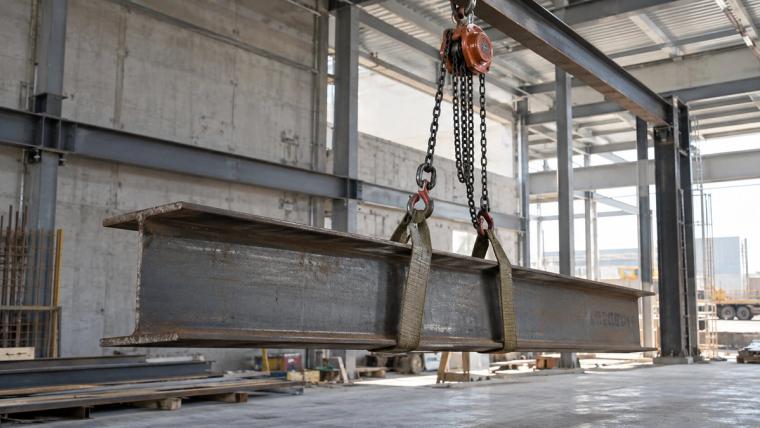
These two abbreviations are sometimes confused because both relate to moving loads. However, the activities covered by each qualification are different.
VVL-H, or Verplaatsen van Lasten met Handhijsgereedschap, concerns moving loads using manually operated lifting equipment. An example would be using hoists, beam clamps and beam trolleys when removing and relocating part of an installation.
ABvL stands for Aanslaan en Begeleiden van Lasten. This qualification concerns attaching and guiding loads that are moved using a crane. In this situation, the worker cooperates with the crane operator and is responsible, within the scope of their duties, for correctly attaching the load and safely guiding the operation.
If your job involves independently moving installation components using manual lifting equipment, VVL-H may therefore be the appropriate qualification. If you are responsible for attaching and guiding loads during crane operations, you should check the requirements relating to ABvL.
At some facilities, a worker may carry out both types of tasks. In that case, holding both qualifications or completing training that combines both areas may be relevant.
The SOG-P VVL-H qualification is valid for five years. After this period, the qualification must be renewed if it is still required for the work being carried out.
It is important to remember that obtaining the certificate does not automatically give someone the right to perform any lifting operation at any site. SSVV defines SOG-P qualifications as initial qualifications. The company where you begin work remains responsible for ensuring that you receive an appropriate introduction to the conditions and rules that apply at the specific location.
You may therefore hold a valid VVL-H certificate and still be required to complete a site induction, familiarise yourself with local procedures or receive additional instructions relating to a particular task before starting work.
A load behaves differently when it is being lifted than when it is standing securely on the ground. Once its weight is taken by the hoist, mistakes in identifying the centre of gravity, choosing the attachment method or positioning the attachment points immediately become apparent. The problem is that by then it may already be too late to make a safe correction.
The danger is not limited to the entire load falling. A load can rotate, tilt, shift, strike a structure or crush a worker’s hand or foot. Incorrectly used lifting accessories can also break or become damaged, creating another serious hazard.
Preparation for this type of work therefore involves both technical knowledge and safe working habits. A worker should be able to stop the operation if the weight of the load is unknown, they are unsure about the attachment points, they notice damaged equipment or there is no safe route for moving the load.
VVL-H training is primarily intended for people whose work requires them to independently attach and move loads using manual lifting equipment in an industrial environment.
It may therefore be relevant to workers involved in the installation, dismantling, maintenance and overhaul of industrial systems, particularly in the Dutch petrochemical and process industries.
If an employer is sending an entire team to work at such a facility, it is sensible to establish the responsibilities of individual workers in advance. Not every member of the team needs to perform exactly the same tasks, so the required qualifications should reflect the actual scope of their work and the requirements of the client or facility.
If your employees will be carrying out work in the Netherlands involving the attachment and movement of loads, proper preparation helps reduce the risk of mistakes and makes it easier to meet the requirements imposed on teams working at industrial sites.
Bonapi provides VVL training for individual workers and entire groups. We can train a team that you are preparing for a specific project, maintenance shutdown or work in Dutch industry. Contact Bonapi and ask about VVL training tailored to the needs of your employees.
Follow Bonapi on social media or subscribe to the newsletter if you would like to receive information about training courses, certificates and requirements for working in the Netherlands.

Author:

Arina
Dział VCA / SCC / BHV
Author:
Arina
Dział VCA / SCC / BHV
Author:
Arina
Dział VCA / SCC / BHV
Author:
Arina
Dział VCA / SCC / BHV

Author:

Cezary
Dział IPAF / SOG
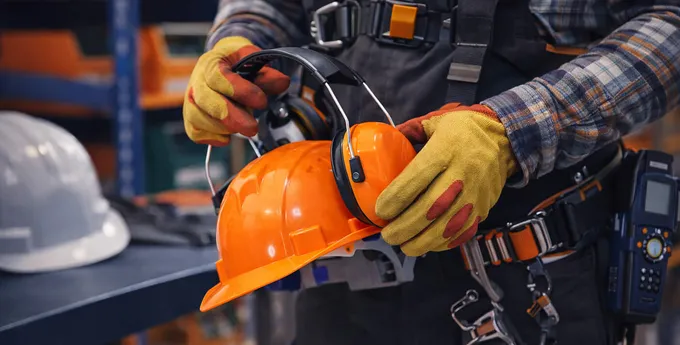
In our shop you will find trusted workwear, PPE and accessories you need for safe work. We offer products chosen by professionals from construction, logistics and industry.