User Panel


Trainings / Courses
Search

Arek
Forklift & IPAF Instructor
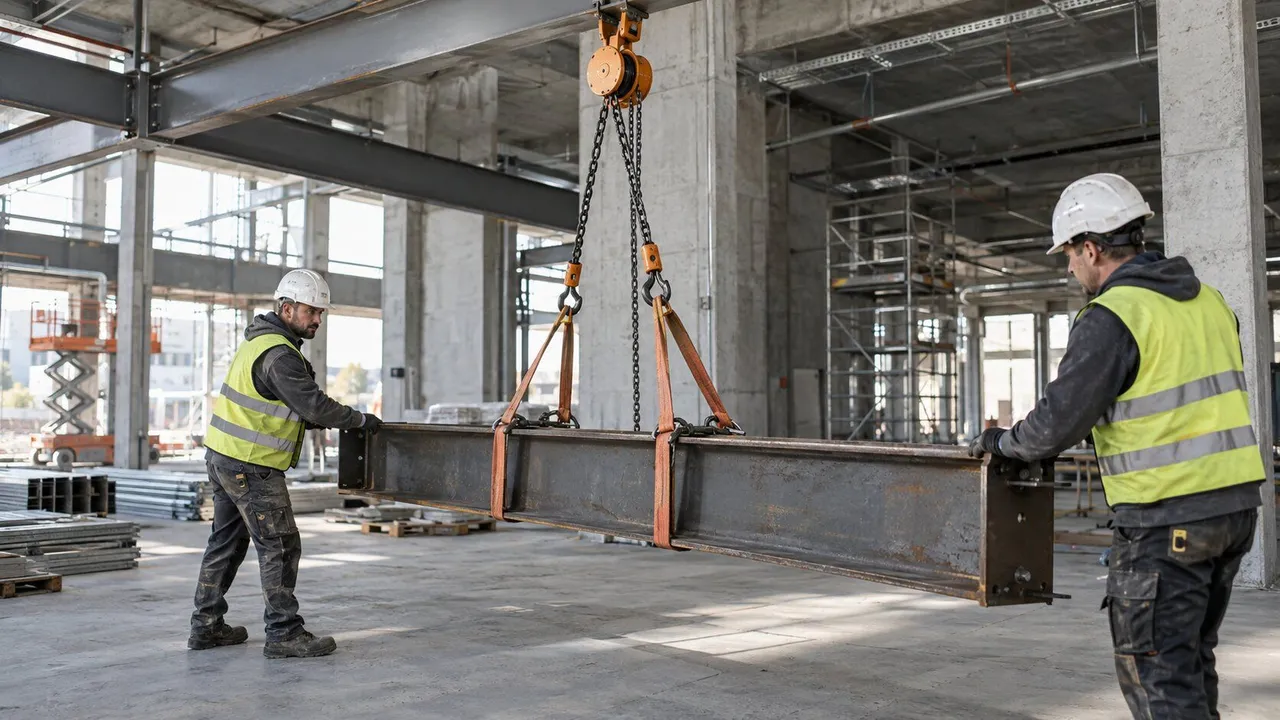
Have you been operating a forklift for years and wonder if the exam could still surprise you? Or are you just starting your career as a forklift operator and want to know what to expect from your first training course?
In the Netherlands, experience matters, but knowing how to operate a forklift isn't enough. The exam focuses primarily on safety: identifying risks, checking the equipment, handling loads correctly, and responding to unexpected situations that can arise in a warehouse at any time.
In this article, we explain what to expect from the forklift exam, how training differs for beginners and experienced operators, and when you should plan to renew your certificate.
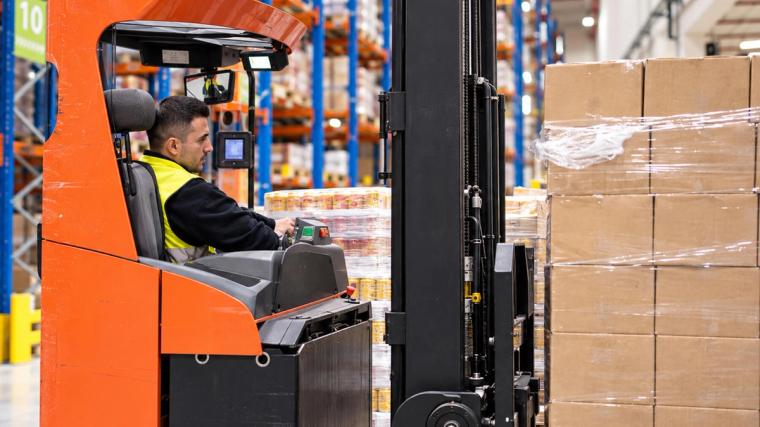
Not every training participant starts from scratch. Some are just learning the basics of forklift operation, whilst others have been transporting pallets, handling loads and manoeuvring through narrow warehouse aisles for years.
The basic course is designed for those who need to learn how to operate a forklift from the very beginning. It covers theory, familiarisation with the machine, safety rules and practical exercises.
The forklift course for experienced operators is usually shorter. It assumes that the participant already knows how to operate the machine, so greater emphasis is placed on assessing skills, safety and eliminating bad habits. It is precisely these habits that can pose the greatest challenge during training – many years’ experience does not automatically mean that every manoeuvre is carried out in accordance with safety rules.
In the Netherlands, the document commonly referred to as a forklift certificate (heftruck certificaat) is usually proof of having completed the relevant training and successfully demonstrated one’s knowledge and skills.
It is not a state-issued driving licence, nor is it a standardised document issued to all operators by a single authority.
Dutch health and safety regulations do, however, require that persons operating certain mobile work equipment, including forklift trucks, possess the appropriate competence and training.
For the employer, the certificate is an important means of documenting the operator’s training. However, it does not exempt the company from the obligation to provide instruction specific to the particular piece of equipment and the conditions prevailing at the workplace.
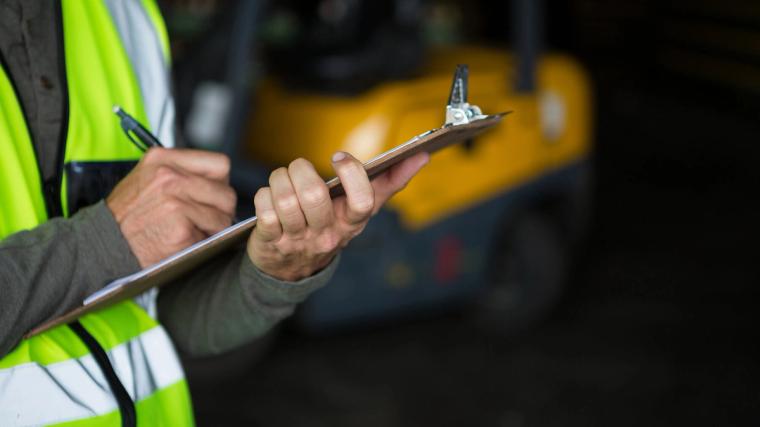
A forklift truck test in the Netherlands usually consists of a theory and a practical part. Candidates must demonstrate that they are familiar with the basic safety rules and are able to apply them when operating the machine.
In the Netherlands, there is no single national exam with an identical number of questions, duration and marking criteria for all training centres. The specific format depends on the organiser and the type of training.
The theory is not simply about memorising regulations. Its aim is to assess whether the operator understands the hazards they may encounter during the day-to-day operation of a forklift truck.
Typical topics include:
Anyone searching online for the phrase ‘forklift theory test questions’ should focus not only on memorising the answers, but above all on understanding the principles of safe operation.
In the practical part, theory meets the reality of the warehouse.
The examiner observes not only whether the operator is able to lift a pallet and move it to the designated location. The manner in which the entire task is carried out is also important.
The following, amongst other things, may be assessed:
The practical forklift truck test is designed to demonstrate whether the candidate can safely carry out tasks corresponding to the actual duties of an operator.
Not every minor mistake during a manoeuvre means you will fail the exam. However, mistakes that could lead to an accident, damage to equipment, or loss of load stability are taken much more seriously.
Some of the most dangerous mistakes include driving too fast, failing to check your surroundings when reversing, ignoring pedestrians, and travelling with a load raised too high.
Problems can occur when making tight turns, positioning the forklift correctly in front of a pallet, parking, or operating the forks precisely. Hitting warehouse racking or knocking over objects is also considered a serious safety risk.
Incorrectly positioning the forks under a pallet, transporting an unstable load, exceeding the forklift's maximum lifting capacity, or making sudden turns while carrying a load can create serious hazards.
The most important thing to remember is simple: safe forklift operation matters more than completing a task quickly.
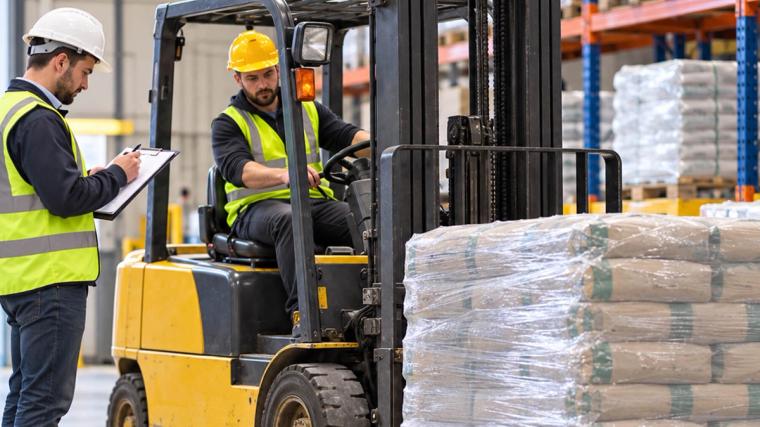
The practical part of the exam should reflect the tasks carried out in warehouses, production facilities and logistics centres.
Before setting off, the operator should ensure that the machine is fit for safe operation.
The inspection may include checking the condition of the forks, mast, wheels, controls, warning signs and safety belts, as well as checking for any visible damage or leaks.
This is one of the operator’s basic tasks. The examiner checks the position of the forklift in relation to the pallet, how the forks are inserted, the lifting of the load and its safe transport.
It is also important to maintain the correct transport height and ensure stability whilst moving.
Not every warehouse has wide aisles and plenty of space for turning round.
During the practical test, you may be asked to carry out tasks requiring precise driving, reversing, avoiding obstacles and manoeuvring the forklift in confined spaces.
A forklift operator is rarely the only person moving around the warehouse. Therefore, during practical training, it is also important to maintain safe distances, keep an eye out for pedestrians, observe signage and be familiar with the rules of right of way applicable on the premises.
A pass means that the participant has demonstrated the required level of knowledge and the ability to operate the equipment safely.
Training centres may use different assessment sheets and methods.
Behaviour that poses a serious risk may be considered a critical error, e.g. losing control of the load, performing a dangerous manoeuvre near another person, or colliding with a rack.
The detailed rules and conditions for passing should be specified by the exam organiser.
Once you have received the document, you should first and foremost check:
Any errors in the details may cause unnecessary difficulties when your employer verifies the document.
Failing the test does not necessarily mean you have to start the whole training course from the beginning.
It is possible to retake the forklift truck test, have specific skills reassessed, or undertake additional practice.
However, the final procedure depends on the rules adopted by the specific training centre.
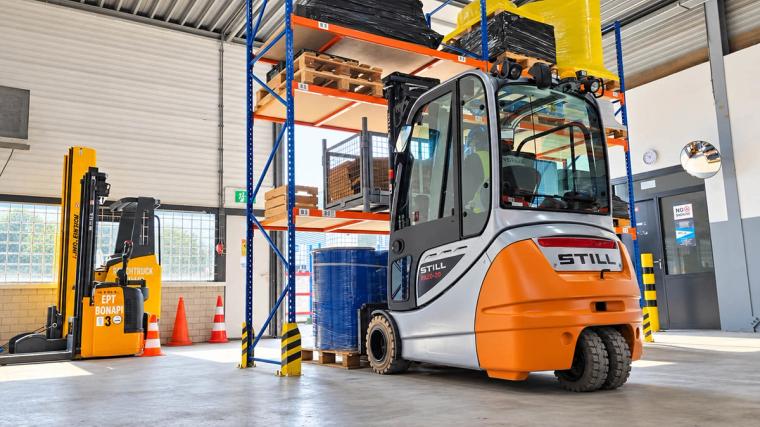
It is worth preparing for the forklift truck test in terms of both theory and practice. Even those with many years’ experience may find it difficult to answer questions about regulations or safety rules, which they do not necessarily have to consciously consider in their day-to-day work.
In the theory section, you should focus primarily on the forklift’s load capacity, load stability, centre of gravity, rules of movement within the warehouse and daily technical checks of the machine. It is also important to be familiar with the markings and information on the rating plate.
A good way to prepare in advance is to take the practice tests available on the Bonapi Training Centre website. These allow you to test your knowledge, familiarise yourself with sample questions and get a better idea of what topics to expect during the theory exam.
Before the test, it is a good idea to practise starting off, braking, reversing, turning, parking, positioning the forks, and picking up and setting down pallets.
It is particularly useful to practise manoeuvres in confined spaces, where even a small mistake can have much more serious consequences.
The most important issues relate to checking the equipment, the maximum load capacity, load stability, appropriate speed, visibility and safe behaviour around pedestrians.
This knowledge is useful not only during the test, but above all in your day-to-day work in the warehouse.
Experienced operators should pay particular attention to habits picked up during their day-to-day operation of the forklift. Skipping pre-drive checks, taking bends too quickly or transporting loads at the wrong height are examples of behaviour that can affect the test result.
If it has been several years since you last operated a forklift, it is wiser to choose a training course with more practical sessions. After all, the test is designed to assess not only your knowledge of the machine, but above all your ability to operate it safely.
A forklift certificate isn’t something you should forget about once you’ve completed your training. In the Netherlands, certificates issued by training centres are usually valid for five years, although this is not a standard period set by law.
You can renew your forklift certificate by taking a refresher course (herhalingscursus). This is a shorter training programme designed for operators who already have experience using forklifts. Instead of starting from scratch, participants review essential safety rules, refresh their knowledge, and have their practical skills assessed again.
It’s important to complete your refresher course before your current certificate expires. Once it has expired, you may no longer qualify for the shorter training option, and some training centres may require you to complete the full beginner course again.
Rather than waiting for a reminder from your employer, check your certificate’s expiry date in advance and plan your forklift certificate renewal in the Netherlands before it runs out.
A forklift refresher course, known in Dutch as herhalingscursus, is mainly intended for operators who already have experience using forklifts.
The course focuses on reviewing essential safety rules, refreshing existing knowledge, and confirming that the operator can still carry out their tasks safely.
It’s best to schedule your refresher training before your current forklift certificate expires..
There is usually a reassessment of knowledge and practical skills, including an examination.
This does not necessarily have to be exactly the same as the examination following the basic course. The scope of the assessment depends on the centre, the refresher programme and the type of equipment.
An expired certificate does not automatically mean that the operator has lost all their experience.
It may, however, mean that the employer will require their competence to be re-assessed before they are authorised to operate the machinery.
If the operator continues to use the forklift truck regularly, some training centres allow them to attend a refresher course even after the previous certificate has expired.
A full training course may be the right solution if the operator has not used the forklift for a long time, has significant gaps in their skills, or intends to start operating a different type of forklift.
Renewing a forklift certificate in the Netherlands does not usually require retaking the entire basic course.
The refresher training focuses primarily on up-to-date knowledge, correct practices and practical safety.
Participants are reminded of the most important rules for safe operation, technical inspections and responding to breakdowns.
Procedures relating to vehicle and pedestrian traffic on the premises may also be discussed.
During the exercises, greater attention is paid to the operator’s habits, how they observe their surroundings, speed control and the stability of the loads being transported.
The instructor or examiner checks whether the participant is operating the equipment correctly, carrying out manoeuvres safely and responding appropriately to potential hazards.
It is consistency in adhering to safety rules that is of the utmost importance.
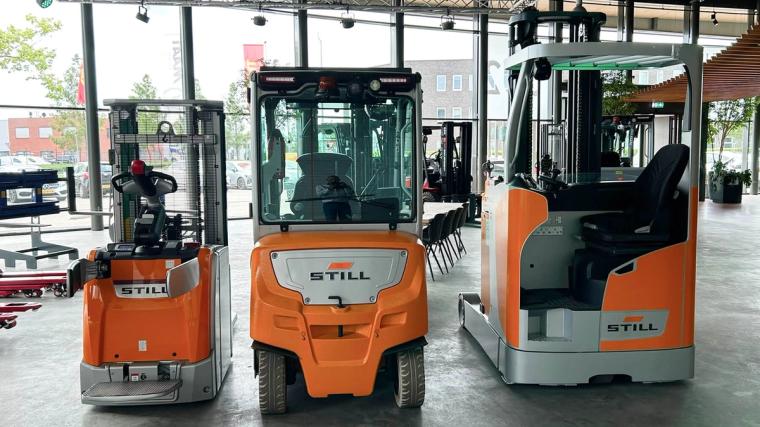
Not every warehouse forklift requires the same skills. Therefore, the scope of the training and the certificate awarded should correspond to the equipment that the operator actually uses.
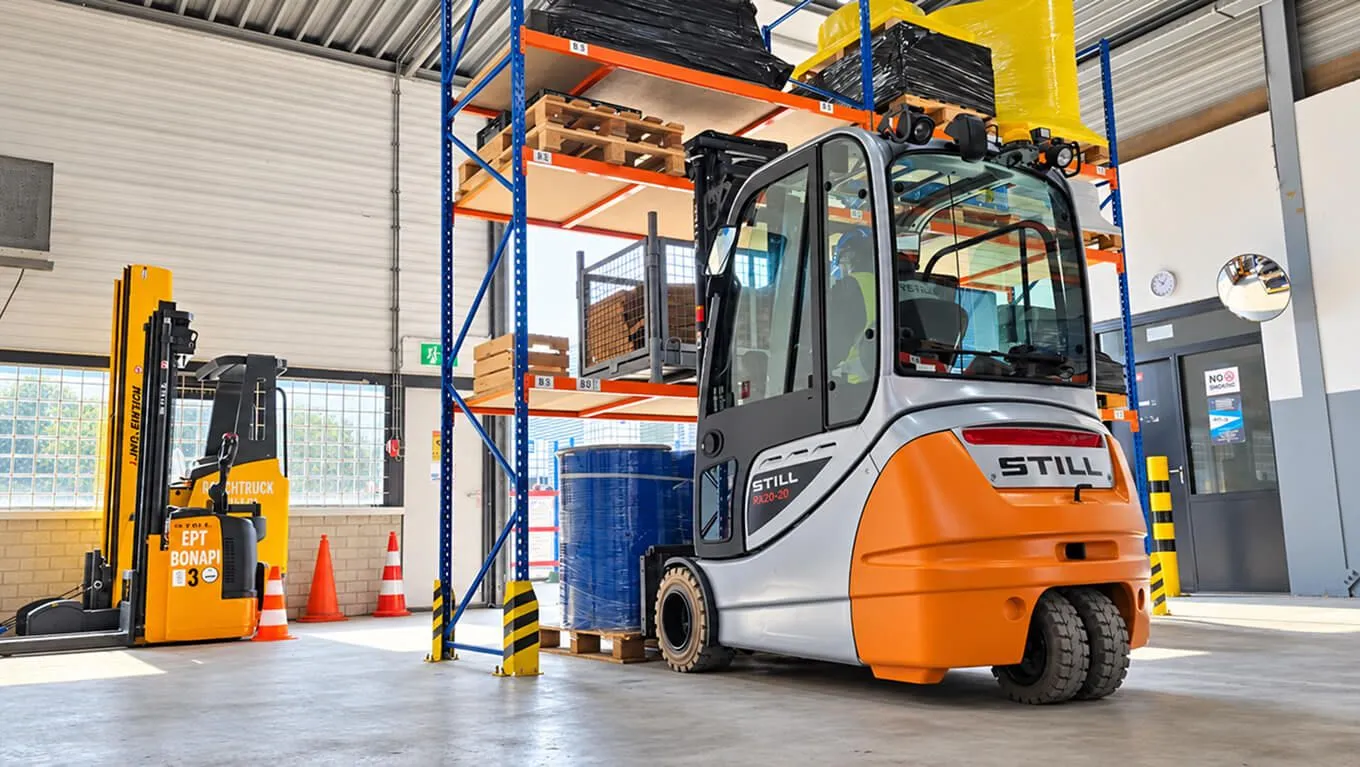
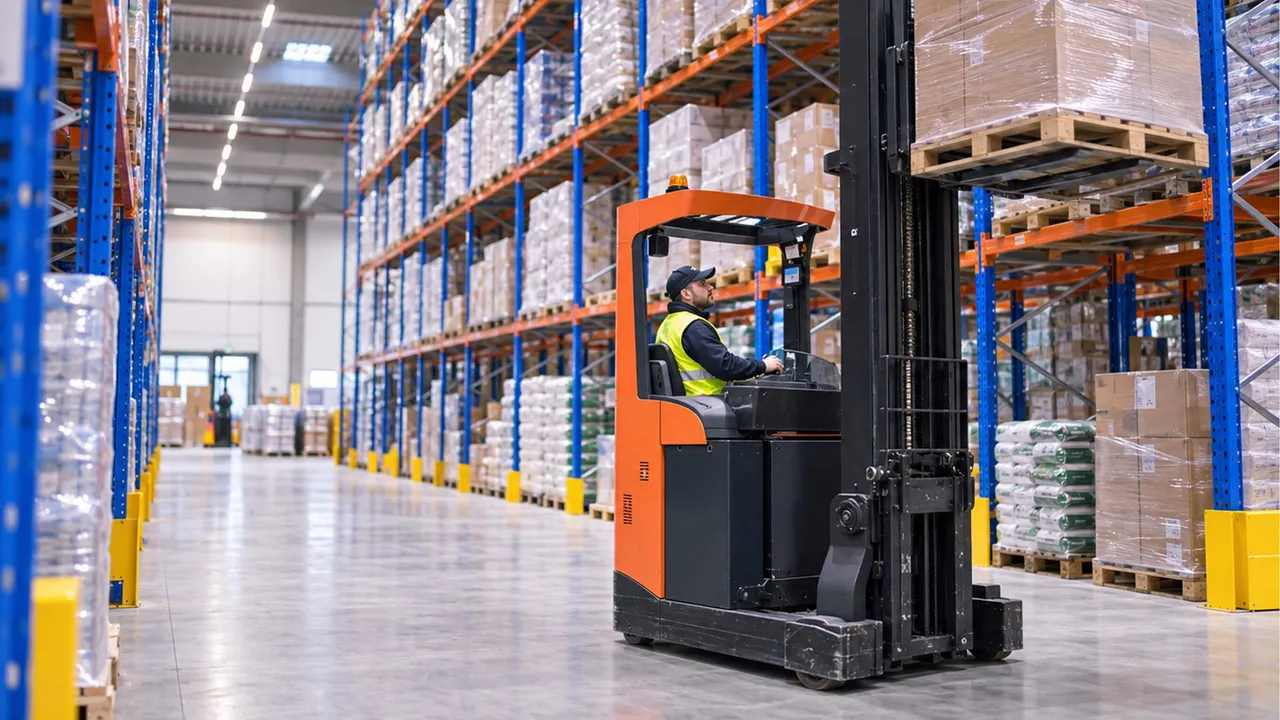
Forklift trucks and reach trucks differ in terms of design, control systems and application.
Therefore, the renewal of a forklift truck certificate should cover the skills required to operate a forklift truck, whilst the renewal of a reach truck certificate should confirm competence in operating a high-reach truck.
Combined training courses are also possible if the programme covers the relevant types of equipment.
In the case of EPT electric pallet trucks, the extent of the training required depends on the type of equipment and the hazards involved in its operation.
Even if the employer does not require a separate certificate, the operator should receive appropriate training and instructions on the safe use of the equipment.
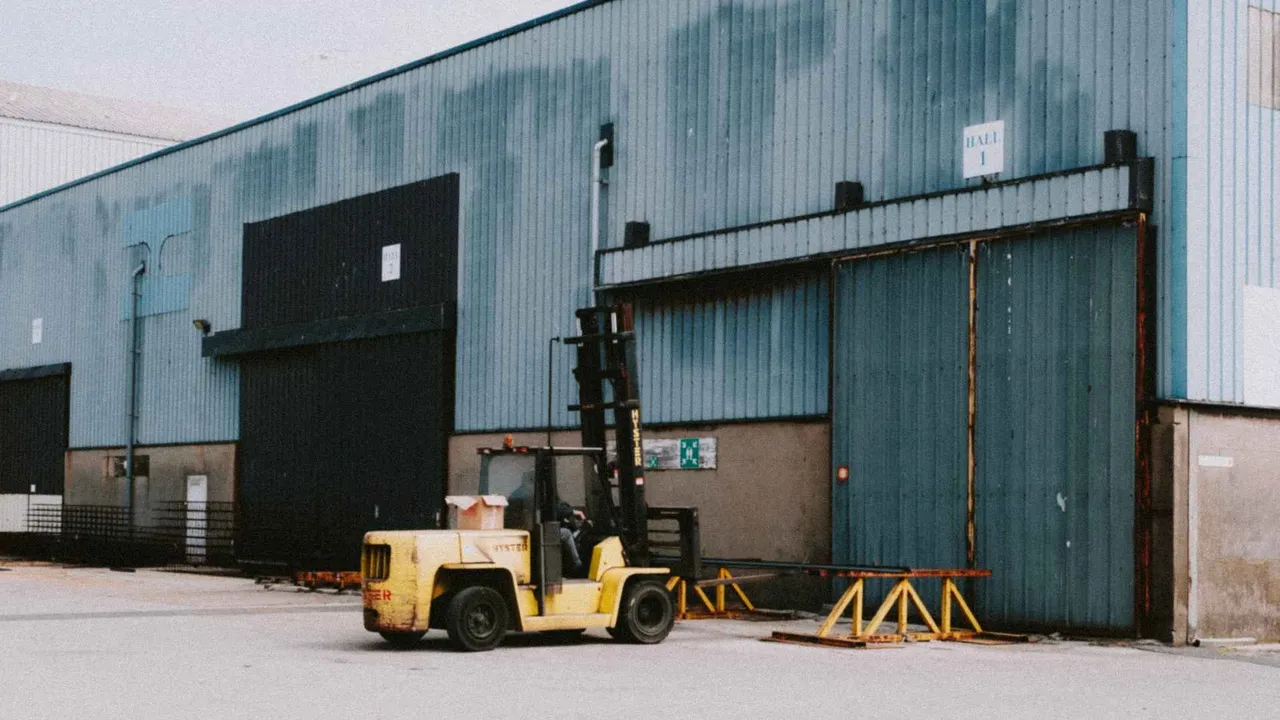
Not every warehouse uses the same type of forklift. In one company, an operator mainly operates a counterbalanced forklift; in another, a reach truck; and in yet another, they must regularly use several different types of equipment.
Therefore, before choosing a training course, it is worth checking what types of forklifts will be used in a particular role. A certificate covering only forklift trucks does not automatically confirm the ability to operate a reach truck or an EPT.
For those seeking greater flexibility, the 3-in-1 forklift truck course available at the Bonapi Training Centre is a good option. During a single training session, participants acquire the skills to operate three types of equipment: forklift trucks, reach trucks and electric pallet trucks (EPTs).
This means there is no need to enrol on three separate courses, and the broader scope of the certification helps to avoid the limitations associated with holding a certificate for just one type of forklift. This is a particularly practical solution for those who change roles, move between warehouses or wish to expand their career prospects.
Certificates issued by training centres may be accepted by various employers and employment agencies.
However, this does not imply an automatic obligation to recognise every document. A company may carry out further checks on an operator’s skills or require training specific to a particular piece of equipment.
Dutch and English are not the only languages in which you can obtain a forklift certificate in the Netherlands. Due to the international nature of the logistics sector, many training centres tailor their programmes to employees from different countries. Consequently, training courses in Polish, Romanian, Russian and Ukrainian are becoming increasingly available.
Here at Bonapi, forklift training courses are available in as many as 14 languages, allowing participants to gain knowledge and sit exams in a language they understand well.
This is particularly important during the theory section, where questions cover, amongst other things, safety rules, load stability and how to respond correctly to hazards. Knowledge of these rules should not depend on one’s level of Dutch.
The option to undertake training and sit the exam in a language they understand makes it easier to prepare for operating a forklift truck and allows them to focus on what matters most – acquiring the knowledge and skills needed to work safely.
When enrolling on a course for experienced drivers, the organiser may ask about your length of service, the type of forklift you have operated and your previous duties. However, written confirmation from your employer is not always required.
In practice, the easiest way to verify experience is whilst driving. An experienced instructor can assess whether a participant is genuinely familiar with the machine after just a few initial manoeuvres. A lack of confidence behind the wheel, difficulties operating the forks or basic mistakes when reversing quickly reveal the difference between claimed and actual experience.
It is therefore not worth exaggerating your skills when enrolling. A shorter course assumes a knowledge of the basics, and choosing a training programme that is not suited to the participant’s level may make it difficult to pass the exam.
For experienced operators, a refresher course can take as little as one day. However, finding a suitable date can be more of a challenge, particularly when an employer requires a valid certificate immediately.
That is why it is worth looking for centres offering flexible dates. With us, training can be organised even at short notice, thanks to the availability of instructors and the ability to tailor the schedule to participants’ needs.
Once the exam has been passed, we also ensure the certificate is issued promptly so that the operator can provide their employer with confirmation of their skills as soon as possible.
The duration of the forklift truck test in the Netherlands depends on the training centre, the type of forklift and the course option chosen. There is no single, fixed test duration, so individual centres may apply different rules.
At our training centre, the two-day front-loading forklift test lasts around 75 minutes and assesses both theoretical knowledge and practical skills. The training course itself, including the test, can last one or two days, depending on the participant’s experience.
The most important things are manoeuvring safely, being aware of your surroundings, maintaining the stability of the machine, and lifting, transporting and setting down loads correctly.
Many certifying bodies apply a five-year validity period. However, this is not a standard statutory period for all certificates. You should check the date on your certificate and your employer’s requirements.
Yes, but it is worth bearing in mind that renewing a certificate before it expires is usually cheaper and quicker than retaking the full training course. You can take a shorter and cheaper refresher course, provided that your current certificate is still valid. This can even be on the very last day of its validity. This means that an experienced operator does not have to retake the entire basic course.
If the certificate has already expired, the possibility of renewal depends on the training centre’s rules and may require you to complete the full course. It is therefore worth checking the date on the document well in advance to avoid additional costs.
Yes, because a front-loading forklift and a reach truck are two different types of equipment, each requiring different operating skills. If you wish to obtain a certificate for both types of forklift, you must demonstrate your practical skills on each one.
However, this does not mean you have to enrol on two separate training courses. You can opt for a combined course covering both forklift trucks and reach trucks, known as a ‘3-in-1’ course.
Whether you’re just starting out as a forklift operator or already have many years’ experience, the right training course will help you organise your knowledge and validate your skills.
At the Bonapi Training Centre in Spijkenisse, we organise forklift training courses, including heftruck, reachtruck and EPT. Courses are available tailored to participants’ levels of experience.
Would you like to obtain a certificate or find out how to renew it?



Author:

Arina
Dział VCA / SCC / BHV
Author:
Arina
Dział VCA / SCC / BHV
Author:
Arina
Dział VCA / SCC / BHV
Author:
Arina
Dział VCA / SCC / BHV

Author:

Cezary
Dział IPAF / SOG
In our shop you will find trusted workwear, PPE and accessories you need for safe work. We offer products chosen by professionals from construction, logistics and industry.