User Panel


Trainings / Courses
Search

Arek
Forklift & IPAF Instructor
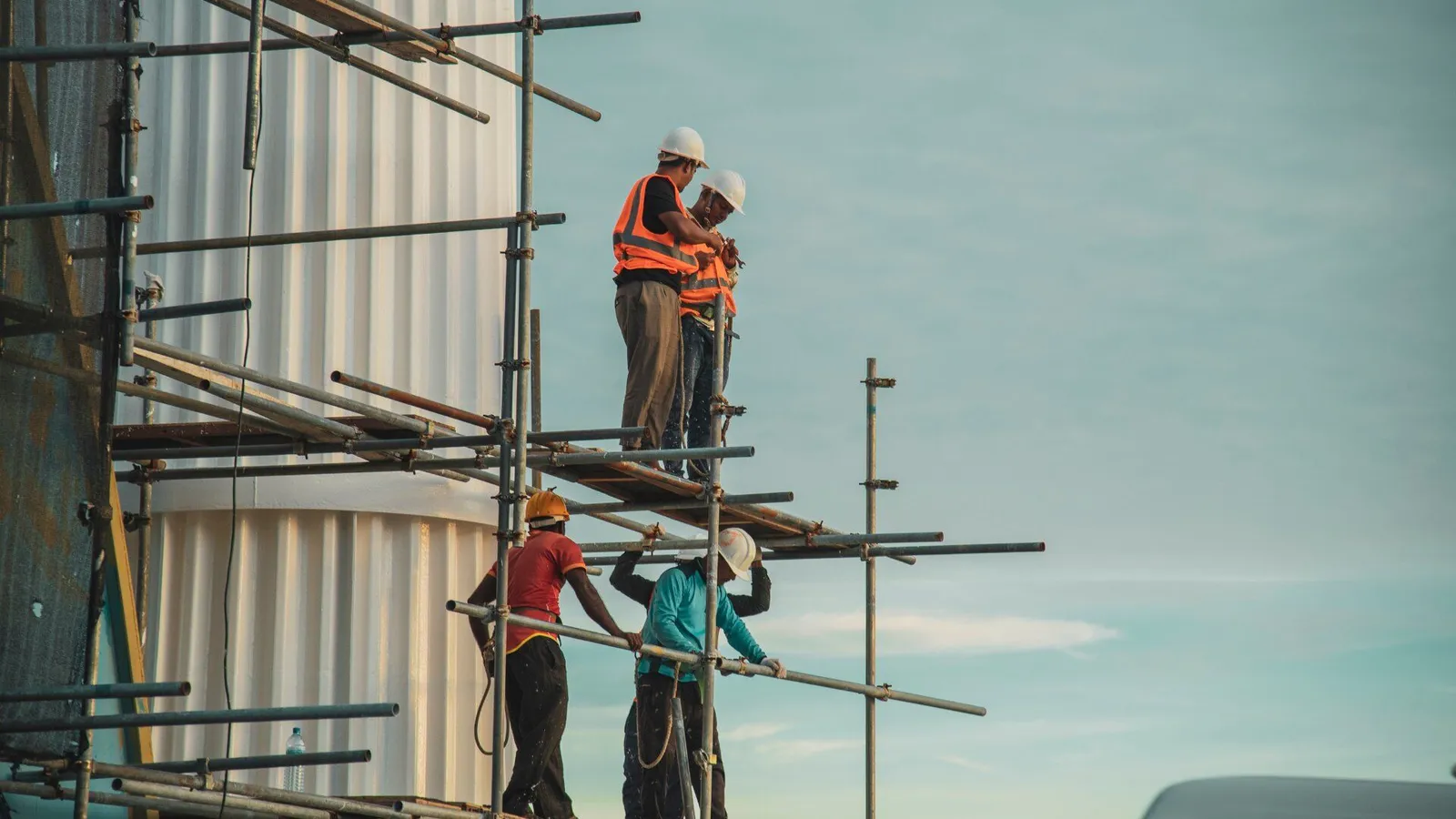
Working in the scaffolding industry in the Netherlands offers opportunities to progress from assisting with simple scaffold structures to becoming a specialist responsible for inspecting them. However, Hulpmonteur, Monteur, Eerste Monteur and Steigerinspecteur are not simply different names for the same job. Each level involves a different scope of competence, independence and responsibility. If you work with scaffolding or are planning to train your team in the Netherlands, it is worth understanding this career path and knowing which tasks can be carried out at each stage.
In the Netherlands, the competencies of people involved in scaffold erection have been structured within the Richtlijn Steigers, the industry guidelines for scaffolding. Stichting Veilig Werken Op Hoogte (SVWOH) is responsible for the system used to certify professional qualifications.
A typical career path in scaffolding may look like this:
This does not mean, however, that Steigerinspecteur is simply the ‘highest level’ of scaffolder. At this stage, the nature of the work changes significantly. A scaffolder primarily erects and dismantles scaffold structures, while an inspector has the competencies required to assess and inspect them.
The Dutch system also includes other roles, such as Voorman Steigerbouw, or scaffolding supervisor. In this article, however, we focus on four positions that clearly illustrate the progression from starting work in scaffolding to specialising in scaffold inspection.
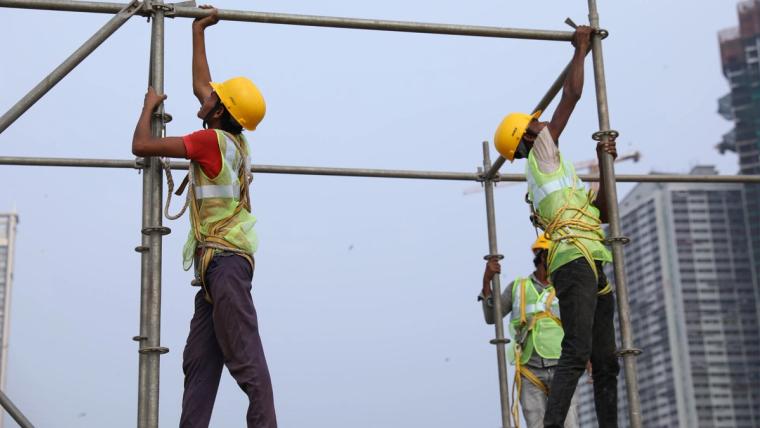
Hulpmonteur Steigerbouw is a position intended for someone starting work in scaffold erection and dismantling. Since 1 December 2025, the Netherlands has operated the new Hulpmonteur Steigerbouw 2.0 system. Under SVWOH rules, someone at this level may assist with the erection and dismantling of simple scaffolds classified as difficulty level 1, but must work under the supervision of a Monteur, Eerste Monteur or Voorman.
This distinction is important. A Hulpmonteur is not yet an independent scaffolder. They can participate in the work and gain practical experience, but their level of responsibility remains limited.
A Hulpmonteur learns about scaffold components and how they are used, the safe handling and passing of materials, and the correct organisation of the work area. They also learn how to work safely during erection and dismantling and how to recognise basic hazards associated with working at height.
For employers, this level provides a good way to introduce a new employee to the team safely. Instead of expecting them to work independently from the outset, their skills can be developed gradually under the supervision of more experienced colleagues.
An important change took place in 2026. The previous Aspirant-Hulpmonteur registration ended on 1 July 2026. People assisting with scaffold erection and dismantling now follow the Hulpmonteur Steigerbouw 2.0 pathway. After passing the examination, they receive an SVWOH industry certificate, and the Hulpmonteur 2.0 qualification is registered for three years in the Centraal Diploma Register SSVV.
The next stage is Monteur Steigerbouw. The key difference compared with a Hulpmonteur is significant: at this level, the worker is given considerably more independence.
Under the current SVWOH rules, a Monteur may independently erect and dismantle simple scaffolds in risk class 1. They may also work on more complex scaffolds in risk classes 2 and 3, but in these cases they must work under the supervision of someone holding at least the Eerste Monteur qualification.
This demonstrates why the experience gained as a Hulpmonteur is so valuable. A Monteur must understand the scaffold structure as a whole rather than simply follow individual instructions. They should be able to interpret the information required for erection correctly, select and use the appropriate structural components, and carry out the work in accordance with safety requirements.
A Monteur therefore works independently within a defined scope but does not automatically have all the competencies of an Eerste Monteur. The boundaries between the different qualification levels are particularly important when working with more complex scaffold structures.
The SVWOH examination for Monteur Steigerbouw consists of both theoretical and practical components. According to current SVWOH information, the theory examination takes two hours, while a maximum of 4.5 hours is allowed for the practical tasks, of which no more than 3.5 hours may be used for the erection itself. The Monteur Steigerbouw certificate is registered in the CDR SSVV for five years.
Eerste Monteur Steigerbouw can be understood as an advanced or senior level within scaffold erection. It does not simply refer to someone who works faster or has more years of experience. It is a separate level of competence.
An Eerste Monteur may independently erect and dismantle both simple and complex scaffolds. Under the SVWOH system, they may also independently approve scaffolds up to and including risk class 2 in accordance with the Richtlijn Steigers.
This is where the difference between a Monteur and an Eerste Monteur becomes particularly clear. A Monteur may independently erect simple scaffold structures but requires appropriate supervision when working on scaffolds in risk classes 2 and 3. An Eerste Monteur has the competencies required to work with a much greater degree of independence on complex scaffold structures.
At this level, technical knowledge and the ability to work with documentation also become increasingly important. The worker must be able to interpret structural requirements correctly and assess the work carried out within the broader context of safety.
The role of Steigerinspecteur involves a different type of professional responsibility. An inspector is responsible for checking scaffolds and assessing whether a structure meets the requirements for safe use.
Knowing how to erect a scaffold is therefore not enough. An inspector must be able to identify defects and non-conformities, analyse the structure and its documentation, and assess it against the applicable requirements. This requires both theoretical knowledge and a practical understanding of how scaffold structures work.
For this reason, Steigerinspecteur should not be regarded as an entry-level role. SVWOH specifies admission criteria for the examination because inspecting complex scaffolds requires practical knowledge and experience.
One possible route is to hold a valid Eerste Monteur certificate and then continue professional development towards Steigerinspecteur. SVWOH also provides admission criteria for candidates who do not hold an Eerste Monteur certificate, so the requirements cannot simply be reduced to the statement that every inspector must follow exactly the same career path.
The Steigerinspecteur certificate is currently registered in the CDR SSVV for five years.
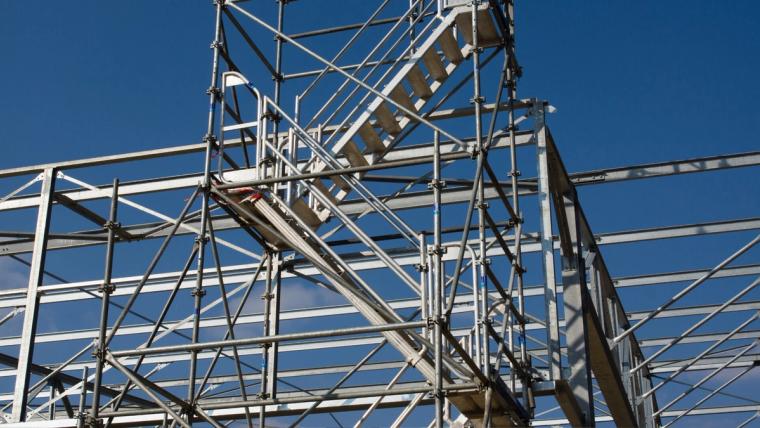
The easiest way to explain the differences between these roles is by looking at the level of independence and responsibility.
A Hulpmonteur primarily assists and gains practical experience. When working on simple scaffolds, they operate under the supervision of someone with a higher qualification level.
A Monteur reaches the first level of genuine independence. They may independently erect and dismantle simple scaffolds in risk class 1, while work on structures in risk classes 2 and 3 must be carried out under appropriate supervision.
An Eerste Monteur has the competencies required to independently erect and dismantle both simple and complex scaffolds. They may also independently approve scaffolds up to and including risk class 2.
A Steigerinspecteur, on the other hand, focuses on scaffold inspection and assessment. This role requires the knowledge needed to identify defects and determine whether a structure is safe.
As the qualification level increases, practical experience, technical knowledge, the ability to work with documentation and responsibility for decisions therefore become increasingly important.
Scaffolding is required wherever workers need safe access to areas at height or parts of a structure that are otherwise difficult to reach. Scaffolders therefore work in many more environments than residential construction alone.
Scaffolding is commonly required:
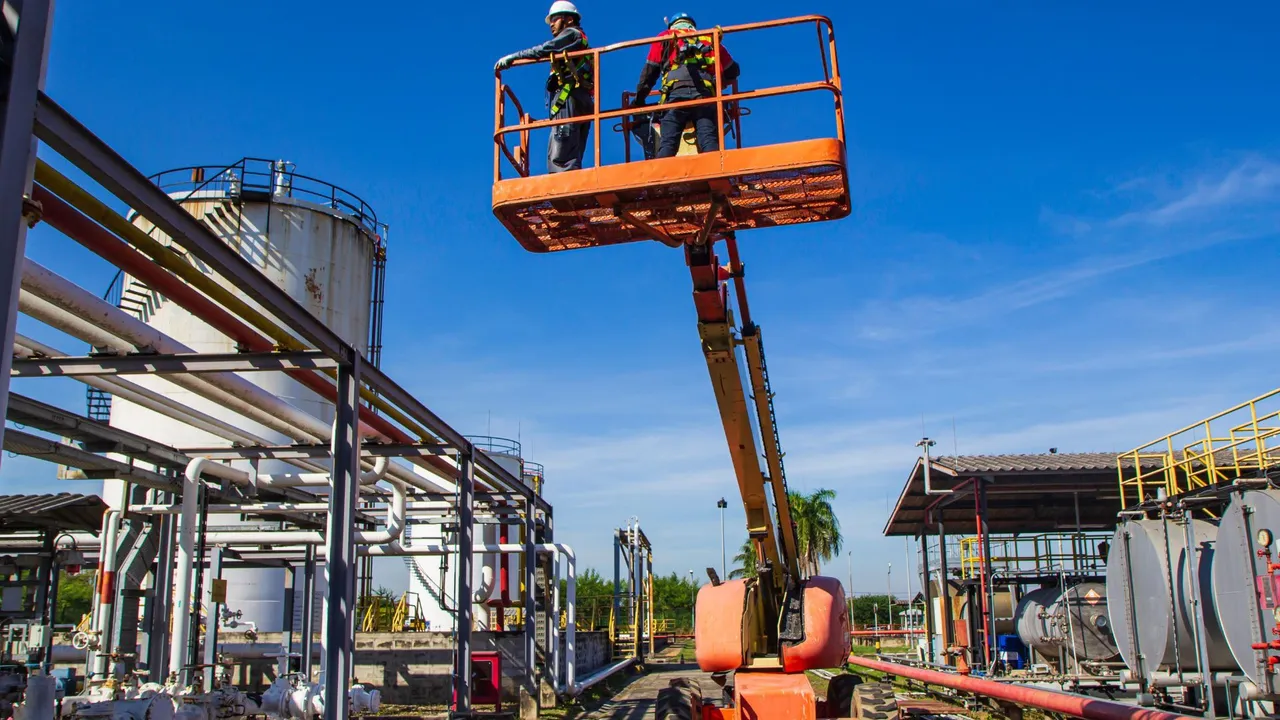
The nature of the job depends on the location. Scaffolding erected along the façade of a residential building may be a relatively standard and repetitive structure, whereas industrial facilities may require scaffolding to be adapted around pipework, tanks, steel structures and restricted spaces.
Professional development in scaffolding therefore involves much more than learning how to assemble individual components. Over time, workers encounter increasingly complex situations and must be able to apply their knowledge under a wide range of working conditions.
Not every employee needs to start preparing immediately for the Eerste Monteur or Steigerinspecteur level. A well-planned career path depends on the worker’s experience and the tasks they are expected to perform.
For a beginner, Hulpmonteur is a natural entry point. The employee learns the trade through practical work while operating under supervision. If they want to erect simple scaffolds independently and continue developing their skills, the next step is Monteur.
Eerste Monteur is suitable for workers who are expected to take on greater responsibility when working with more complex scaffold structures. Steigerinspecteur, in turn, is a career direction for experienced specialists who want to develop their skills in scaffold inspection and assessment.
From an employer’s perspective, this approach makes it easier to match qualifications to actual responsibilities. A team should not consist of employees holding a random collection of certificates. Their competencies should correspond to the work they actually perform on a project and the level of responsibility they are expected to take on.
If your company carries out projects in the Netherlands and you need to prepare employees for scaffolding work, appropriate training can help structure the competencies within your team and prepare workers for the right qualification level.
Bonapi also provides scaffolding training for groups of employees. We can train people who are just starting work in scaffolding as well as employees who want to progress to the next levels of their professional development.
Explore our scaffolding training courses for employees and ask about training options for your entire team. Matching the appropriate training level to employees’ experience and responsibilities helps you build a team in which everyone has a clearly defined scope of competence and professional development does not end with a single certificate.
Follow Bonapi on social media or subscribe to the newsletter if you would like to receive information about training courses, certificates and working in the Netherlands.


Author:

Arina
Dział VCA / SCC / BHV
Author:
Arina
Dział VCA / SCC / BHV
Author:
Arina
Dział VCA / SCC / BHV
Author:
Arina
Dział VCA / SCC / BHV

Author:

Cezary
Dział IPAF / SOG
In our shop you will find trusted workwear, PPE and accessories you need for safe work. We offer products chosen by professionals from construction, logistics and industry.