User Panel


Trainings / Courses
Search

Arina
VCA / SCC / BHV Department
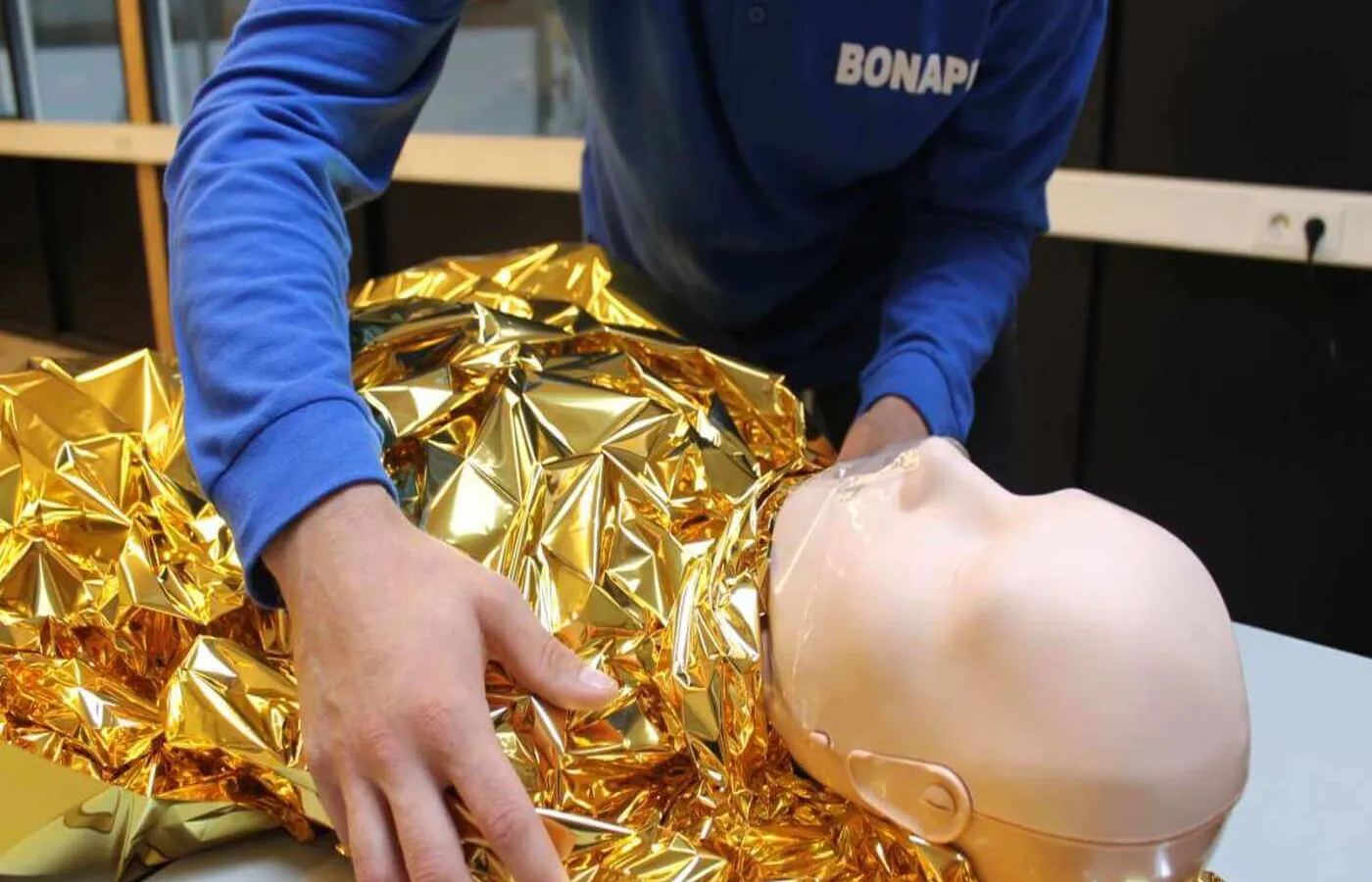
Do you run a business in the Netherlands and employ staff? If so, you must ensure that your company is prepared to respond to emergencies, from workplace accidents to fires and building evacuations. Dutch regulations require employers to appoint appropriately trained employees responsible for emergency response, known as BHV (bedrijfshulpverlening). How many BHV officers does your company need, what are your legal obligations, and how can you organise training for your entire team?
BHV, short for bedrijfshulpverlening, is the Dutch workplace emergency response system. Its purpose is to provide immediate assistance in the event of an accident, sudden medical emergency, fire, or situation requiring the evacuation of employees. Employees appointed to perform these duties are known as BHV officers, or BHV’ers in Dutch.
Unlike professional paramedics or firefighters, BHV officers are usually regular company employees who have completed appropriate training. They carry out their normal duties on a daily basis but take action according to their training and company procedures when an emergency occurs.
The main responsibilities of BHV officers include:
BHV does not replace professional emergency services. Its purpose is to provide an immediate response before an ambulance or fire brigade arrives.
For employers, a properly organised BHV system means faster emergency response, reduced consequences of workplace accidents, and compliance with Dutch occupational health and safety legislation.
The legal basis for organising BHV is the Dutch Working Conditions Act, known as the Arbeidsomstandighedenwet (Arbowet). Article 15 is particularly important because it requires employers to provide workplace emergency assistance.
Under this provision, employers must appoint one or more employees to perform BHV duties. These individuals must have appropriate training, equipment, and the ability to respond effectively.
This obligation applies to businesses employing staff, regardless of whether they operate in construction, logistics, manufacturing, retail, or services.
It also applies to small businesses with only a few employees. A business owner may personally act as a BHV officer but must ensure that suitable cover is available during their absence.
The situation is different for self-employed professionals working without employees. Simply operating as a sole trader under the Dutch ZZP model does not automatically create an obligation to appoint a workplace emergency response officer. However, the conditions in which the work is performed, client requirements, and site-specific safety regulations may still be relevant.
One of the most common questions employers ask is how many BHV officers they need for a particular number of employees.
Dutch law does not establish a fixed ratio of BHV officers to employees. There is no universal rule stating that one BHV officer is sufficient for 10, 25, or 50 employees.
The number of trained personnel must reflect the size of the company, the nature of its operations, workplace hazards, and how work is organised.
The starting point for determining a company’s requirements is the RI&E (Risico-Inventarisatie en -Evaluatie), the mandatory occupational risk assessment required under Article 5 of the Arbowet.
When determining how many BHV officers are needed, employers should consider:
For example, a small office employing eight people will have very different requirements from a logistics warehouse where 80 people work simultaneously, forklifts operate, and trucks are regularly loaded.
A company employing 30 people across three shifts should not automatically assume that training one employee is sufficient. If that person only works mornings, the remaining shifts may be left without adequate emergency response coverage.
BHV requirements vary depending on a company’s activities. Employers should consider both the likelihood of an emergency and the potential consequences of an incident.
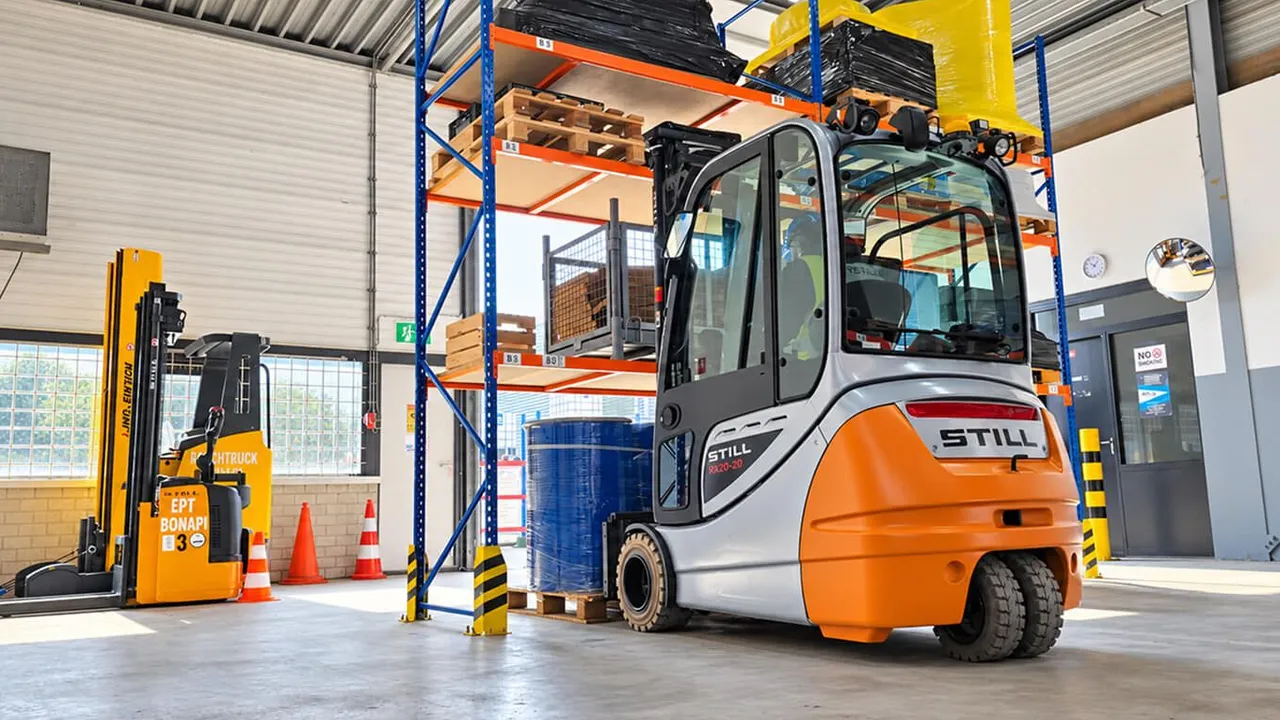
Warehouses present hazards associated with internal transport, forklift operations, high storage racks, and the movement of heavy loads. The large size of some facilities can create additional challenges.
In these environments, it is important to distribute BHV officers across different warehouse areas. If a company operates two or three shifts, emergency response arrangements must also function during evening and night shifts.
Training several employees who all work the same shift does not provide adequate coverage for the entire business.
In manufacturing companies, hazards may arise from machinery, electrical equipment, chemicals, and industrial processes.
Some facilities also face an increased risk of fire or incidents requiring the rapid evacuation of large numbers of people.
BHV arrangements must reflect these specific hazards. Standard first aid training may need to be supplemented with procedures relating to particular workstations and production processes.
Office work is generally less hazardous than working on a construction site or in a factory. However, employees may still experience fainting, cardiac arrest, fires, or situations requiring building evacuation.
Shops, hotels, and service facilities must also consider the presence of customers and guests. These individuals are often unfamiliar with emergency exits and internal company procedures.
When planning BHV coverage, employers must therefore consider not only the number of employees but also the number of other people who may require assistance.
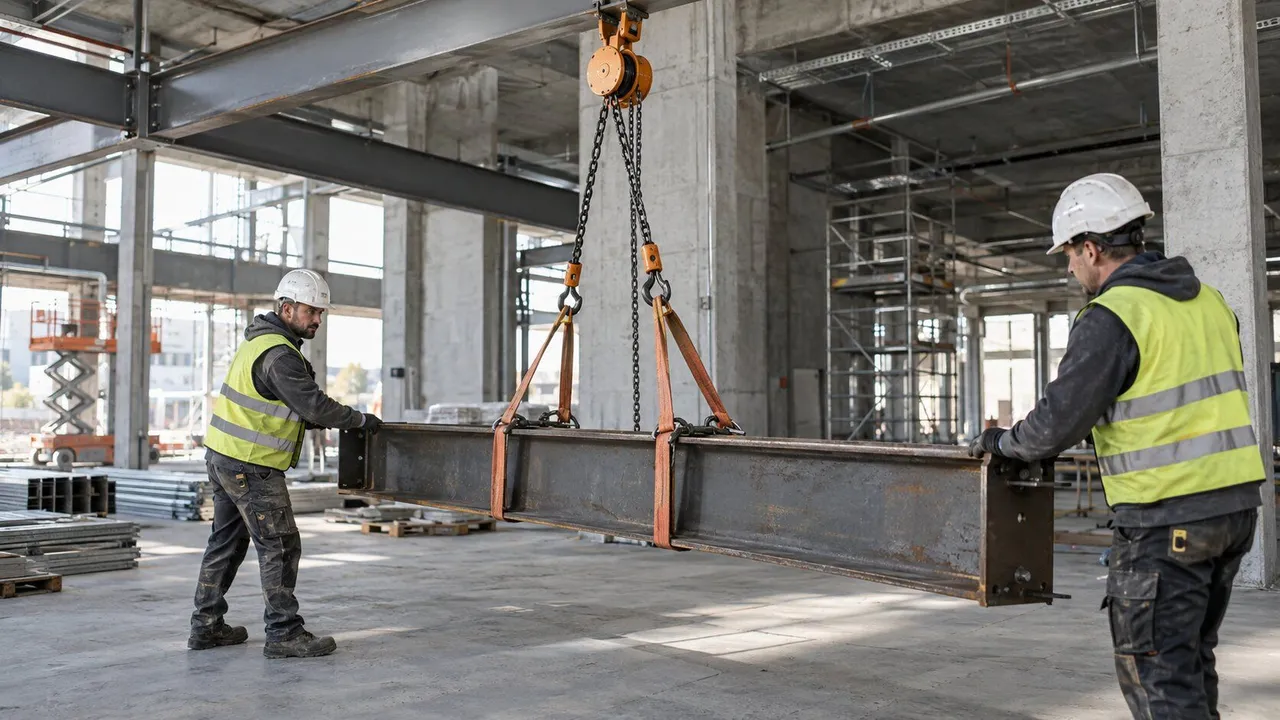
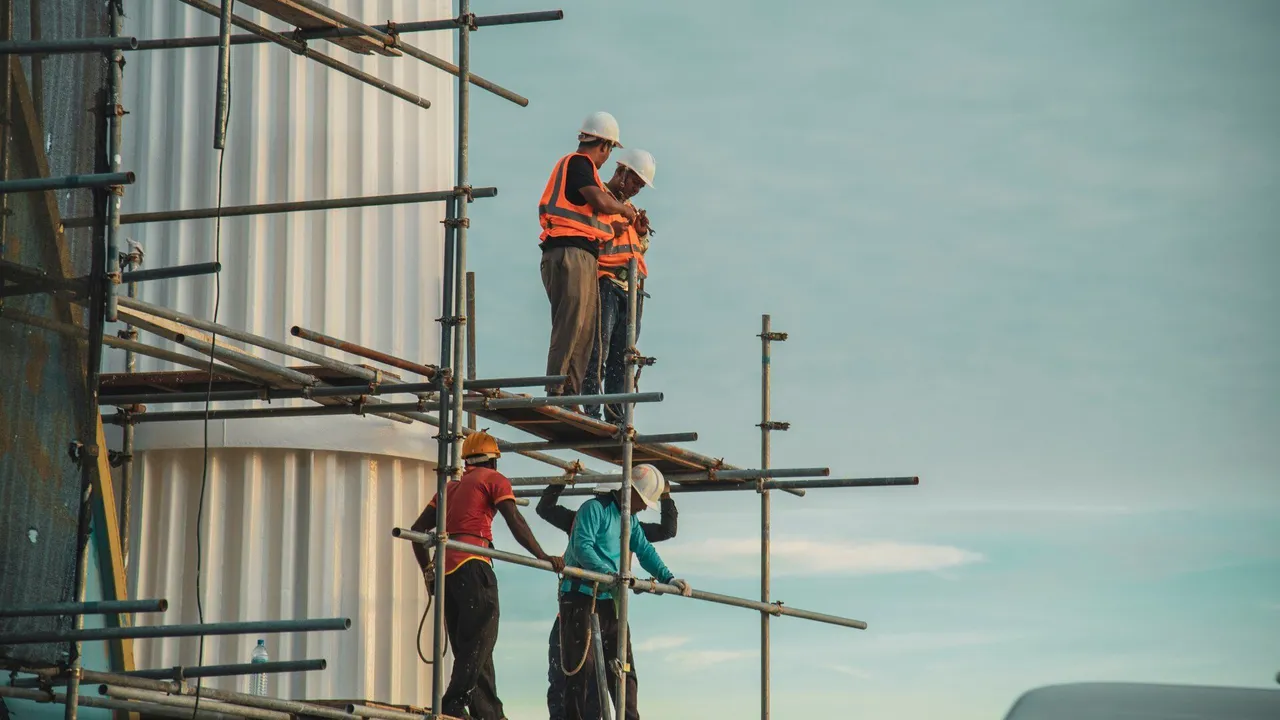
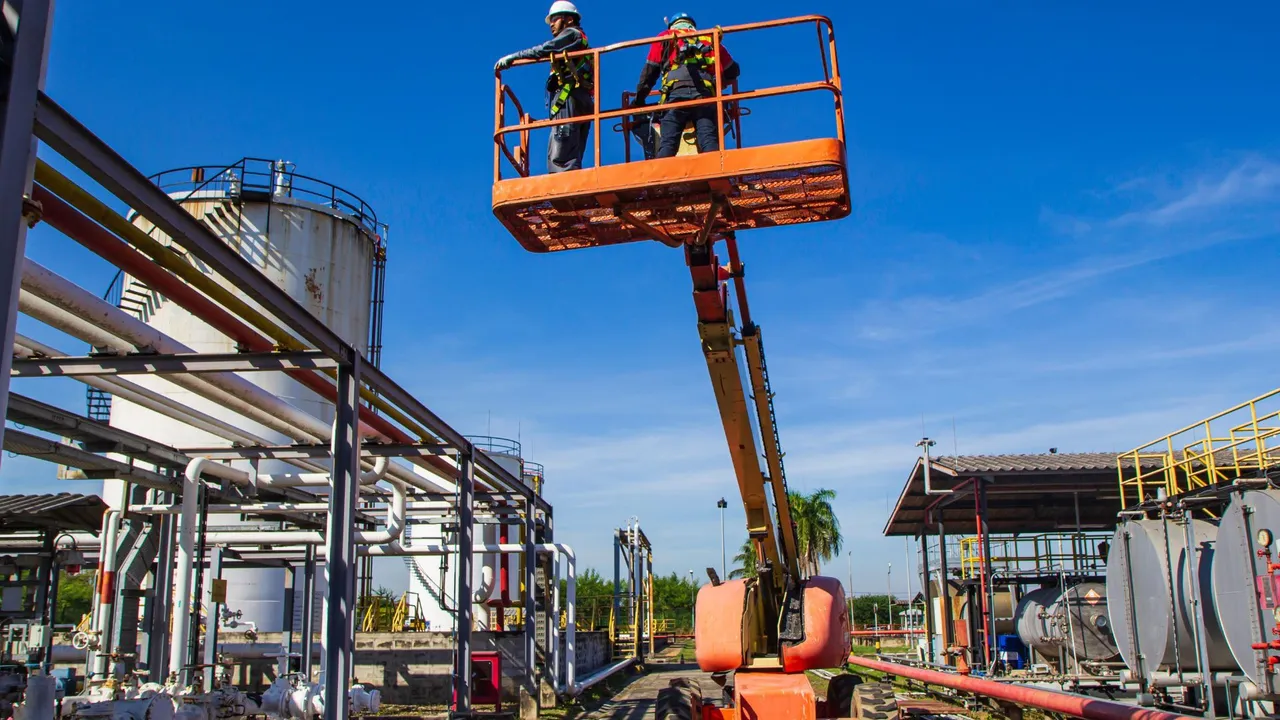
Construction sites present risks including falls from height, mechanical injuries, electric shocks, and accidents involving machinery and equipment.
One particular challenge is the presence of employees from several different companies working on the same construction site. In these circumstances, clear arrangements for cooperation, raising the alarm, and providing emergency assistance are essential.
Subcontractors should not automatically assume that BHV arrangements provided by the main contractor relieve them of their own responsibilities. The division of responsibilities and organisation of shared emergency response arrangements should be clearly defined.
Appointing employees responsible for emergency response is only the first step. Under Article 15(3) of the Arbowet, employers must ensure that BHV officers receive appropriate training and equipment.
Dutch law does not prescribe one identical training programme for every business. Training should reflect the responsibilities of the appointed employees and the hazards present in their workplace.
BHV training covers first aid, emergency procedures, basic fire safety, and evacuation procedures.
Theoretical knowledge alone is not enough to ensure an effective emergency response system. Employees must be able to apply their skills in real-life situations.
Employers should also provide appropriate equipment, communication systems, accessible first aid kits, evacuation signage, and suitable alarm procedures.
Communication is particularly important in companies employing people of different nationalities. BHV officers must understand instructions and be able to communicate clear directions to others.
BHV training prepares employees to carry out their responsibilities as first responders in workplace emergencies.
Bonapi Training Center in the Netherlands offers a one-day BHV course that includes theoretical instruction, practical exercises, and a final examination.
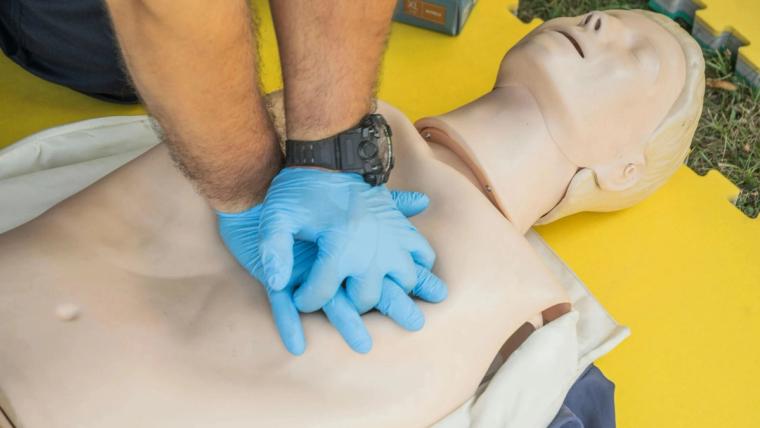
The training programme covers first aid, responding to medical emergencies and life-threatening situations, basic fire safety, using firefighting equipment, and evacuation procedures.
During practical exercises, participants learn how to respond to situations they may encounter at work. They practise assessing hazards, taking appropriate action within the limits of their training, and cooperating with others.
Participants who successfully pass the examination receive a BHV certificate.
For companies employing Polish-speaking workers, an important advantage is the option to complete the training in Polish. Bonapi also provides courses in Dutch and English.
This allows businesses to choose a training language that suits their workforce and reduces the risk of employees misunderstanding essential safety instructions.
If you manage a larger team, the best approach is to begin by assessing your company’s needs.
The first step should be to review your current RI&E and determine how many trained employees are required for each shift and location.
Next, select employees who can take on BHV responsibilities. Ideally, these should be people who are regularly present at the workplace, know the layout of the premises, and can remain calm in difficult situations.
It is also important to arrange backup coverage. If two employees responsible for BHV are on holiday at the same time, the company must still maintain adequate emergency response arrangements.
The next step is to schedule training. For larger groups, employees can be divided into smaller training sessions to avoid disrupting normal business operations.
Companies can also discuss tailored training arrangements with the training provider, taking into account the number of participants, their language skills, and organisational requirements.
Once employees have completed their training, the knowledge they have gained must be put into practice. Staff should understand company alarm procedures, know where emergency equipment is located, be familiar with evacuation routes, and know how to communicate with emergency services.
In the Netherlands, employers must ensure that their BHV officers remain adequately prepared to perform their duties.
The Arbowet does not establish a single statutory expiry date for BHV certificates or a uniform refresher training schedule for all businesses.
However, this does not mean that completing a course once is sufficient for an employee’s entire period of employment.
Regular refresher training is common practice, often once a year, along with at least one annual evacuation drill. During inspections, the Dutch Labour Inspectorate may review records of completed training sessions and emergency drills.
The frequency of refresher training should reflect workplace hazards, procedures, and working conditions. Businesses operating in higher-risk environments may require additional exercises.
Employers should maintain records of trained employees, training dates, and completed drills. This makes it easier to schedule future courses and assess the team’s level of preparedness.
As a general rule, employers are responsible for covering the costs of mandatory training required for employees to perform their duties.
In the Netherlands, employment regulations concerning mandatory training require employers to provide such training free of charge. The time spent attending it is considered working time. Whenever possible, training should take place during normal working hours.
This also applies to preparing employees for BHV responsibilities when the training is necessary for the employer to fulfil its legal obligations.
For businesses, this means accounting for both training expenses and the time employees spend away from their regular duties.
For larger teams, creating an annual training plan is a practical solution. The plan should include both newly appointed BHV officers and employees who need to refresh their skills.
Compliance with Dutch occupational health and safety regulations is monitored by the Nederlandse Arbeidsinspectie, the Dutch Labour Inspectorate.
If a company fails to provide adequate BHV arrangements, it may be ordered to correct the deficiencies. In certain circumstances, administrative fines may also be imposed.
During inspections, the actual effectiveness of emergency response arrangements matters, not simply whether employees hold certificates.
A company may have several employees who have completed BHV training, but if none of them is present during the night shift, its emergency response system may be considered inadequate.
The same applies to workplaces where employees understand the theory but do not know how to activate the alarm, where emergency exits are located, or who is responsible for contacting emergency services.
BHV arrangements should therefore be reviewed regularly, particularly when employee numbers change, premises are renovated, new processes are introduced, or working patterns are modified.
Would you like to ensure that your BHV officers are properly prepared and that your company’s emergency response system is well organised? Bonapi Training Center offers BHV training in the Netherlands for individual employees and businesses that need to train larger groups.
We organise courses in Polish, Dutch, and English. Our training programme combines theoretical knowledge with practical exercises, preparing participants to respond effectively to workplace emergencies.
Explore the BHV courses for businesses and employees offered by Bonapi and contact us to discuss training for your team. We will help you choose the most suitable course format and schedule group training around your company’s operational needs.
Protect your employees and prepare your business for situations where a rapid response can make all the difference.
Follow Bonapi on social media for updates on upcoming training courses and practical advice on workplace safety in the Netherlands.



Author:

Arina
Dział VCA / SCC / BHV

Author:
Arina
Dział VCA / SCC / BHV
Author:
Arina
Dział VCA / SCC / BHV
Author:
Arina
Dział VCA / SCC / BHV


Author:

Cezary
Dział IPAF / SOG
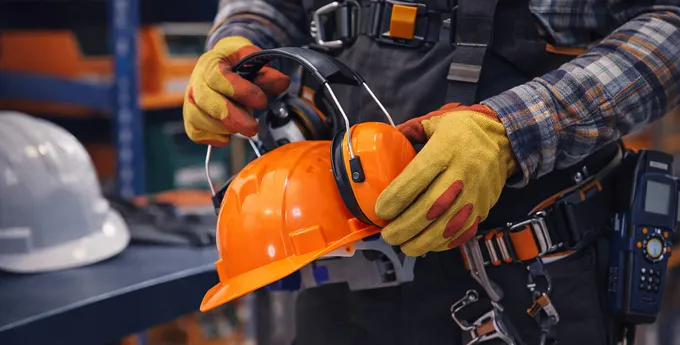
In our shop you will find trusted workwear, PPE and accessories you need for safe work. We offer products chosen by professionals from construction, logistics and industry.