User Panel


Trainings / Courses
Search

Arina
Dział VCA / SCC / BHV

Working in the Dutch petrochemical industry, in heavy industry or on technical installations requires more than experience and a willingness to work. In many places what counts is a confirmed qualification for a specific task, because the risk of error there is far greater than in an ordinary warehouse or building-site setting. That is precisely why the SOG certificate comes up so often.
SOG stands for SSVV Opleidingengids, a system of qualifications and training for people carrying out risky tasks in demanding working environments. In practice it is about confirming that the worker has the knowledge and skills needed to carry out a specific activity safely.
In the petrochemical context, people most often talk about SOG-P qualifications. The letter “P” refers to petrochemicals, but the scope is broader than refineries alone. You will also find SOG certificates in industry, energy, technological processes, on installations, in technical zones and on the premises of plants where heightened safety procedures apply.
This is an important distinction: SOG is not a single general “one-size-fits-all” document. It is a set of qualifications assigned to specific tasks. A person doing gas measurements needs different preparation from a lift operator, and different again from a worker responsible for supervising entry into a confined space.
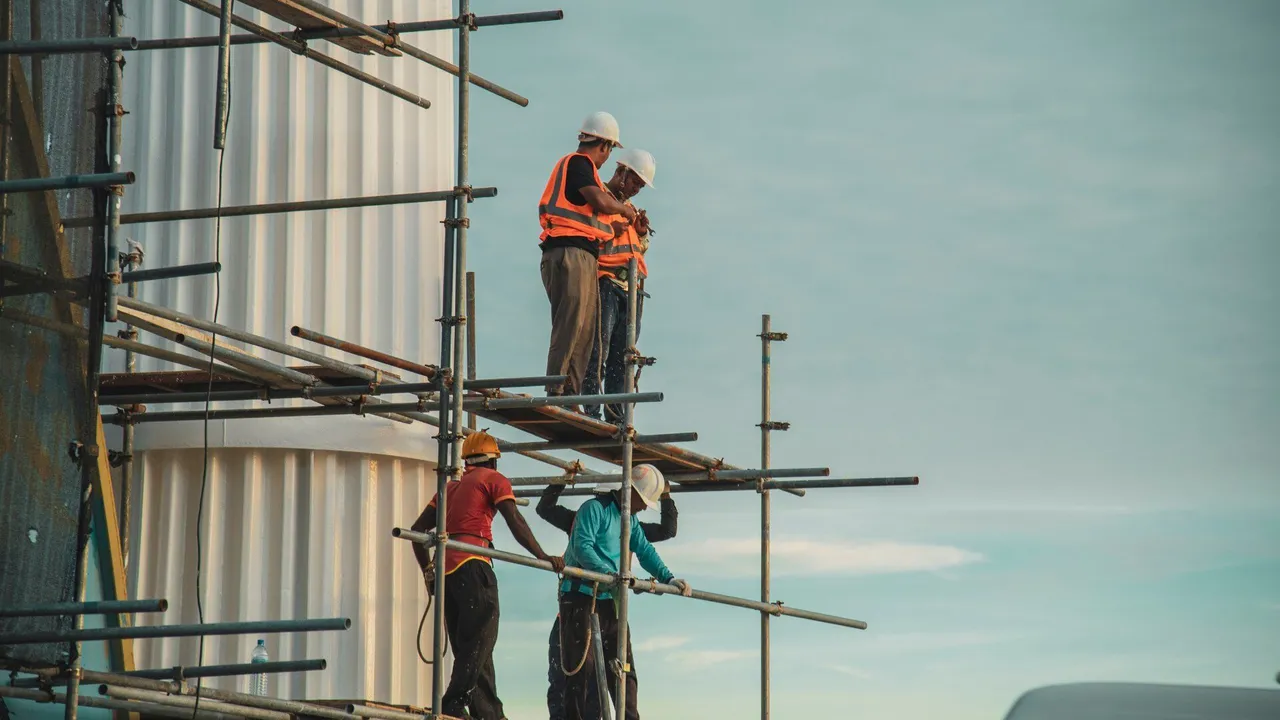
In petrochemicals and industry, much of the work takes place in an environment where a mistake can have serious consequences. This includes pressurised installations, flammable substances, explosion-hazard zones, heavy loads, confined space, mobile machinery and service work carried out during technical shutdowns.
The employer or client wants to be sure that the person allowed to work understands the risk and knows the procedures. The SOG certificate helps to confirm this. It does not replace experience, but it shows that you have a basic qualification for a particular task.
For you it means greater credibility on the job market. In many job offers in the Netherlands you will find requirements such as SOG, VCA, gasmeten, flensmonteur, buitenwacht, hoogwerker or heftruck SOG. If you don't have them, you may be passed over at the recruitment stage, even if you previously worked in a similar sector.
SOG courses are intended mainly for operational workers, that is, people carrying out specific tasks on the premises of a plant, installation, industrial site or technical facility. This applies to directly employed people as well as temporary workers, subcontractors and the self-employed.
SOG is most often useful if you work or want to work as:
If you are only just starting work in the Netherlands, SOG may seem complicated. The simplest way is to think of it as a task-based qualification.

In the SOG-P system, qualifications are grouped by type of work. This helps the employer match the required training to the position. For the worker it is a pointer to the direction worth developing in.
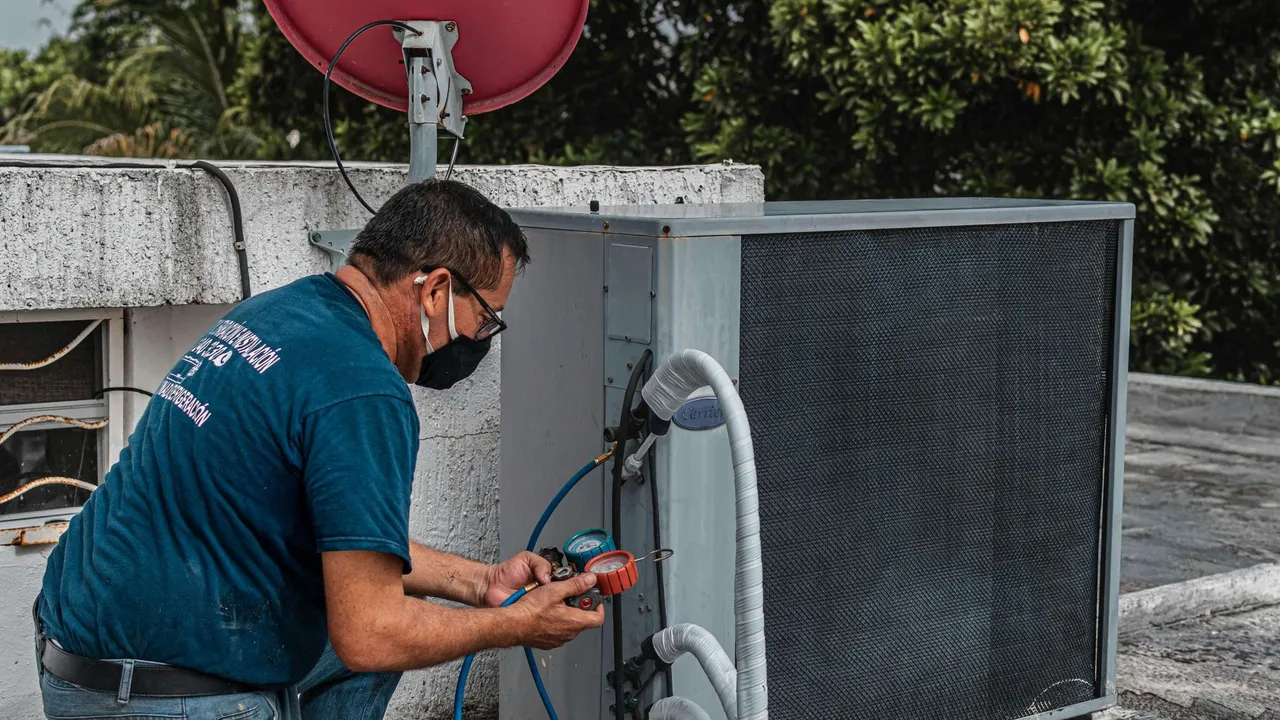
One important group is work on flanges, that is, flange connections in industrial installations. These concern pipelines, valves, equipment and installation components that must be opened, closed or assembled in a controlled way. In such tasks, precision, knowledge of the procedure and awareness that a badly made connection can lead to a leak or a failure all count.
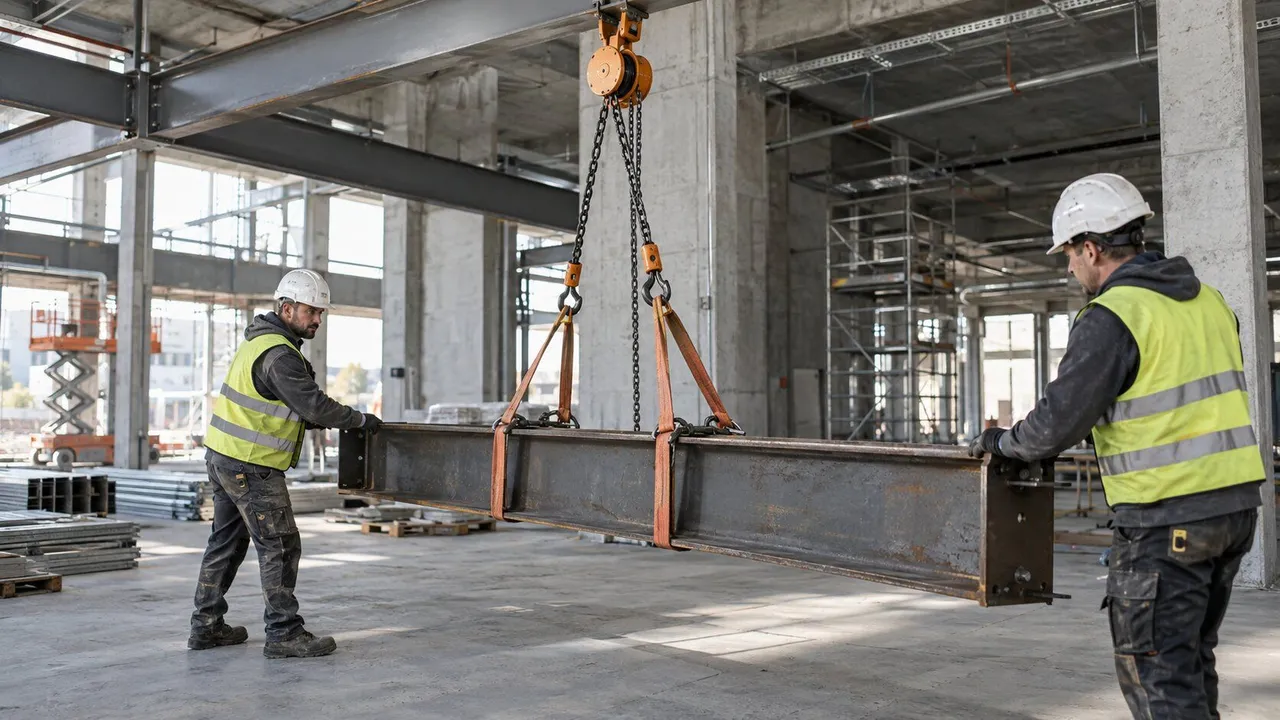
The second group is moving, hooking up and guiding loads. Such work is done by people working with a crane operator or using manual lifting devices. Here what matters is not only attaching the load, but also assessing the risk, communication, choosing the rigging and controlling the work area.
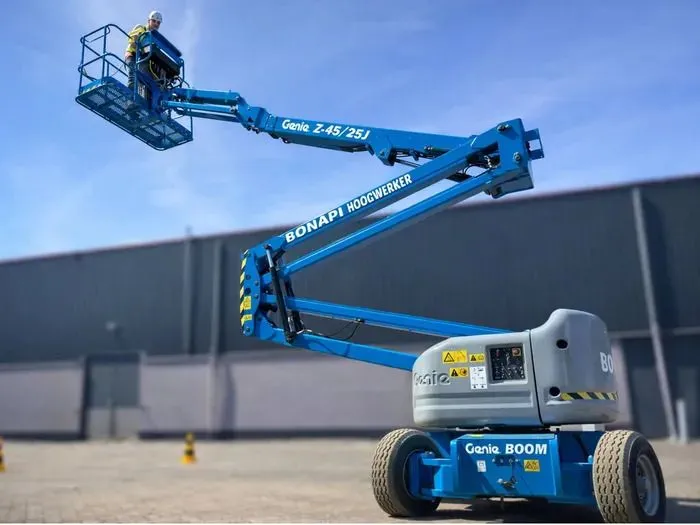
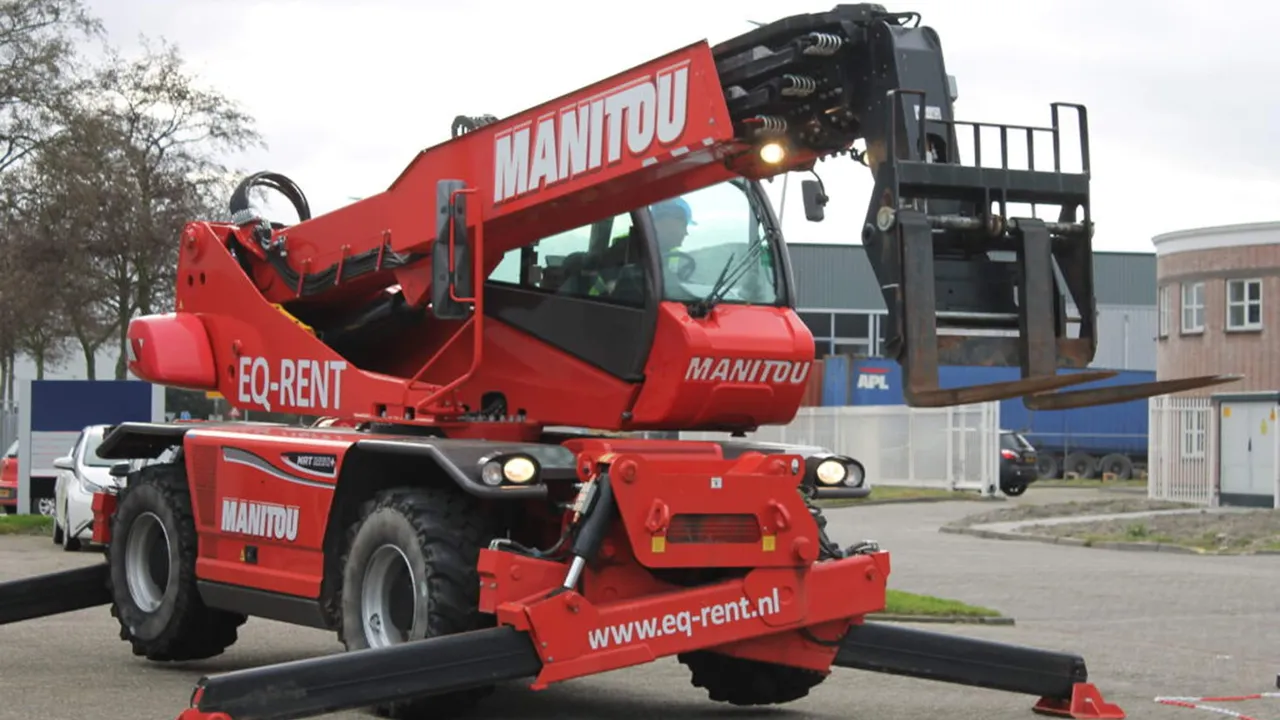
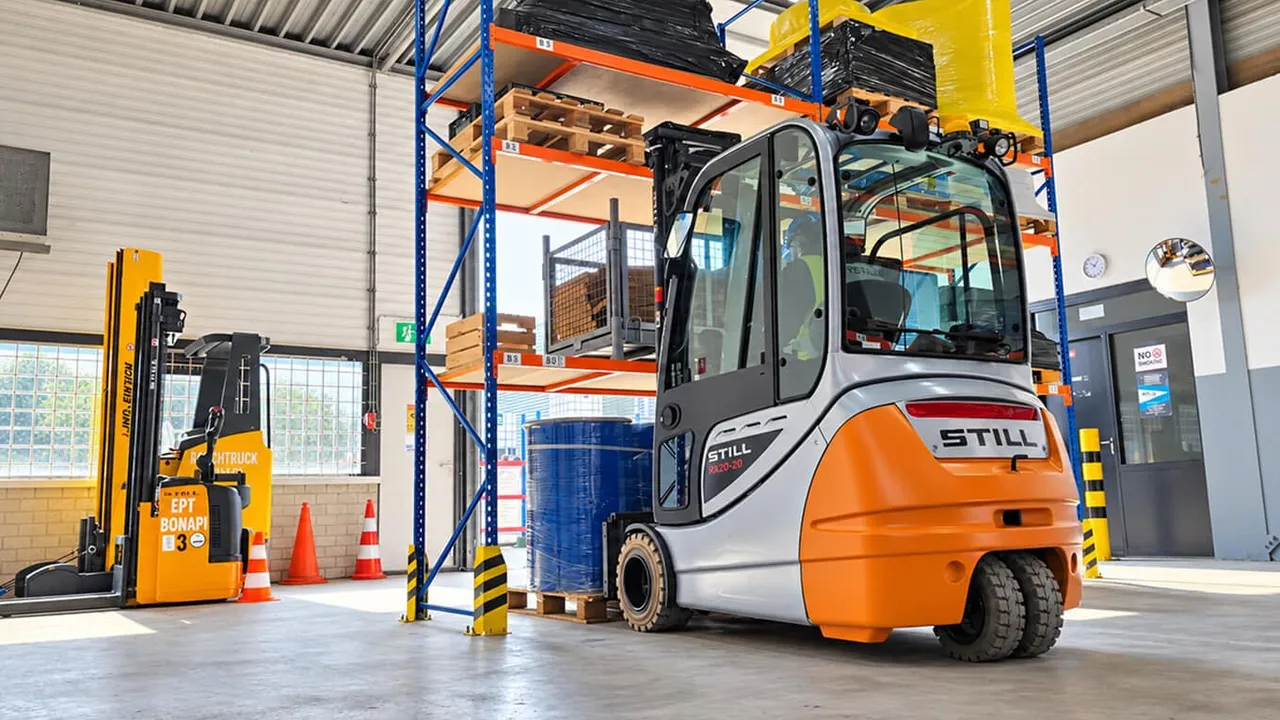
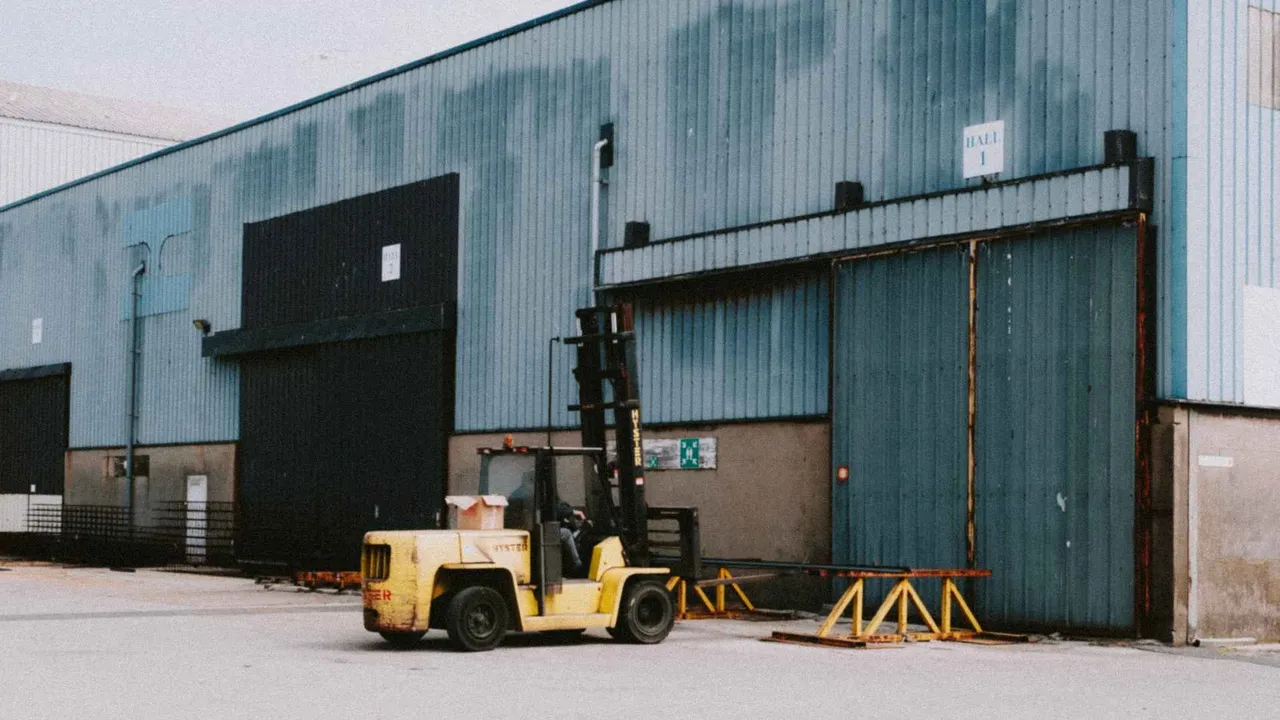
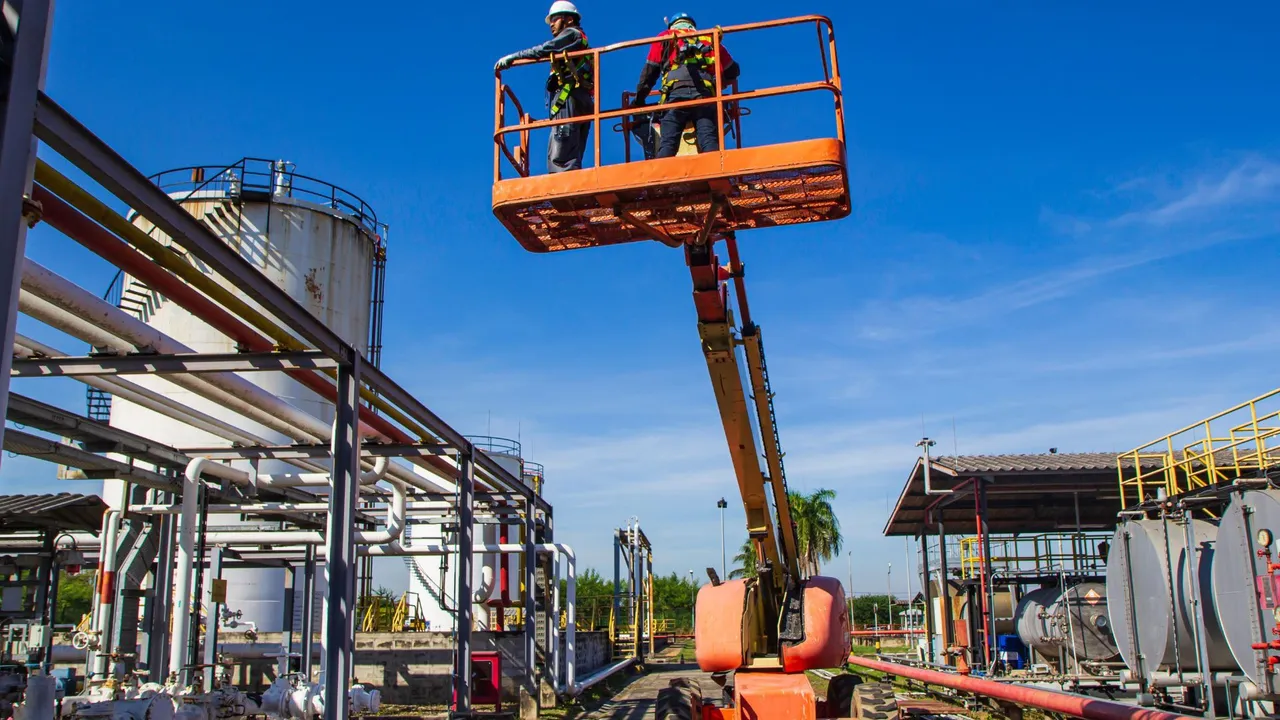
Another group concerns mobile machinery. It includes, among others, lifts, forklifts and telehandlers used in an industrial environment. So it is not about ordinary driving around a warehouse, but about operating equipment in a place where there may be additional procedures, confined space, process installations and several teams working at once.
A separate category is gas measurements and the buitenwacht role. These are highly responsible tasks. The person taking the measurements must understand what they are measuring and how to interpret the result. The buitenwacht supervises workers in a confined space, keeps in contact and reacts when the situation becomes dangerous.
There is also a qualification for working with independent respiratory protection. Such preparation is needed where the air may be dangerous, uncertain or insufficient for normal breathing.
Many people confuse SOG with VCA, because both documents appear in job offers in the Netherlands. The difference, however, is significant.
VCA concerns the general rules of safe work in higher-risk environments. It shows that you know the basic hazards, can recognise risk and understand the safety rules applied on a building site, in industry or in technical work.
SOG goes a step further. It concerns a specific task. If you are to operate a lift, carry out gas measurements or work on flanges, the VCA certificate alone may not be enough. The employer may also require the appropriate SOG qualification.
The simplest way to put it is this: VCA answers the question of whether you understand the general safety rules, while SOG confirms that you are prepared for a specific risky activity. An important thing to remember is that to take the SOG course you need to hold a VCA certificate. Without it you will not be able to take part in the training!
The validity period depends on the specific qualification. Many SOG-P certificates are valid for 5 years. Some qualifications have a shorter validity period, especially those linked to greater responsibility or particular risk, such as gas measurements, buitenwacht or working with independent respiratory protection.
Don't put off renewing your certificate until the last moment. In practice, not having a valid document can mean you won't be allowed onto the plant premises or will be taken off a particular task. For people working through agencies or as a zzp'er (self-employed), valid certificates are especially important, because they often decide a quick assignment to a project.

The most obvious area is petrochemicals: refineries, terminals, chemical plants and process installations. These are environments where safety procedures are very extensive and the requirements for workers are clearly described.
SOG is also useful in energy, the steel industry, maintenance, industrial construction, logistics on plant premises and during shutdowns, that is, technical stoppages. During such projects many companies work at the same time, and tasks have to be done quickly, safely and in line with procedures.
For a foreign worker this means a real chance at better assignments. People with VCA and additional SOG qualifications are more flexible for the employer. They can perform specific tasks, not just help with simple auxiliary work.
Before the course, check that you understand the basic concepts related to workplace safety. If you don't have VCA yet, you must obtain it first, because the VCA certificate is mandatory in order to take the SOG course. Optionally you can also hold the Dutch SCC, which you can obtain through Bonapi as well, even before you leave.
Prepare yourself language-wise too. Even if the training is in your own language, at work you may come across messages in Dutch or English. It is worth knowing the basic words related to work permits, hazards, evacuation, the work zone, protective equipment and communication with the team.
A good step is also to think about your own career path. If you want to work on installations, look into flanges. If you have experience in logistics, a natural direction may be the forklift, telehandler or moving loads. If you are attentive, responsible and good with procedures, the buitenwacht role may be an interesting option for you.
SOG is not a random add-on to your CV. It is a qualification that can open the door to more responsible and better-organised positions in the Netherlands. If you want to work in petrochemicals, industry or on technical projects, the right training lets you show that you take safety seriously.
For many people, SOG is the next step after VCA. First you gain the basics of safe work, and then you develop in a specific direction: flanges, loads, machinery, gasmeten, buitenwacht or adembescherming. Such a path gives you more independence and makes conversations with employers easier.
If you want to work in Dutch petrochemicals or industry, don't wait for a good offer to slip through your fingers. The right qualifications increase your chances of employment and help you get onto projects where safety and preparation are a condition for being allowed to work.
Check out Bonapi's SOG courses and choose the course that suits the position you want to fill in the Netherlands. It is a practical step if you care about more stable work, better projects and greater confidence on the market.
Follow Bonapi's social media profiles or sign up for the newsletter to receive information about new courses, course dates and tips for people working in the Netherlands.


Author:

Arina
Dział VCA / SCC / BHV
Author:
Arina
Dział VCA / SCC / BHV
Author:
Arina
Dział VCA / SCC / BHV


Author:

Cezary
Dział IPAF / SOG
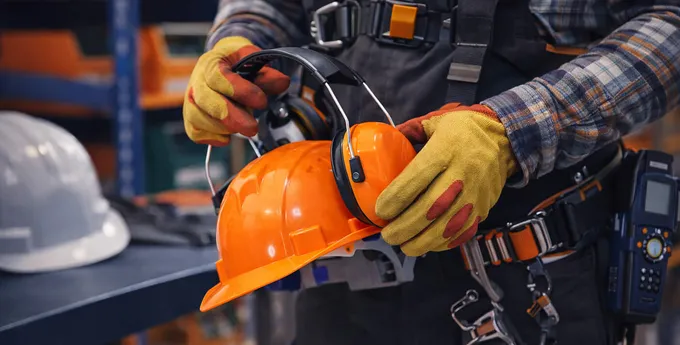
In our shop you will find trusted workwear, PPE and accessories you need for safe work. We offer products chosen by professionals from construction, logistics and industry.